
 USD
Tempered Glass Screen Protector Wholesale Guide: HD vs Privacy vs Matte
2026-09-14
Introduction
As a tempered glass screen protector wholesale supplier, we talk to European and American retailers every day. The most common question: what is the difference between HD, privacy, and matte film — and which one should I stock?
This guide breaks down screen protector types by surface treatment, thickness, oleophobic coating, and drop test performance. You will understand why identical-looking films can differ 5x in price, and how to choose the right inventory for your store.
Quick answer: For most wholesale buyers, HD 0.33mm film is the safest stock item. Privacy and matte films are niche add-ons.
In This Guide
- Screen Protector Types by Surface Treatment
- Why Identical HD Films Differ 5x in Price
- Drop Test and Edge Lifting
- Wholesale Selection Guide
- Three Tips for Wholesale Buyers
- FAQ
1. Screen Protector Types by Surface Treatment
Mainstream tempered glass films fall into three categories by surface treatment: HD film, privacy film, and matte film. Price order: HD < Matte < Privacy.
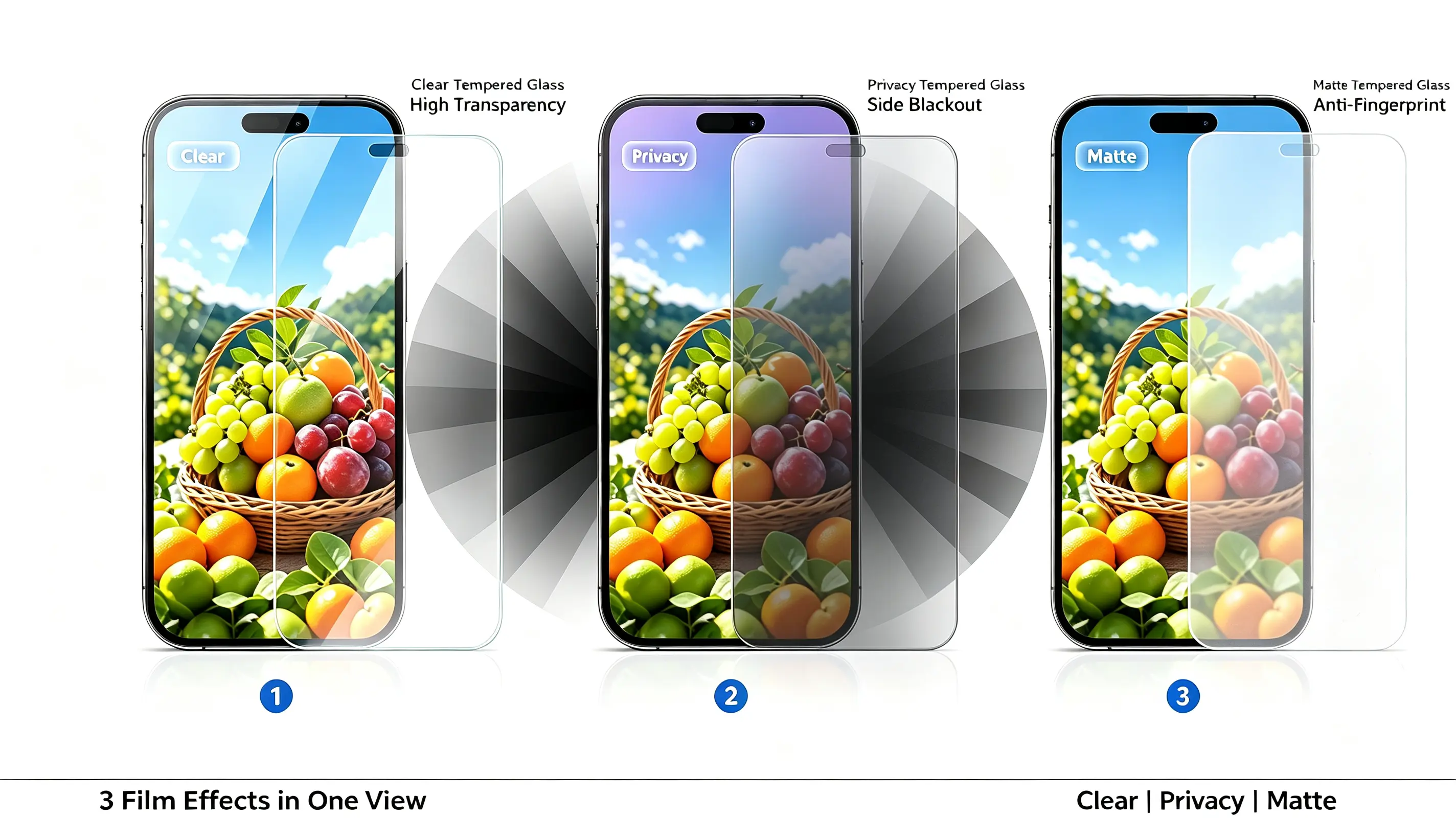
Figure 1: HD film keeps the display clear. Privacy film blocks side angles. Matte film reduces glare but slightly dulls the screen.
HD Film (Clear / High Definition)
HD film is the most basic and highest-volume category. Light transmittance is typically above 90%, so the display looks almost like a bare screen. An oleophobic coating on the surface repels fingerprints.
- Best for: Most everyday users — office, home, video streaming
- Wholesale advice: Your primary stock item. Best customer feedback, lowest return rate
→ Wholesale HD Tempered Glass Screen Protector
Privacy Film (Anti-Spy)
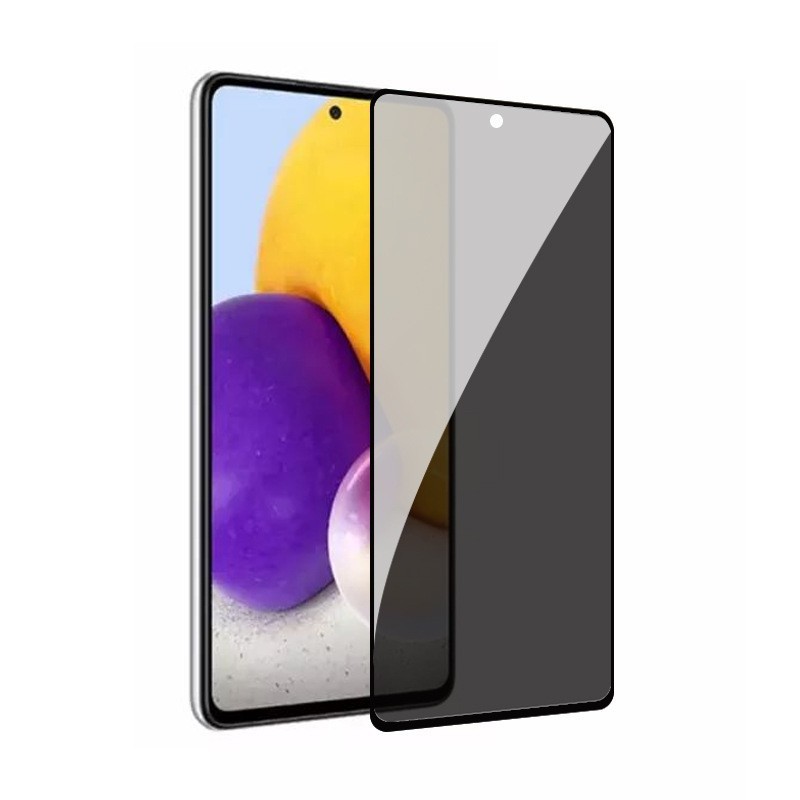
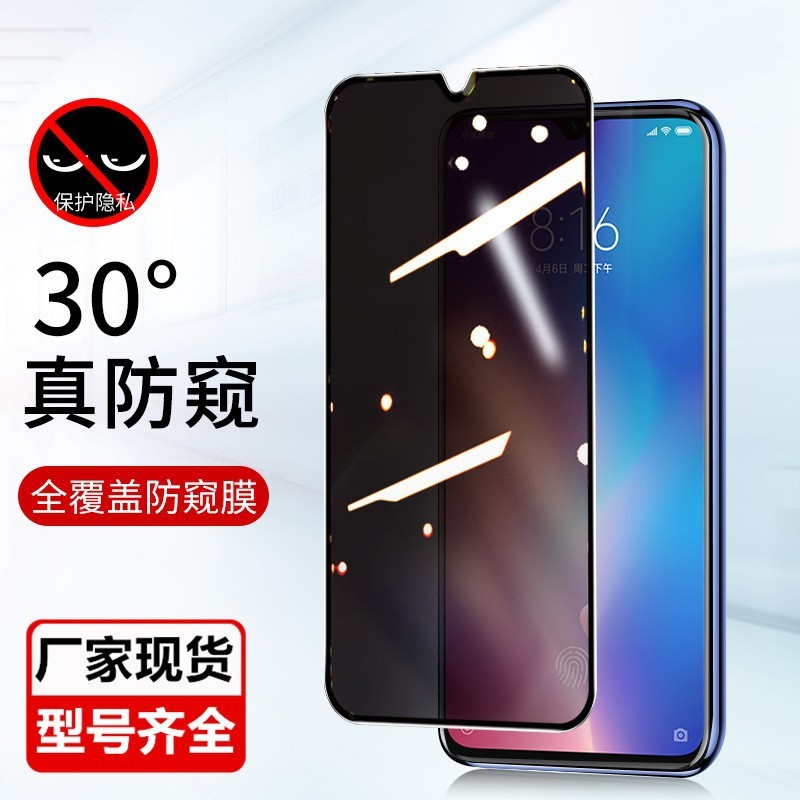
Privacy film uses a micro-prism optical structure. The screen is clear within ±30 degrees front view, but appears black from the side. Suitable for commuters and anyone handling sensitive information in public.
- Trade-off: Viewing angle is locked; front brightness drops about 10–15%
- Wholesale advice: Stock a small amount. Recommend only to customers with a clear privacy need
Matte Film (Anti-Glare)
Matte film has a textured surface that resists fingerprints and glare. Mobile gamers like the smooth glide. The trade-off: light transmittance drops, the screen looks slightly gray, and video looks like it has a thin veil over it.
- Wholesale advice: Narrow audience. Small stock, mainly for mobile gamers
Blue light and green light films are honestly gimmicky. Cheap blue light film is just a yellow coating that dims and yellows the screen, making eyes more tired. Fewer factories make this category now. When a customer asks, saying "not recommended" actually builds trust.
2. Why Identical HD Films Differ 5x in Price
Anyone in wholesale knows: tempered glass films look identical — same adhesive, same packaging, same mold. But performance differs hugely. The price gap comes from three variables: oleophobic coating, glass thickness, and adhesive quality.
Oleophobic Coating: Spray vs Vacuum Electroplating
This is what customers feel most after one month of use.
| Coating Type | Smoothness Duration | Cost |
|---|---|---|
| Spray coating | 1–2 weeks | Low |
| Vacuum electroplating | 3+ months | Higher |
Same "HD film", but vacuum electroplating costs more — and customer repurchase rate is completely different.
Glass Thickness: 0.33mm vs 0.2mm
Mainstream thickness: 0.33mm and 0.2mm. 0.4mm is basically phased out. Below 0.2mm breaks easily.
- 0.33mm — the safe card for European and American wholesale. Enough protection, good feel, low return rate
- 0.2mm — thinner and more touch-sensitive, but costs more
There is an open secret in wholesale: thickness mislabeling. 0.33mm sold as 0.2mm is everywhere — 0.1mm difference is almost impossible to feel by hand. If a supplier says "all our films are 0.2mm", ask for a sample first.
Adhesive Quality: The Moment of Installation
Tempered glass does not stick by static. There is an AB adhesive layer on the back. Adhesive quality determines two things: bubble release and light transmittance.
Good adhesive self-releases bubbles. Bad adhesive leaves bubbles everywhere. Good adhesive has high light transmittance. Bad adhesive looks foggy and yellow, like a veil over the screen. Simple test: apply one film, see if bubbles release on their own and how much white edge remains. If adhesive is bad, glass quality does not matter.
3. Drop Test and Edge Lifting
These two metrics are what repeat wholesale buyers look at — and what suppliers most often overlook. Whether a film keeps customers long-term often depends on these two points.
Drop Test: ASTM D256 Drop Ball Test
The core value of a tempered glass film is not scratch resistance — it is drop protection. Any PET film can resist scratches. But when the phone drops, whether the screen survives is the real point of tempered glass.
The standard drop test reference is ASTM D256. Test method: 1kg steel ball dropped from 1 meter height onto a film-covered phone screen. If the screen survives, the film passes.
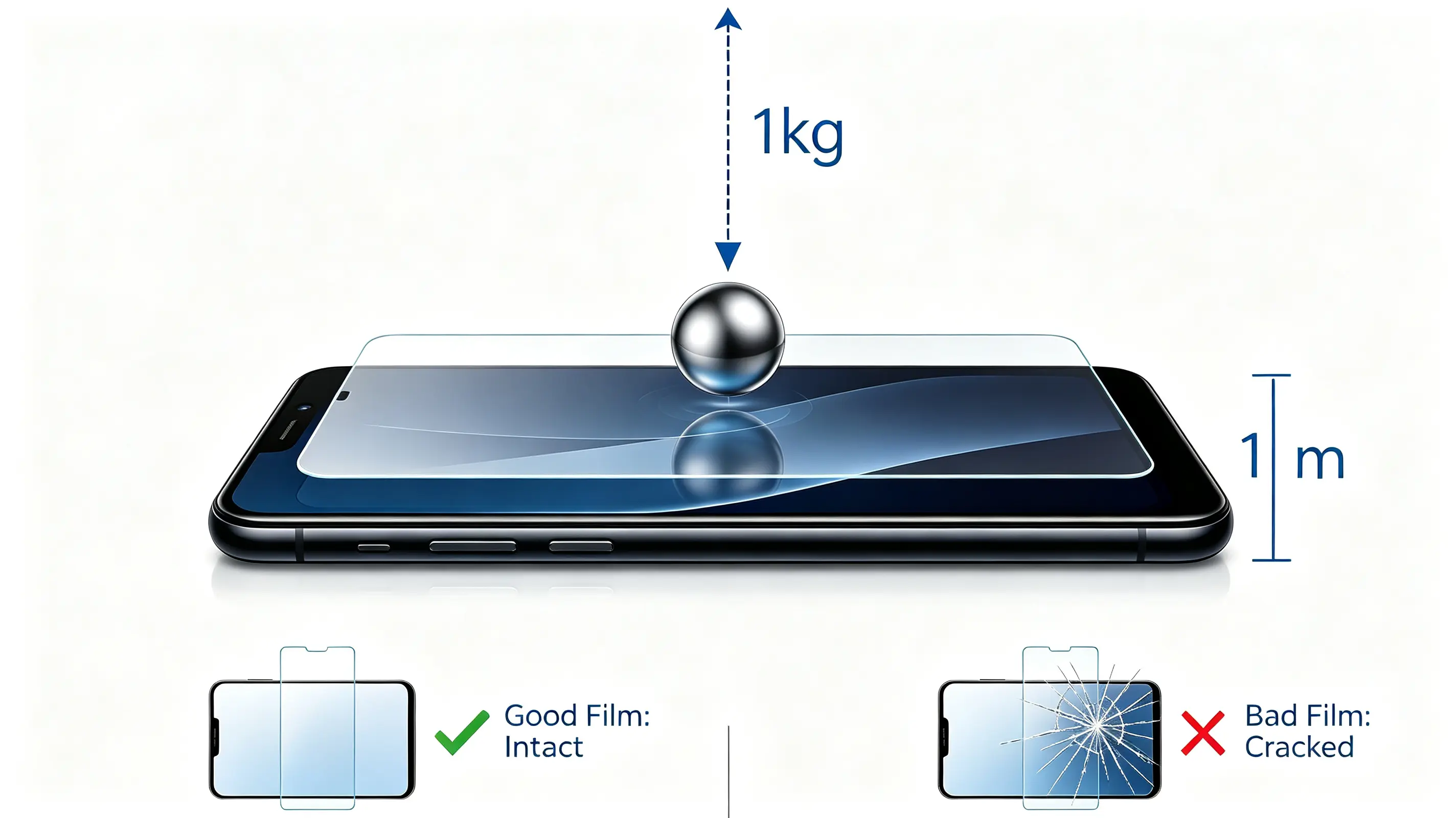
Figure 2: ASTM D256 drop ball test — 1kg steel ball from 1 meter. A quality film cracks while the screen stays intact.
Wholesale tip: Ask your supplier for a drop test video. If the film cracks but the screen stays intact, protection works. If both crack, the film is just decoration.
Why do many cheap films fail? Because the glass raw material and tempering process are poor. Cheap films use ordinary glass with insufficient tempering time. Surface hardness looks fine, but impact resistance is weak. Daily scratch protection works — until a drop, when both film and screen crack.
→ Drop-Tested Tempered Glass Screen Protector
Edge Lifting: Halo Effect vs Edge Lifting
Two of the most common customer complaints: "white edge around the screen" and "edge lifted after a few weeks". These are often confused, but the causes are different.
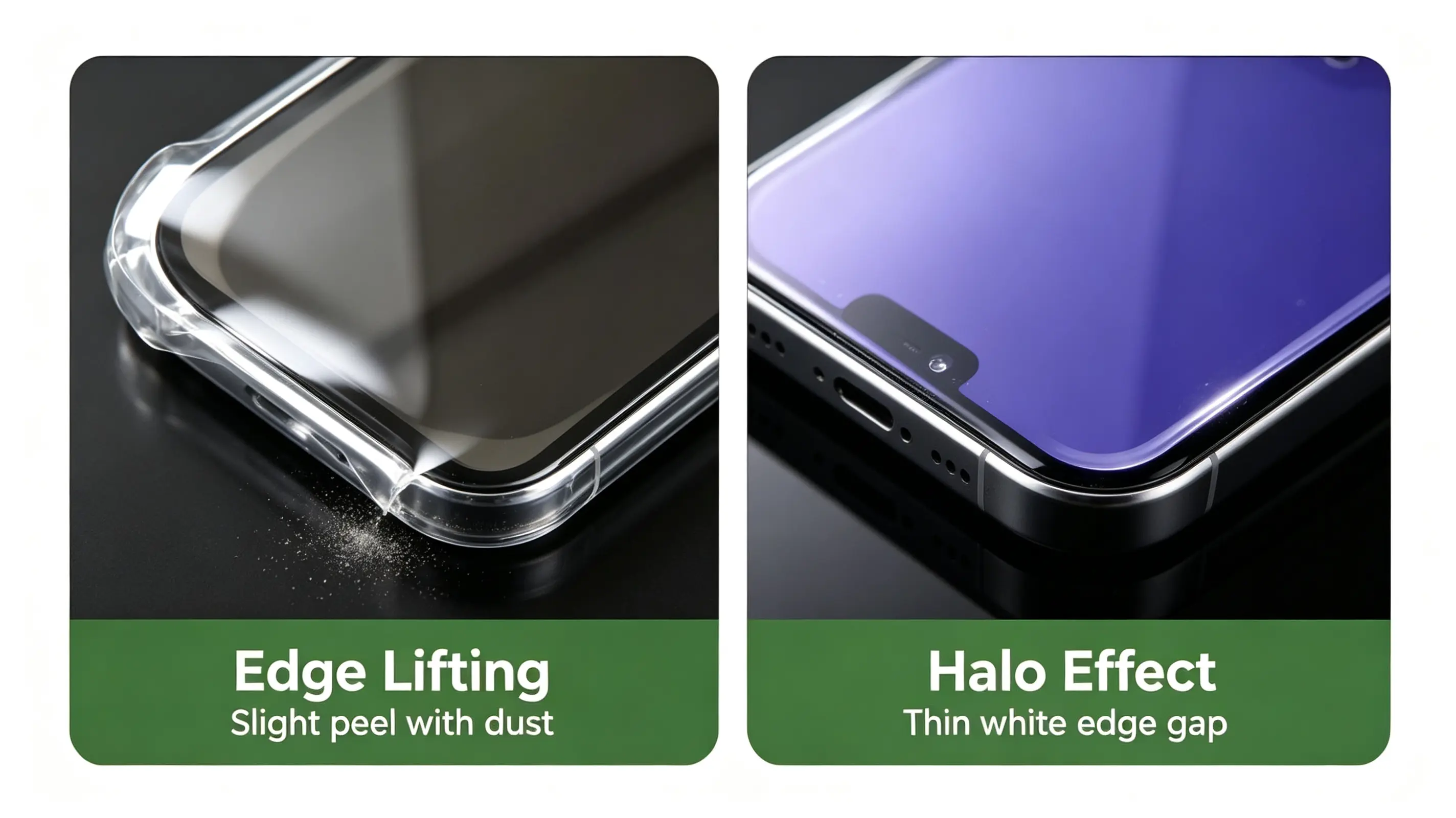
Figure 3: Halo effect appears right after installation. Edge lifting develops over time from weak adhesive or case pressure.
| Issue | When It Appears | Main Cause |
|---|---|---|
| Halo Effect | Right after installation | Curved screen edge, flat film |
| Edge Lifting | After weeks of use | Weak adhesive, case pressure |
How to judge if a film will lift: Look at two things — adhesive thickness and edge treatment. Good films have even adhesive and 2.5D curved edges that transition smoothly to the screen. Cheap films have right-angle edges that lift when pressed by a case.
Wholesale advice: Edge lifting is one of the top return reasons. Before bulk order, apply one film yourself and use it for a week. Check if the edge lifts. This one-week test saves a lot of after-sales trouble.
4. Wholesale Selection Guide
→ Browse All Wholesale Screen Protectors
| Customer Type | Recommended Film | Why |
|---|---|---|
| Everyday customers | HD 0.33mm | Clear, smooth, enough protection |
| Mobile gamers | Matte or ultra-thin HD | Resists fingerprints, more responsive touch |
| Commuters | Privacy film | Blocks side viewing in public |
Sales line for HD film: "It looks like there is no film on the screen. Fingerprints wipe right off. Perfect for daily use."
Do not recommend privacy film to mobile gamers — side view is black and affects gameplay. For commuters, explain upfront: front brightness drops slightly, viewing angle narrows.
5. Three Tips for Wholesale Buyers
- Flexible MOQ, mixed batch supported. Different models can be combined in one order. Small stores do not need to overstock.
- Private label and custom packaging supported. Packaging and logo can be customized for your brand — suitable for brand stores and chain retailers.
- Sample order starts at $300, then bulk. Confirm drop test and oleophobic coating quality before placing a bulk order.
Want to know more about our company, warehouse and shipping capabilities? Learn more about MyTopParts.
6. FAQ
Q1: What is the MOQ for wholesale tempered glass screen protectors?
We support small mixed batches. Different models can be combined. Exact quantity depends on the model.
Q2: Can I customize packaging and logo?
Yes. Private label and custom packaging are supported — suitable for brand stores and chain retailers.
Q3: How do I verify quality before bulk order?
Request a sample first. Test three things: drop test performance, oleophobic coating (electroplating vs spray), and whether the edge lifts after installation.
Q4: What is the wholesale price difference between 0.33mm and 0.2mm?
0.2mm is thinner and more touch-sensitive, with higher cost. Watch for thickness mislabeling — request a sample first.
Q5: Which countries do you ship to? What about shipping cost?
We ship worldwide, with stable logistics channels to major European and American countries. Sample orders start at $300. Shipping cost depends on destination and weight — contact us for a quote.
Q6: How do I judge oleophobic coating quality?
Rub the surface a few times. Good film wipes fingerprints clean. Bad film smears. Or ask the supplier: spray or vacuum electroplating?
7. Summary
The core logic of tempered glass wholesale is simple: do not look at price alone — look at process.
- Surface treatment determines function
- Oleophobic coating determines feel and lifespan
- Thickness determines touch experience
- Adhesive determines fit
- Drop test determines protection
- Edge lifting control determines return rate
Ask these questions clearly, and you will understand why identical-looking films differ 5x to 10x in price.
Ready to stock quality tempered glass? Browse our wholesale collection, Learn more about MyTopParts, or contact us for a sample order.
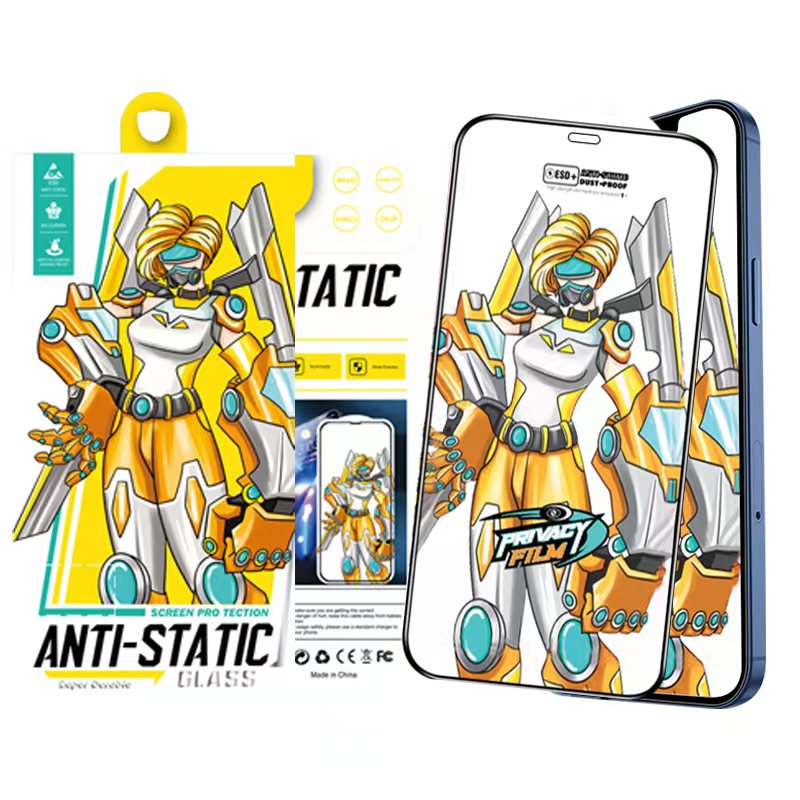
Tempered Glass HD Tempered Glass for iPhone 17/12/16
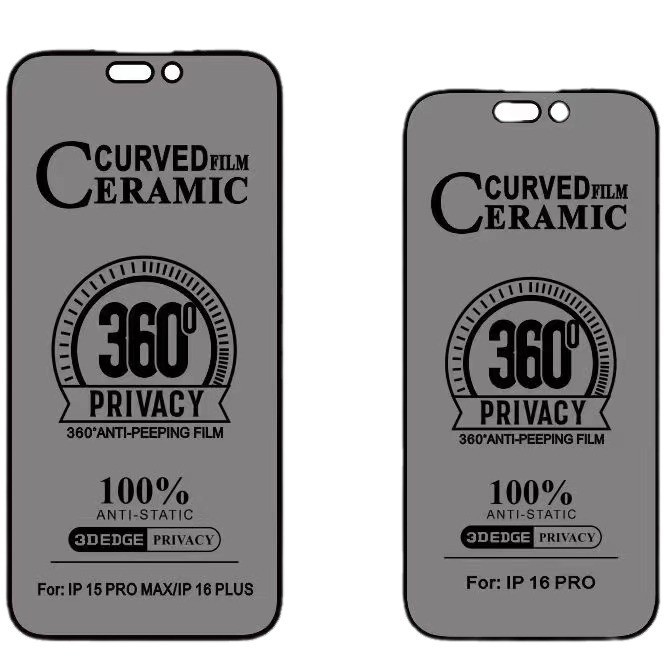
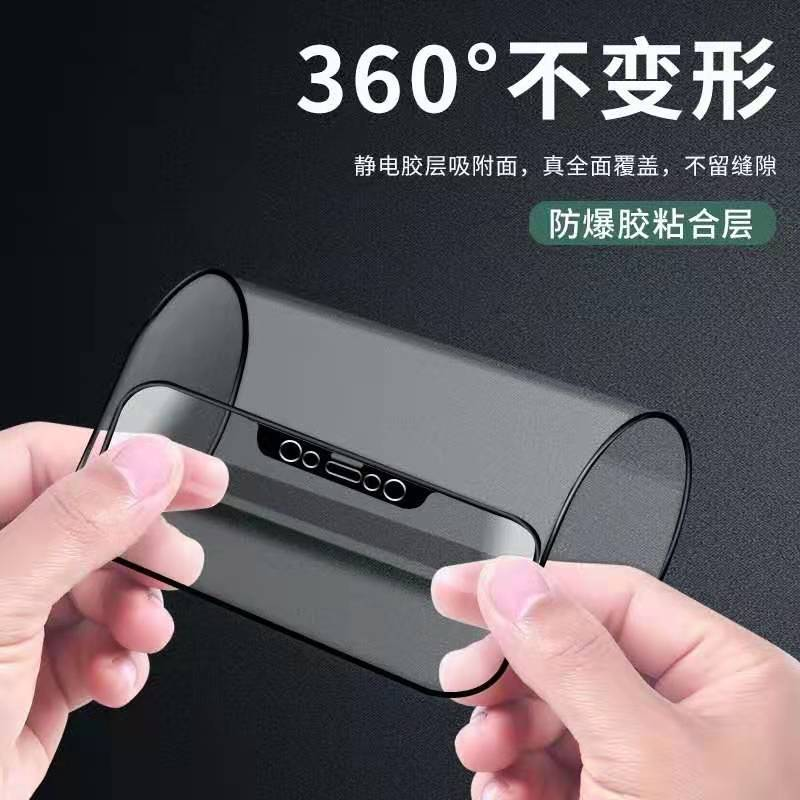
iPhone 15 Pro Max/17/16 Full Coverage Matte Tempered Glass
iPhone 17/16/15 Tempered Glass with HD Tempered Glass
HD Metal Frame iPhone 17/11/16 Tempered Glass | Bulk Supply
HD Full Coverage Tempered Glass for iPhone 17/13/16
iPhone 17/16/15 Full Coverage HD Tempered Glass
Full Coverage Privacy Tempered Glass for iPhone 13/17 Pro Max/17 - OEM & ODM
iPhone 17/16/15 Privacy Metal Frame Tempered Glass
HD Tempered Glass Tempered Glass for iPhone 17/16/15