
 USD
Home
/
Galaxy Note Series Screens
Galaxy Note Series Screens
Galaxy Note Series Screens at factory-direct pricing for repair shops, refurbishers and parts distributors.
Stocked for the line from Galaxy Note 10 through Galaxy Note 20 Ultra. Each new launch brings new panels, graded openly rather than implied.
- Flex cable factory code recorded against the batch
- Batch photos sent before dispatch
- Retained reference sample kept against every reorder
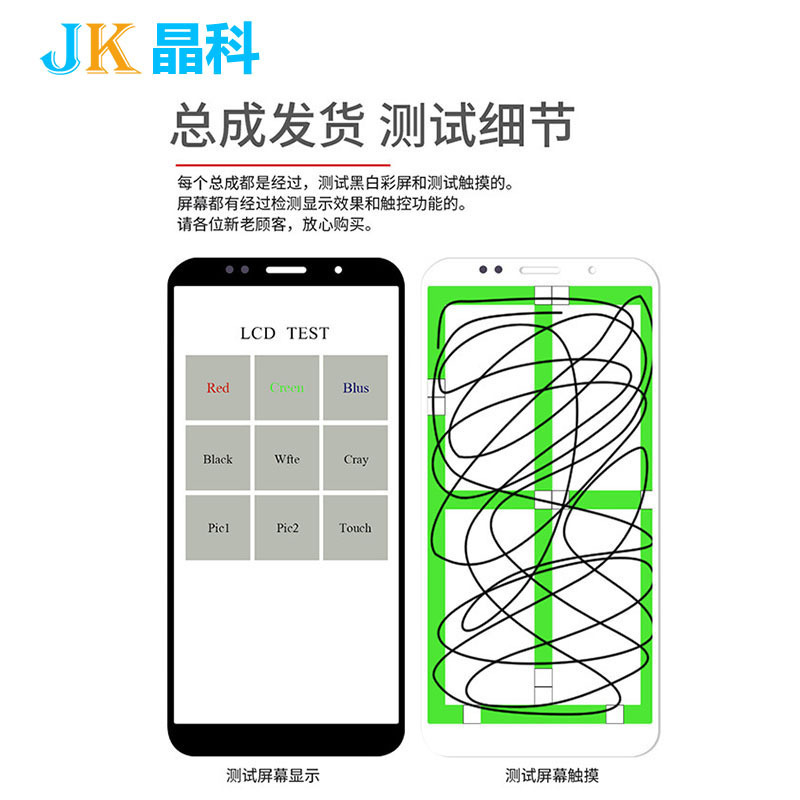
- Digitizer ghost-touch tested on a five-point sample
- True Tone behaviour checked where the grade supports it
37 Products
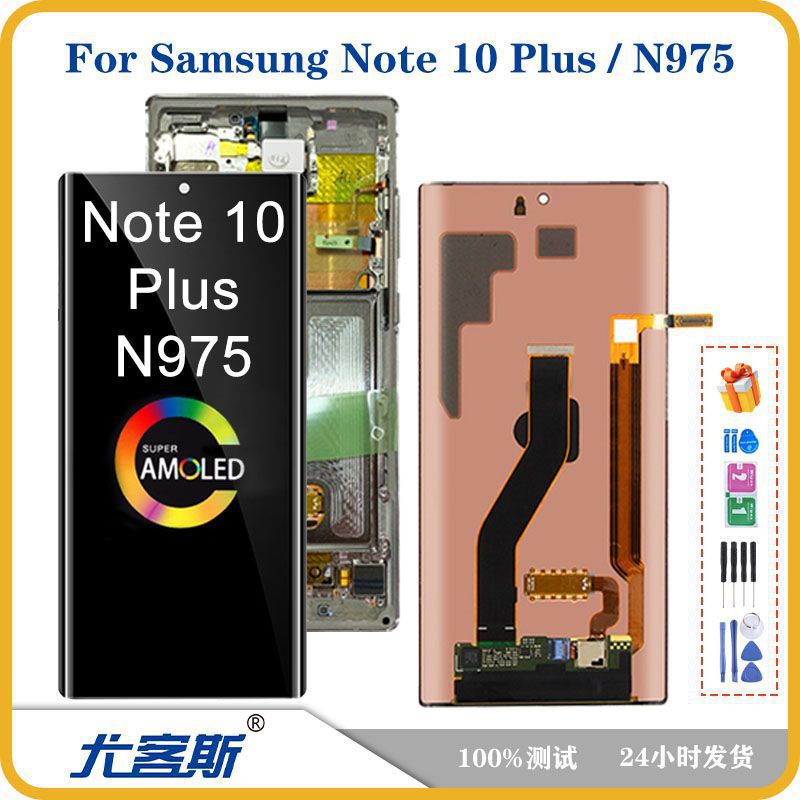
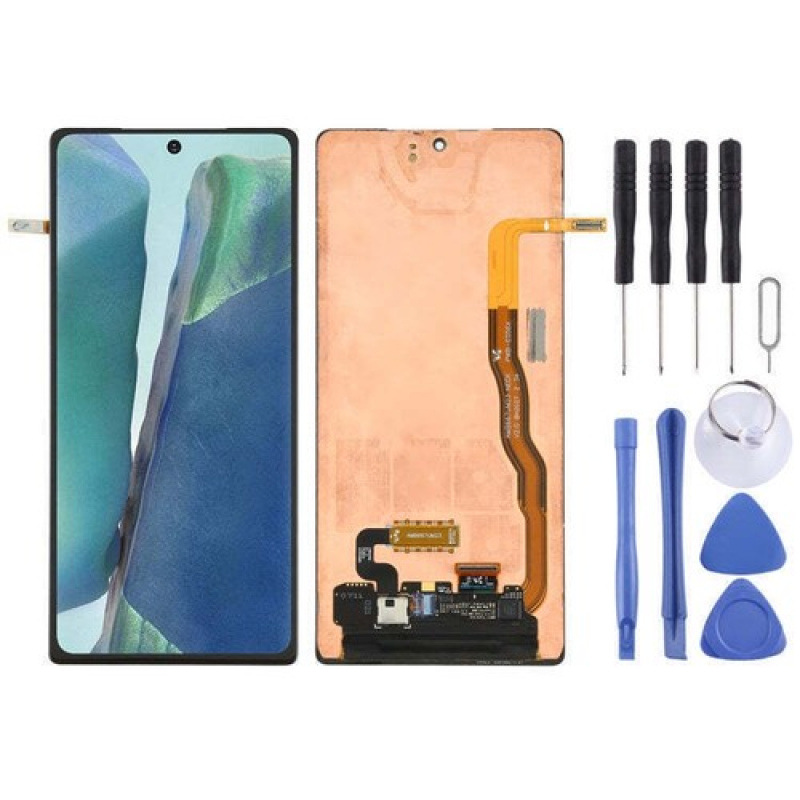
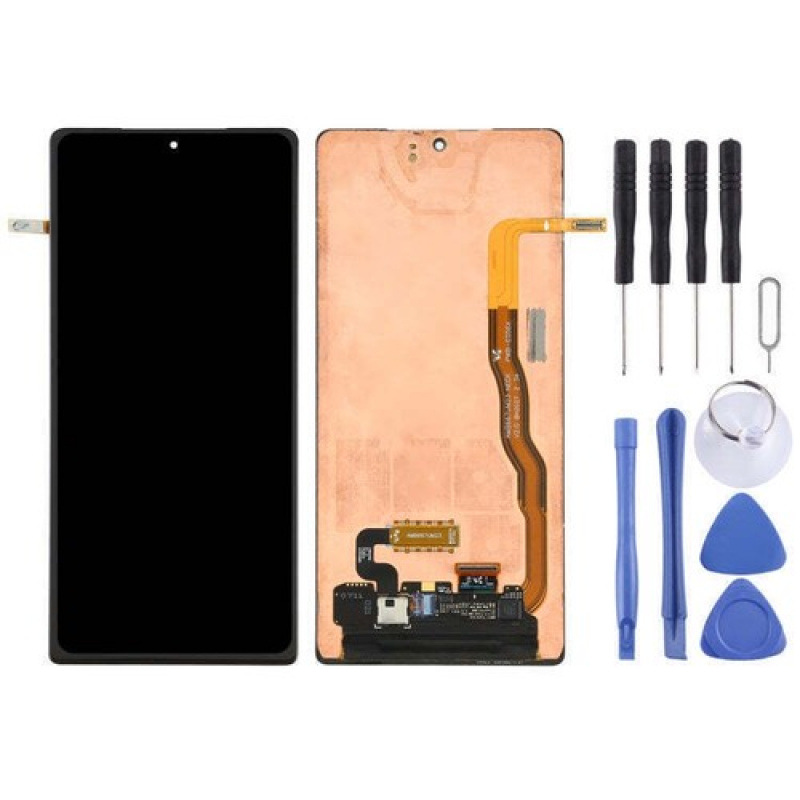
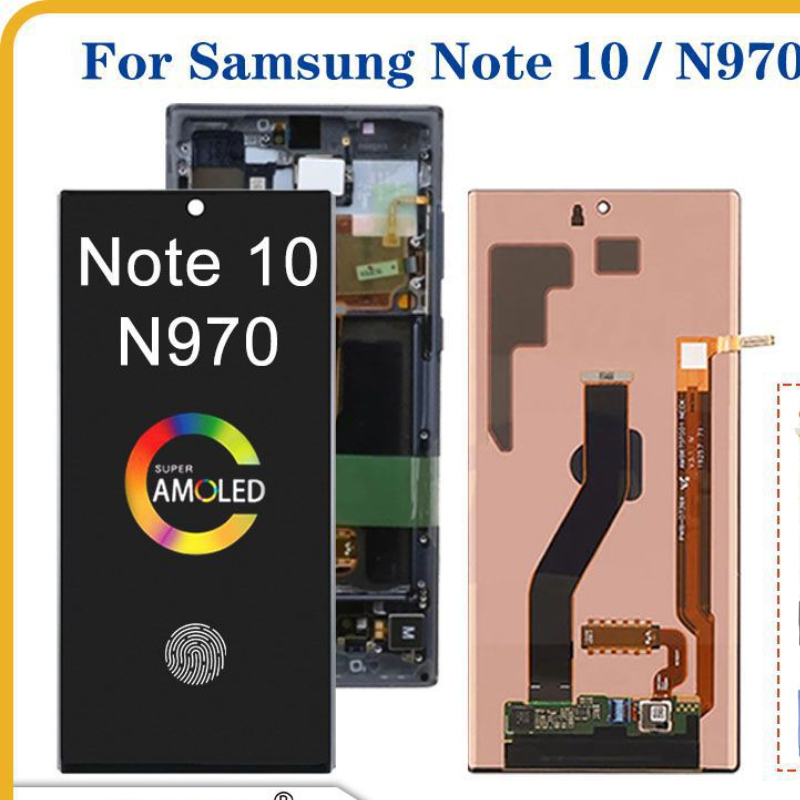
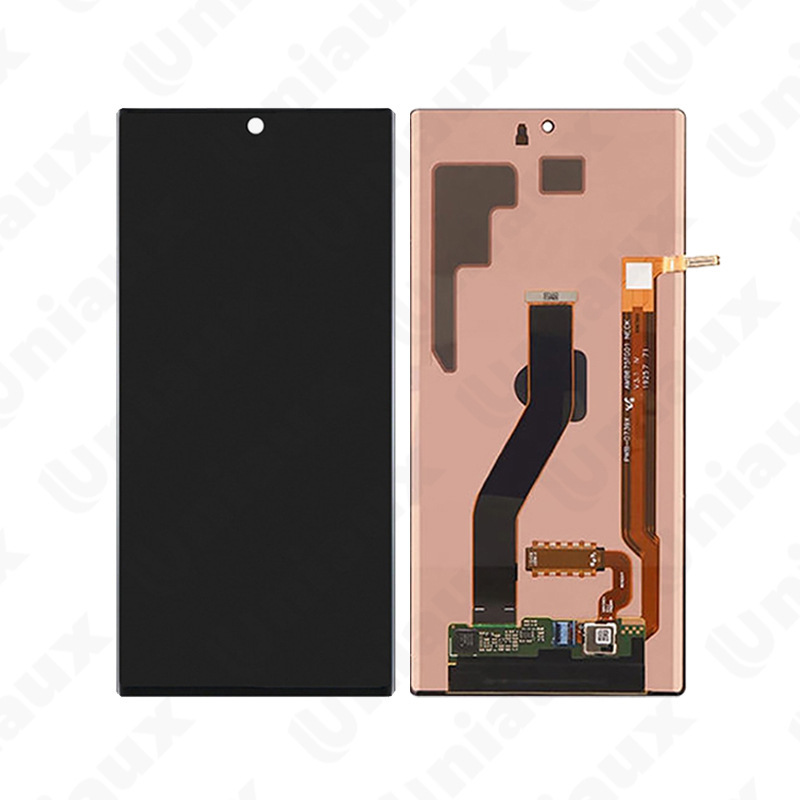
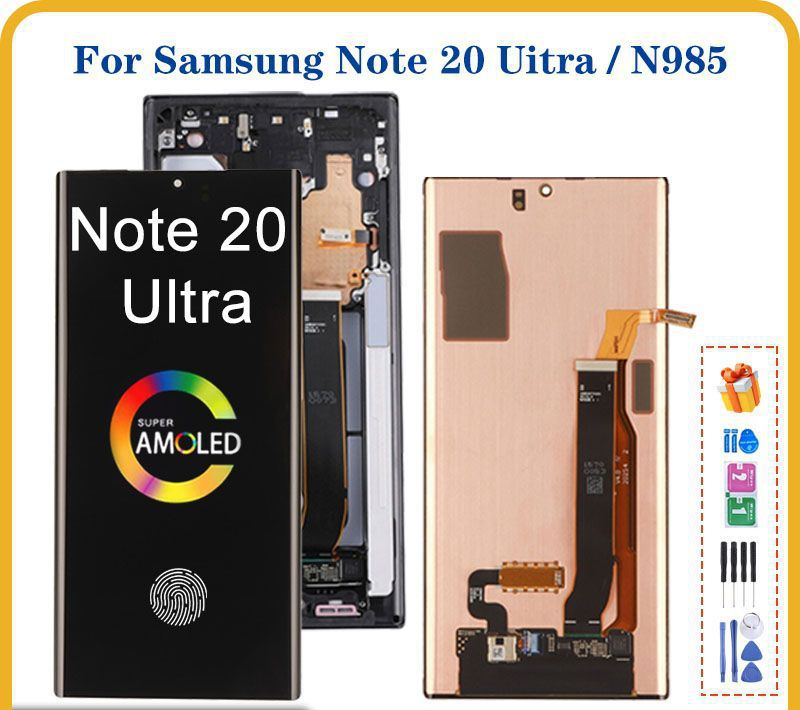
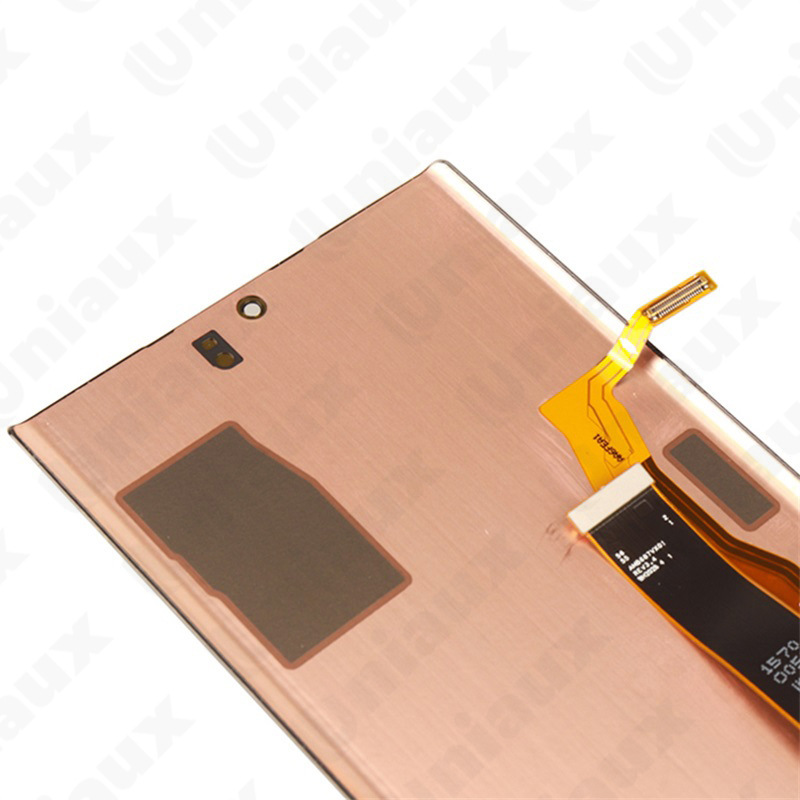
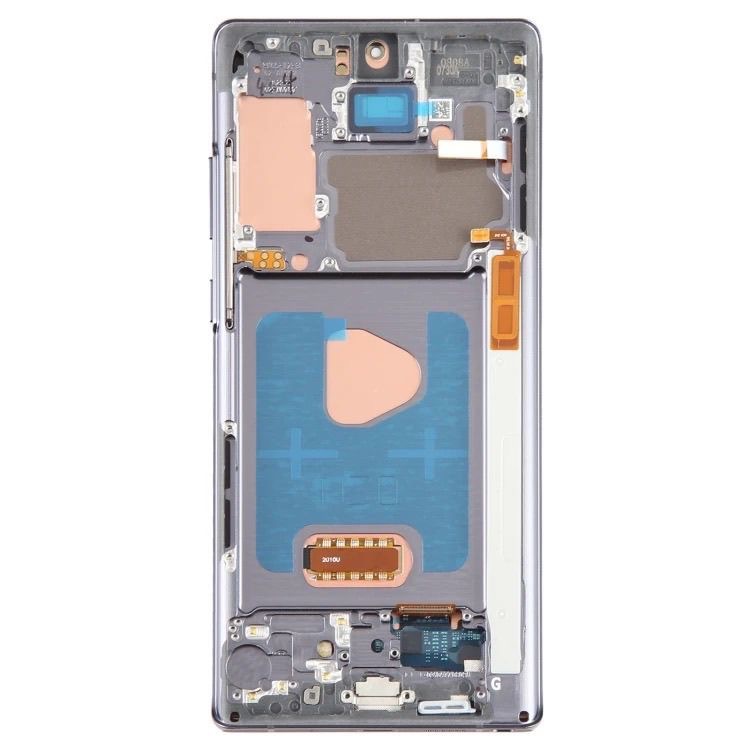
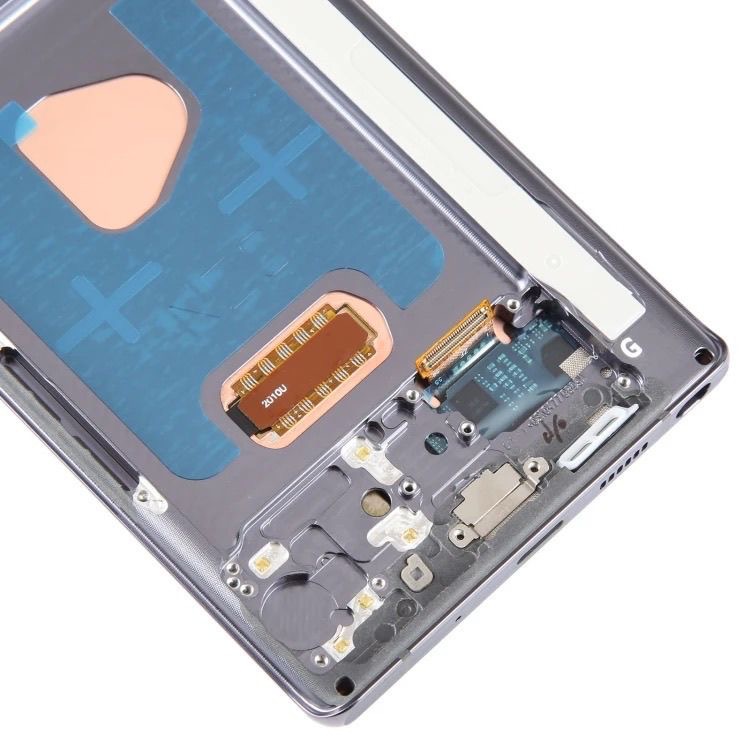
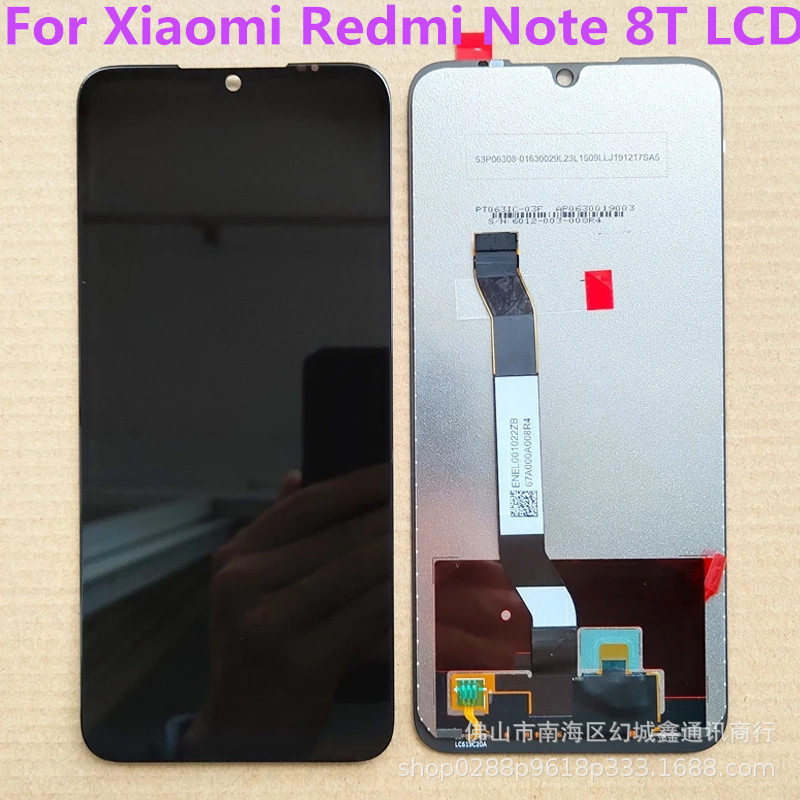
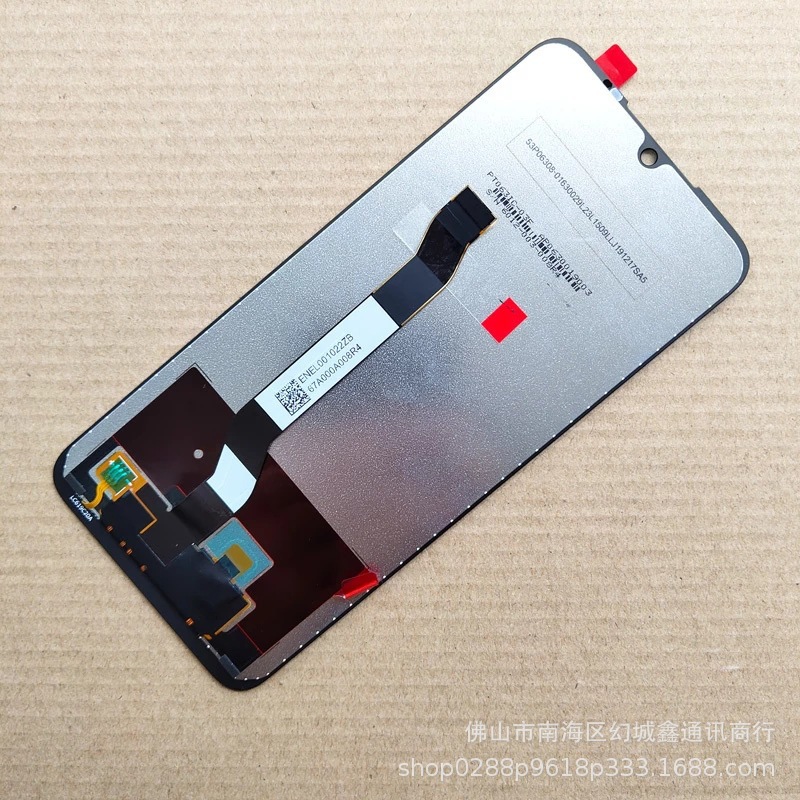
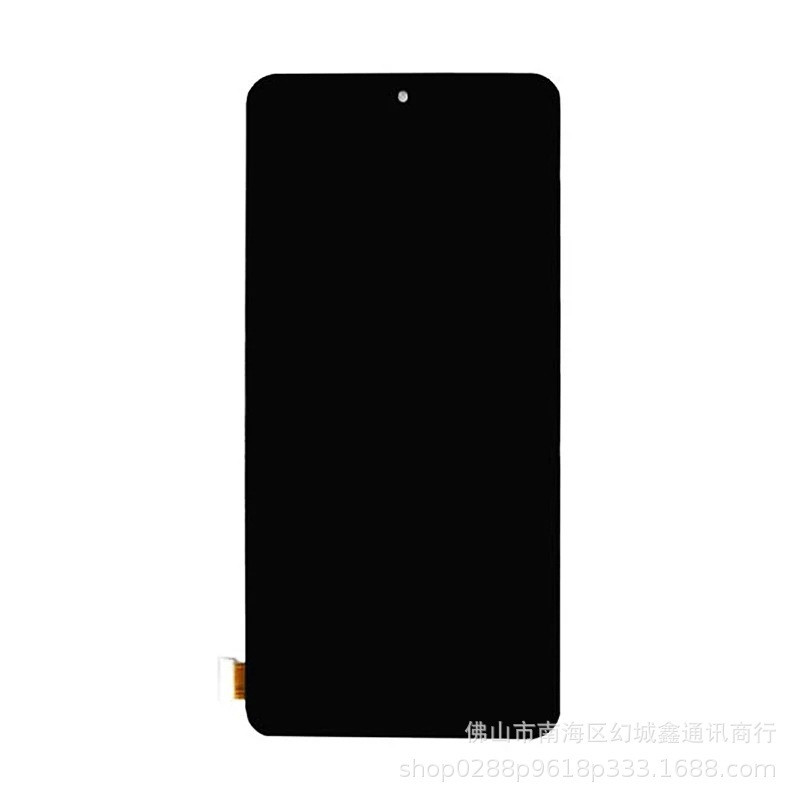
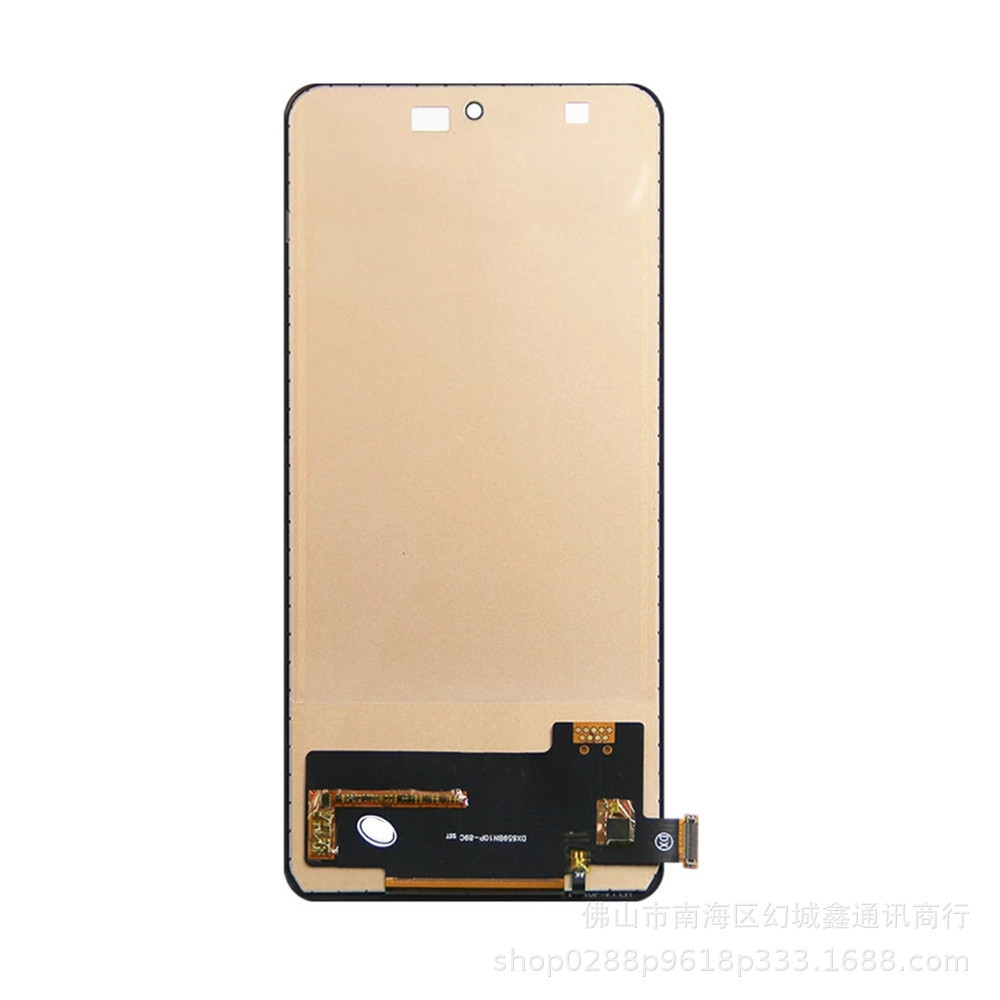
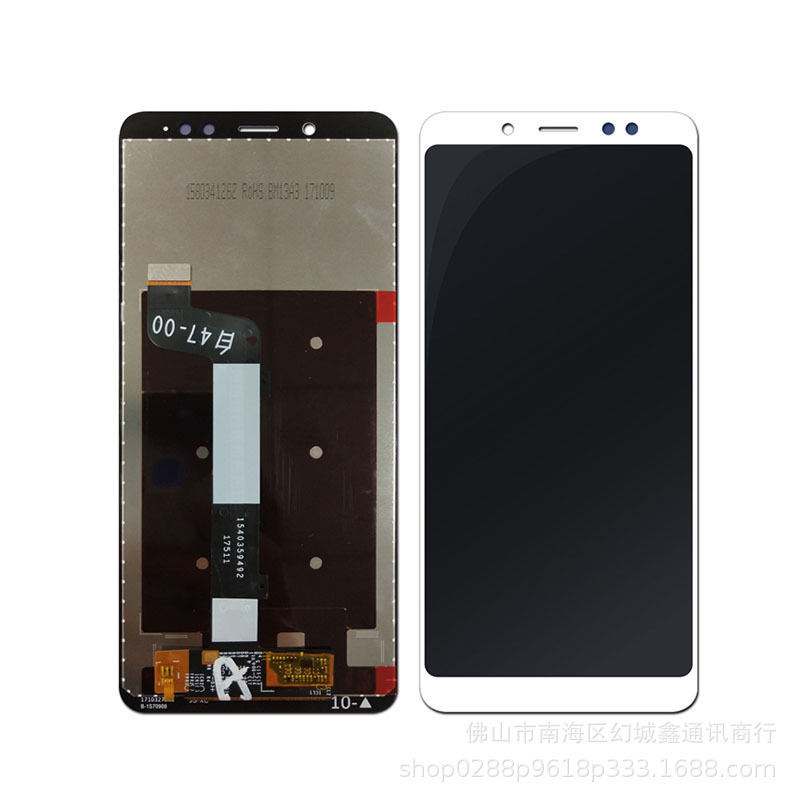
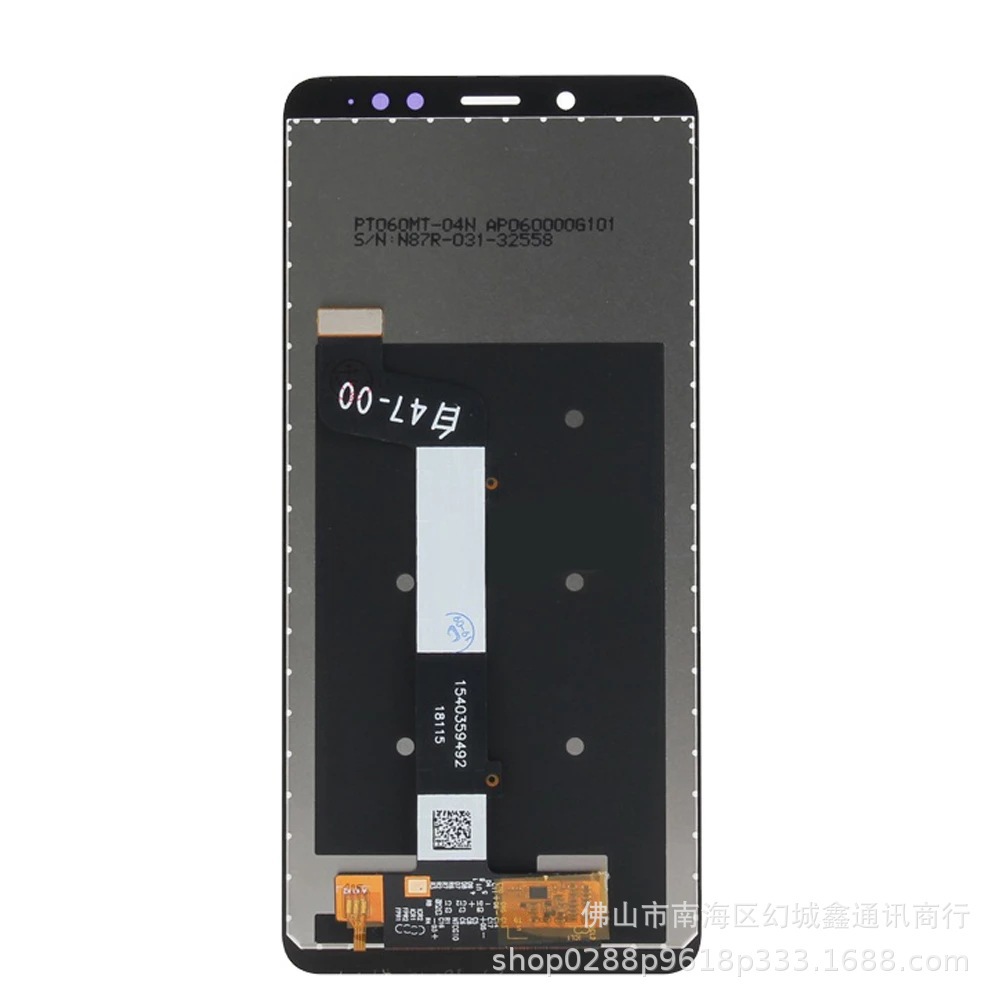
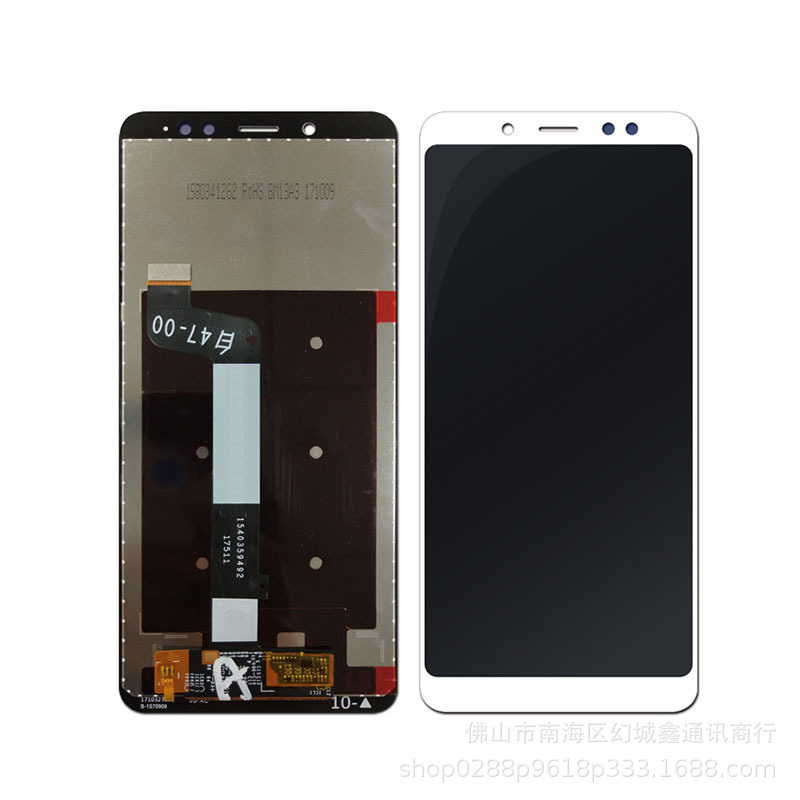
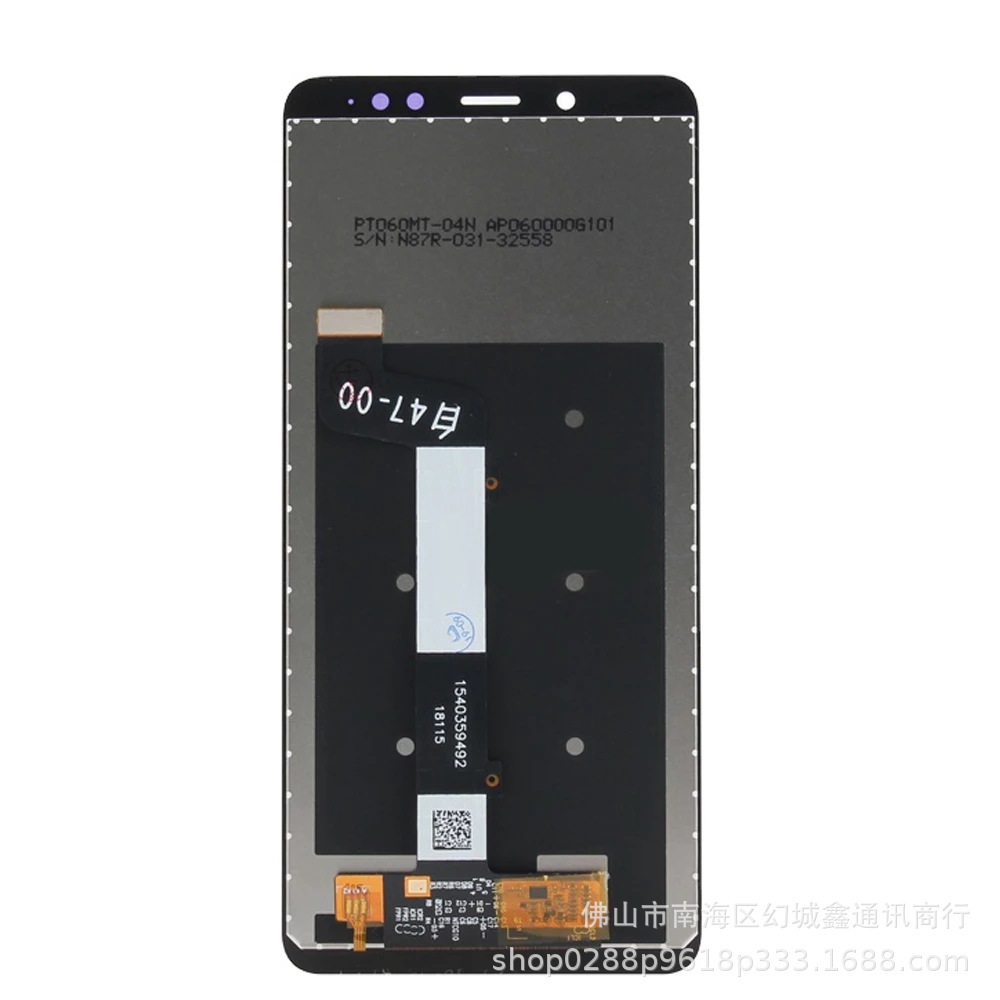
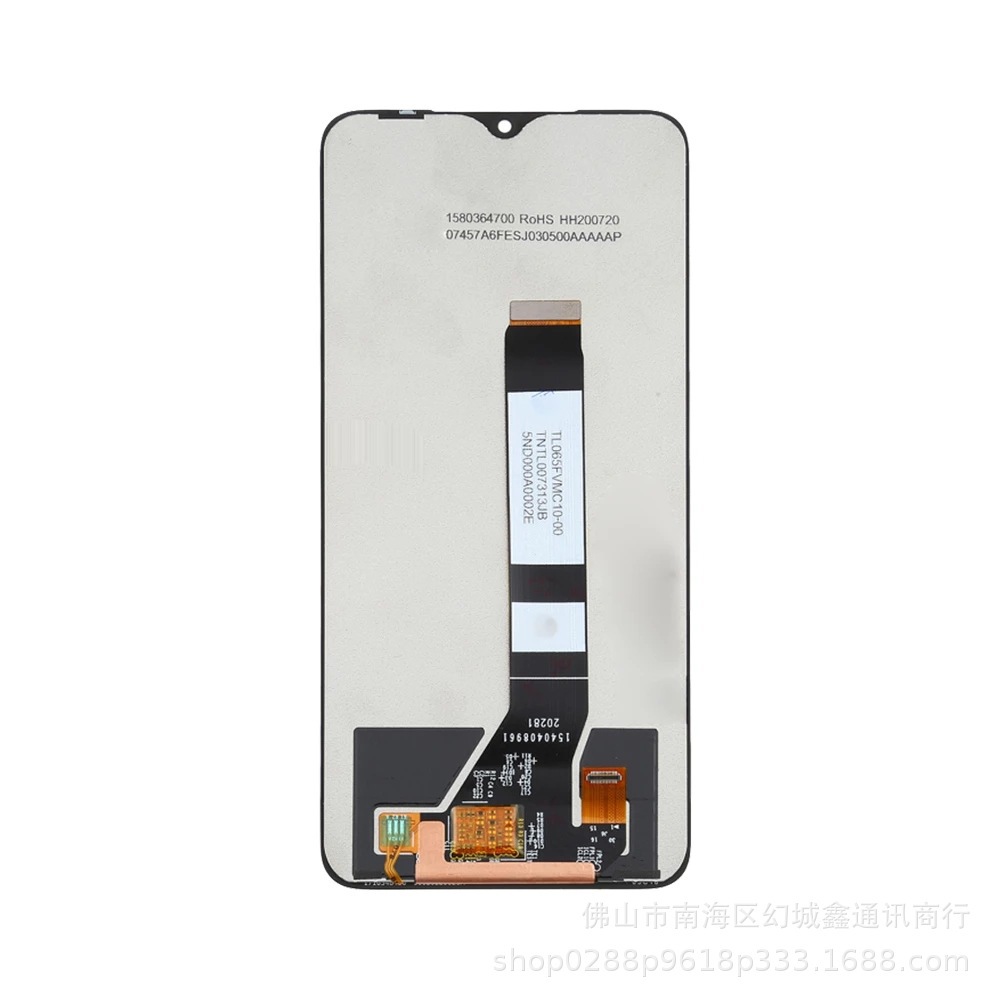
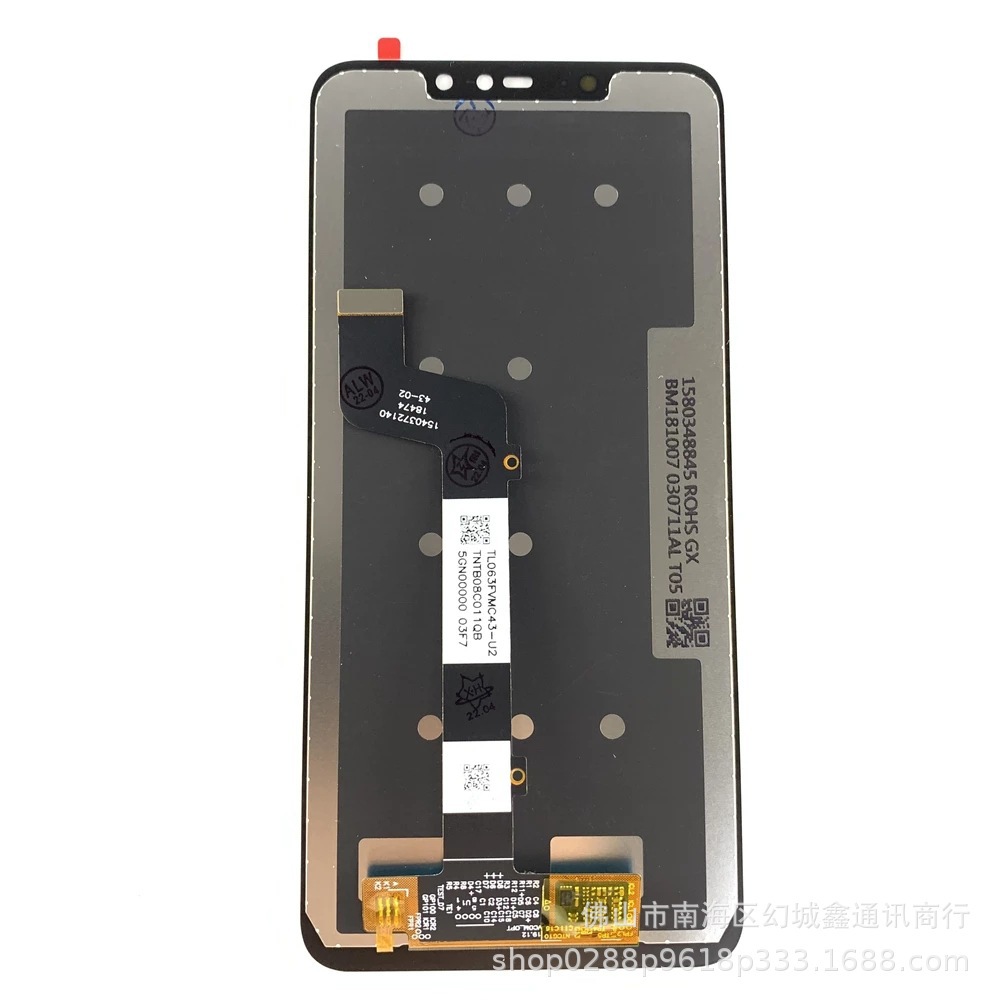
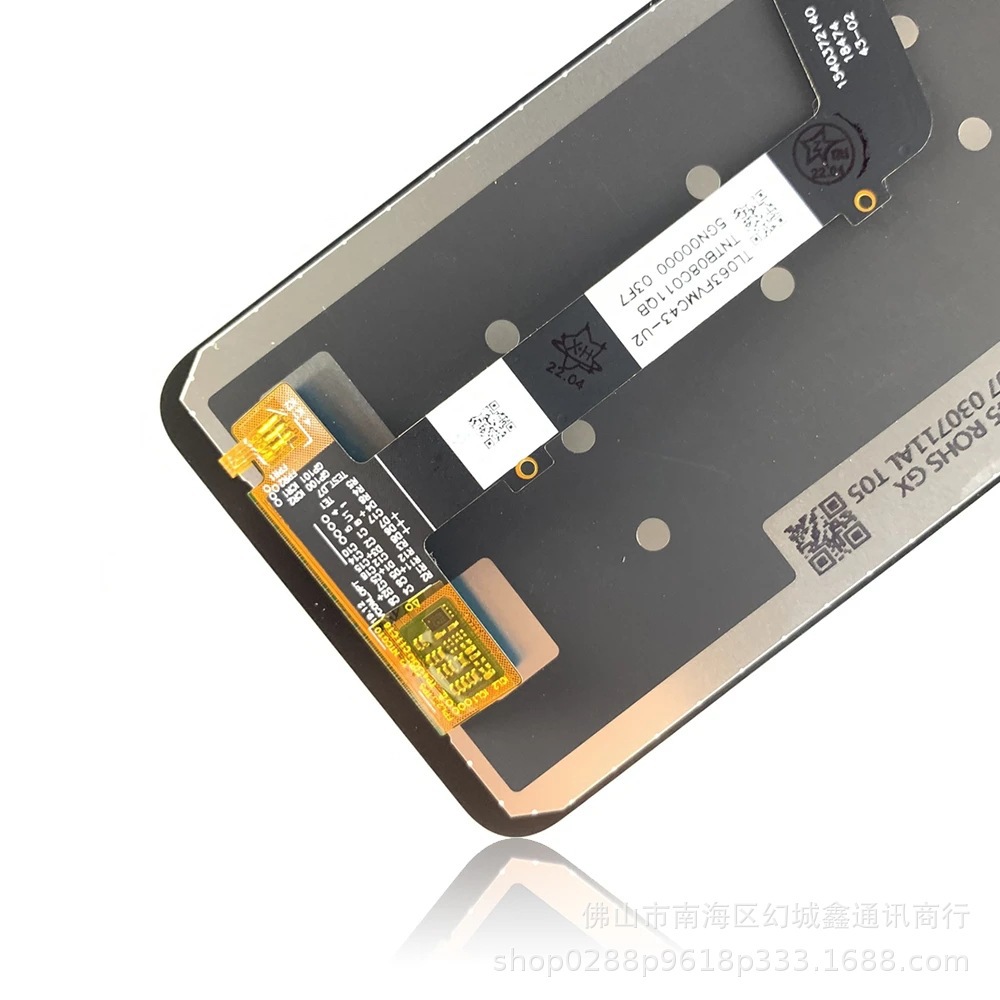
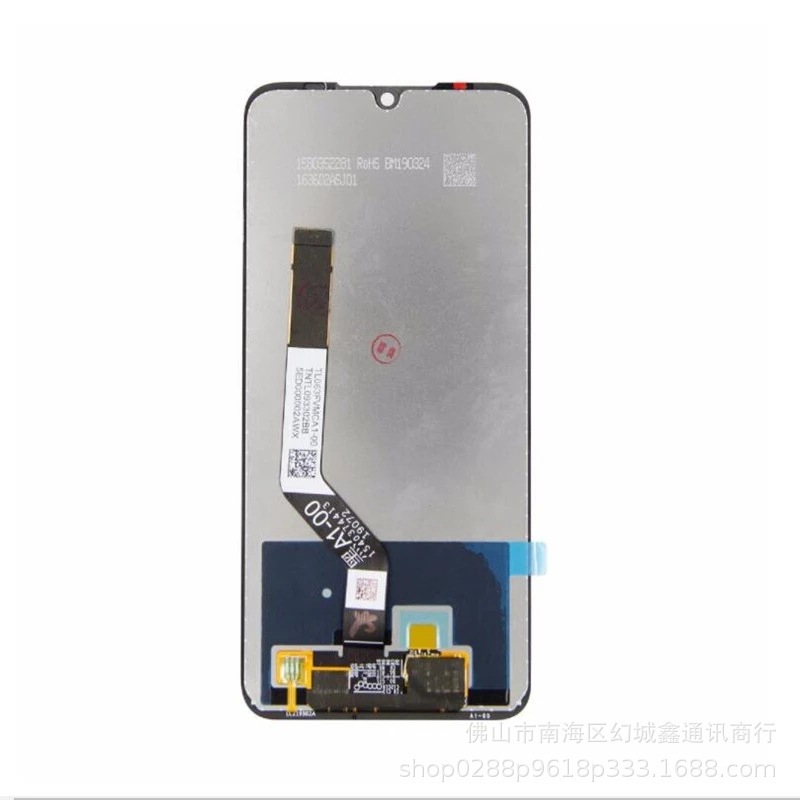
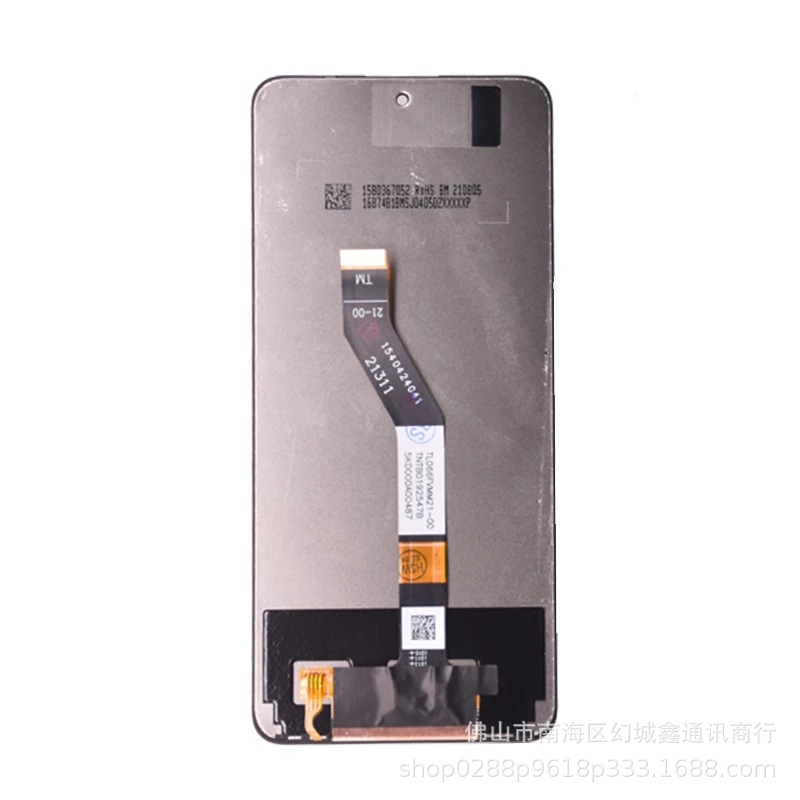
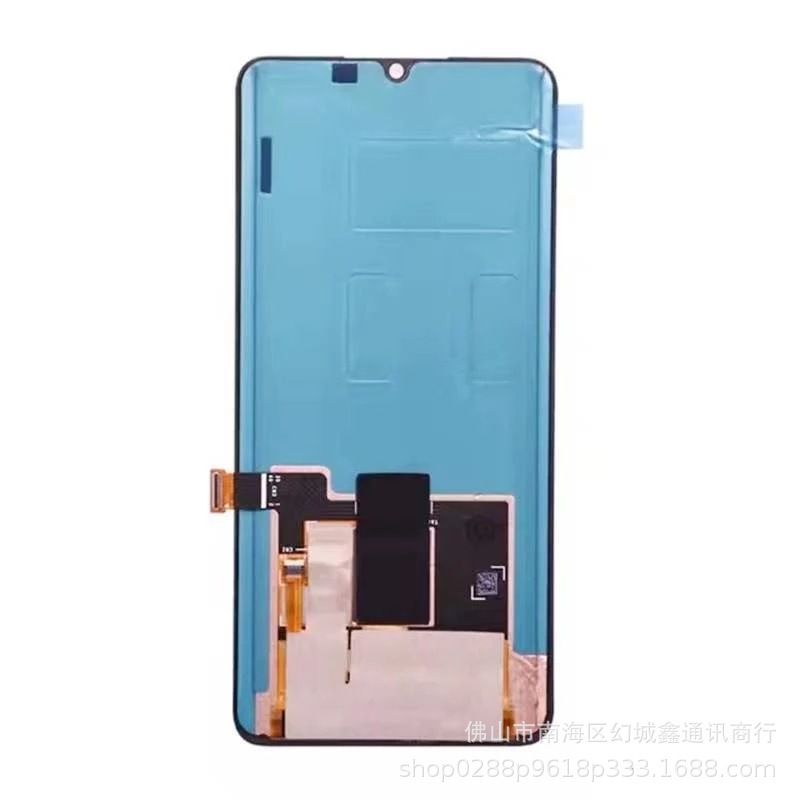
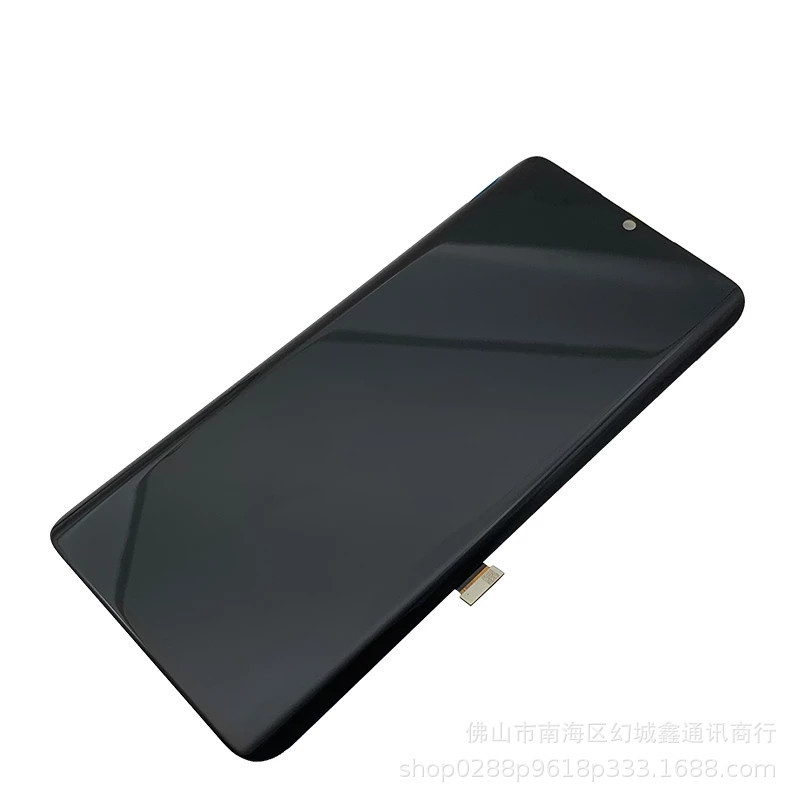
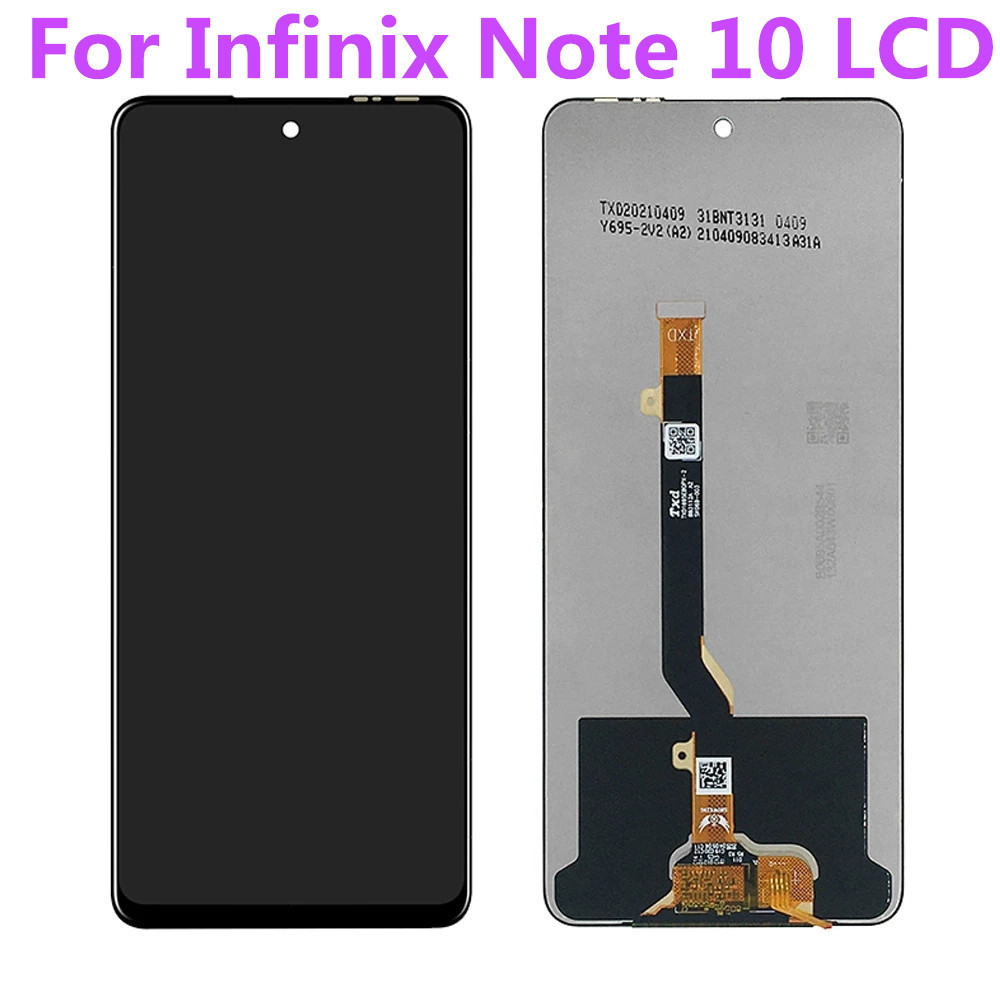
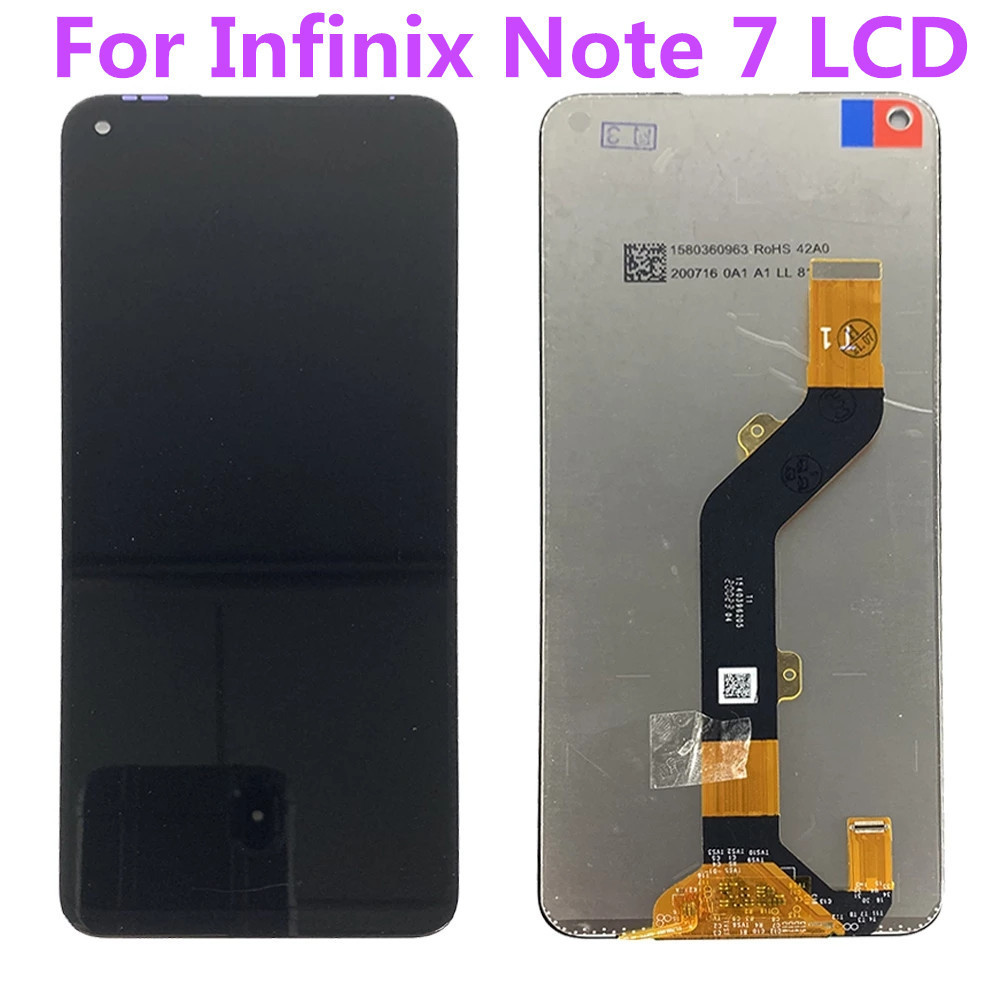
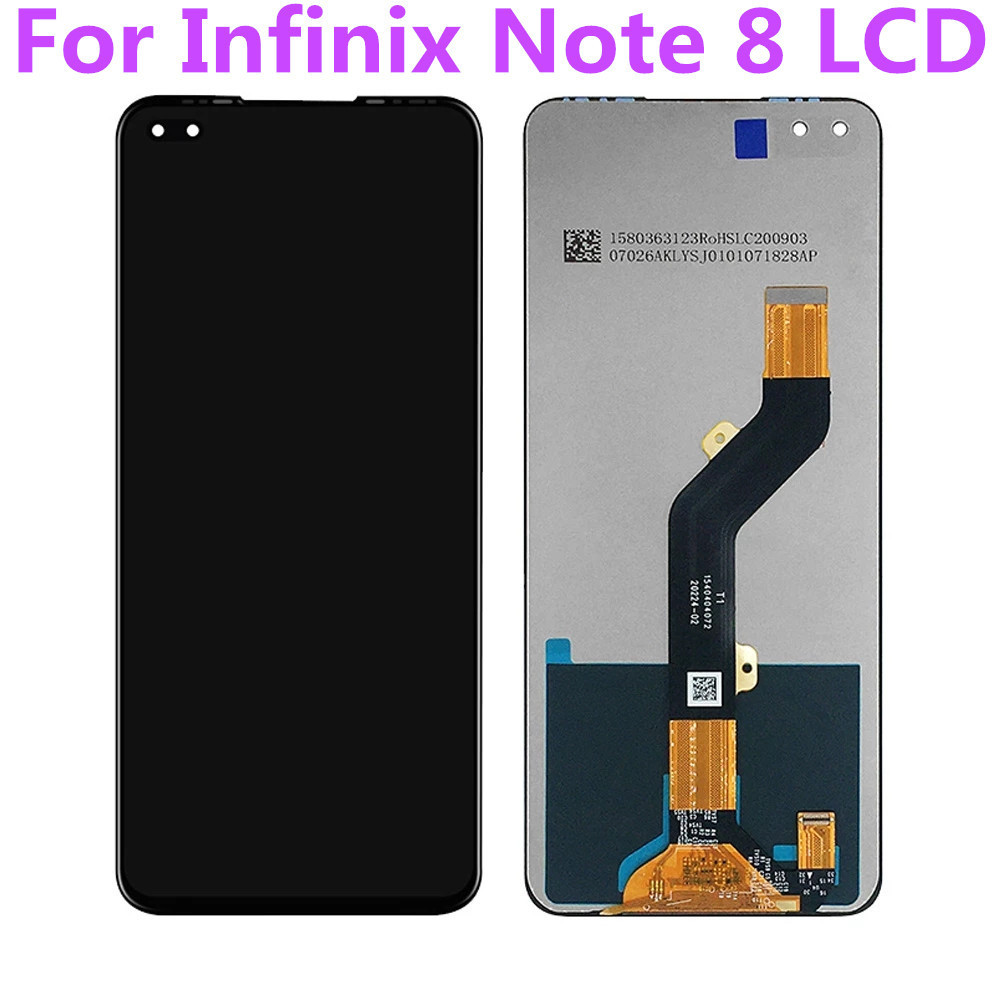
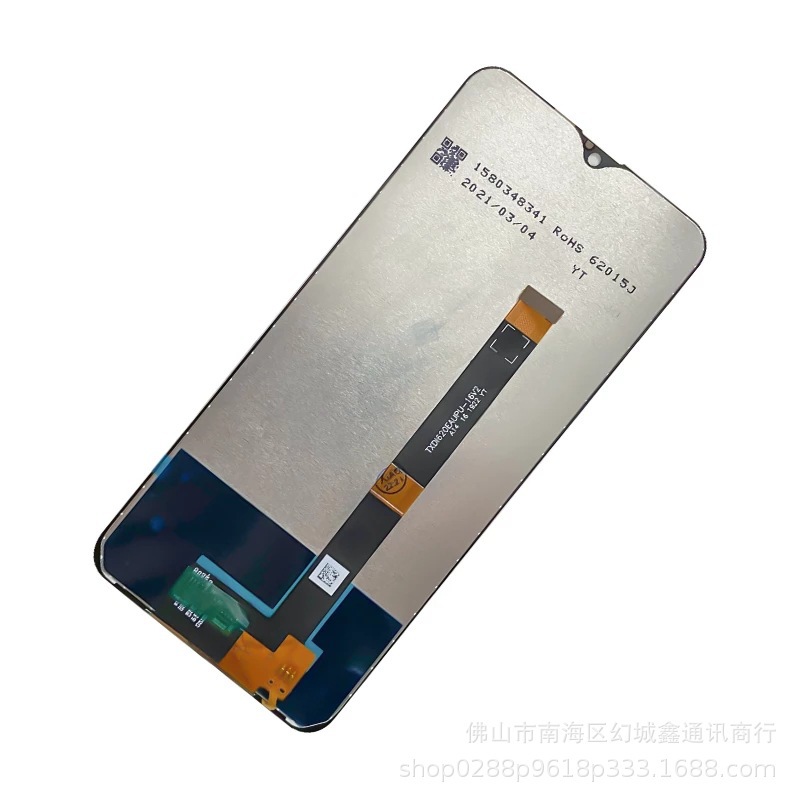
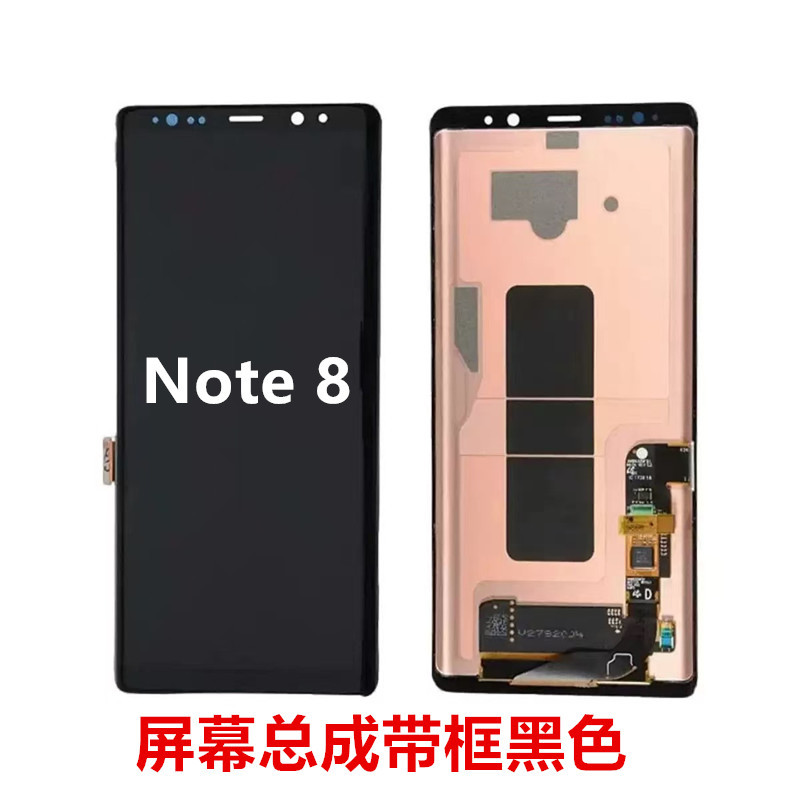
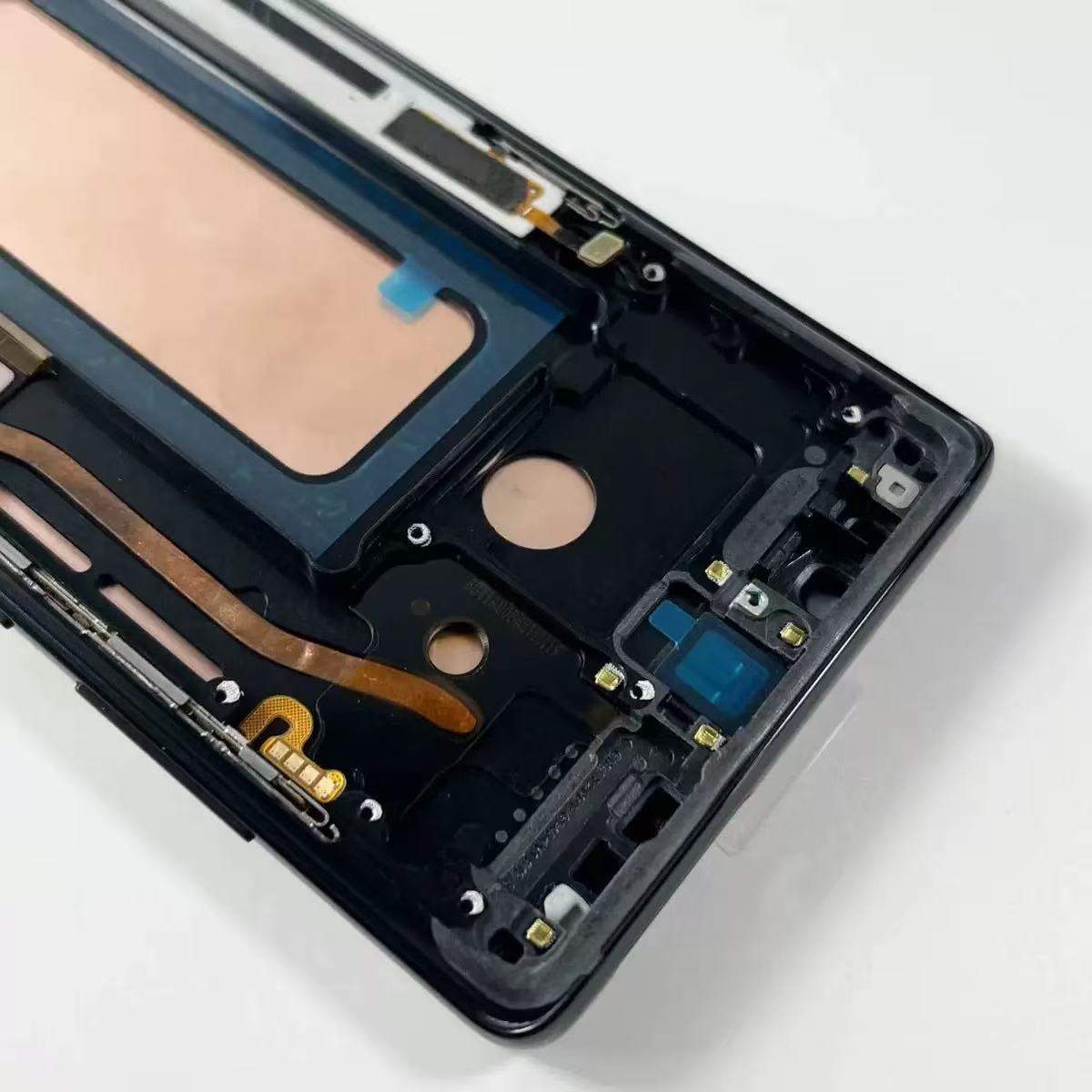
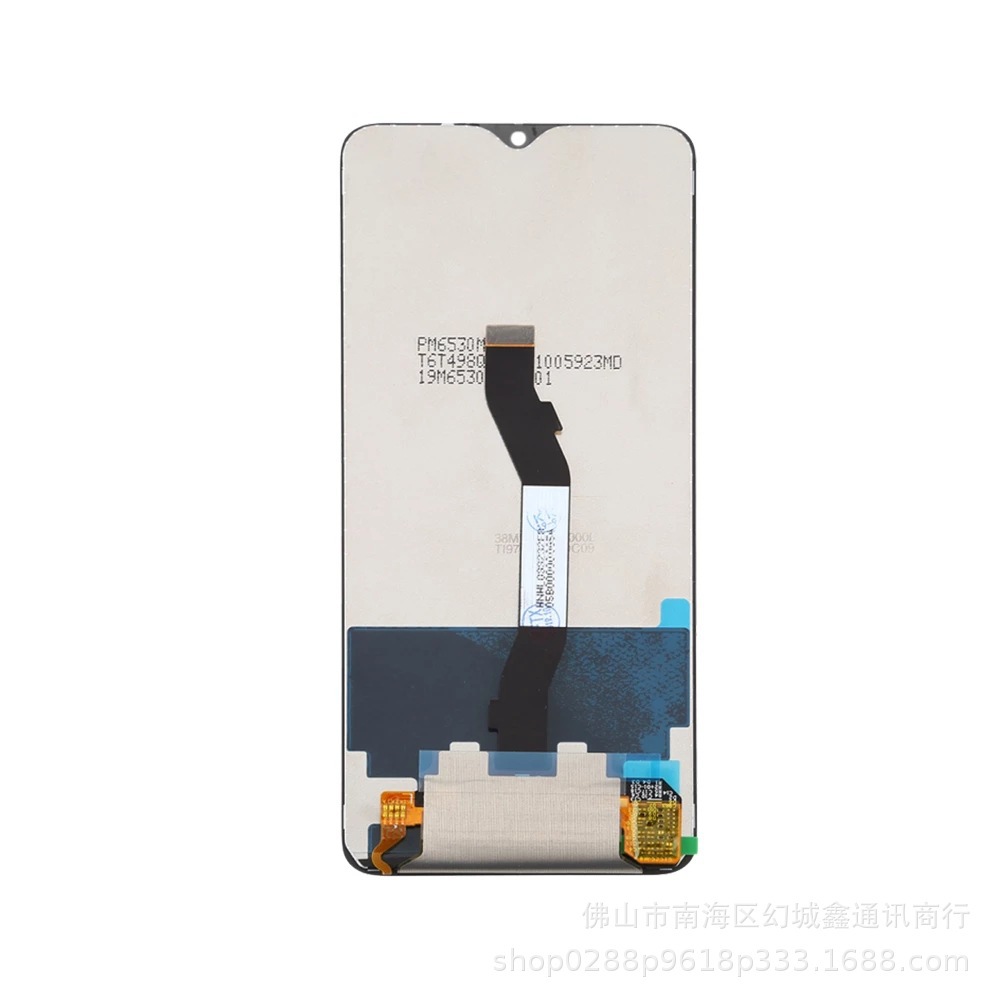
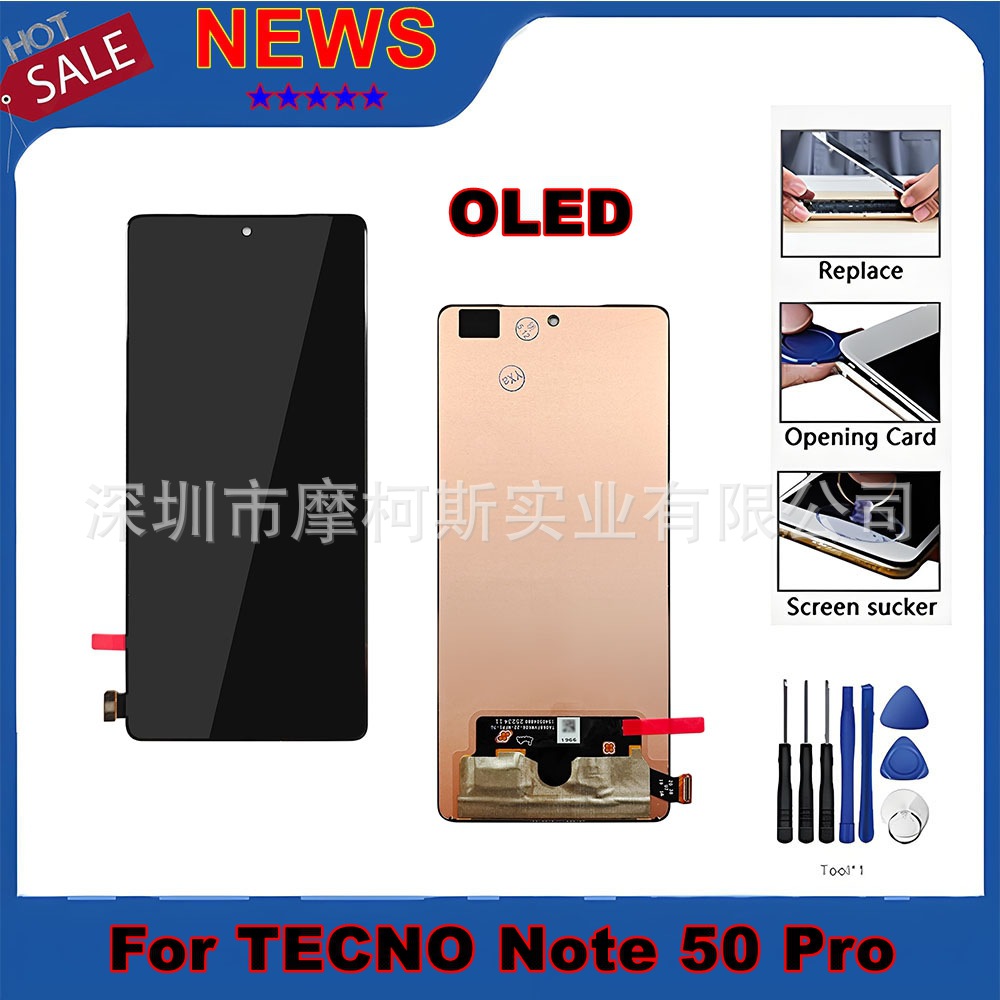
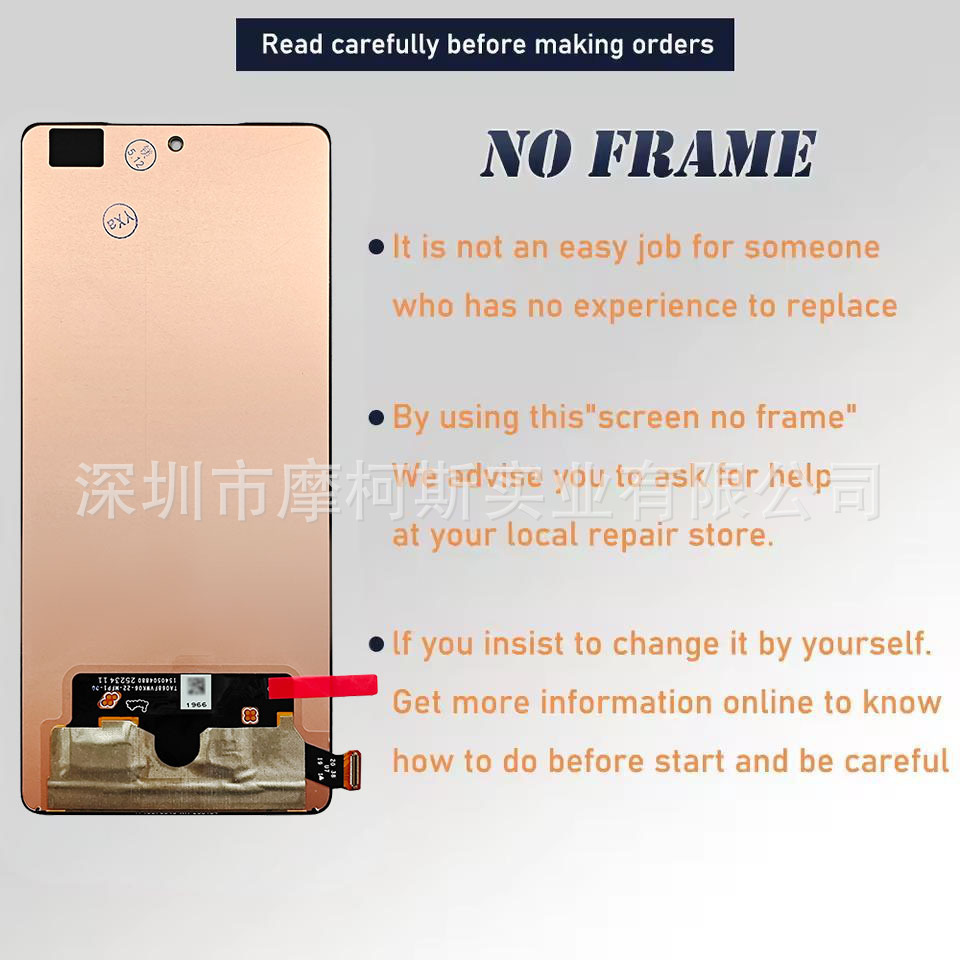
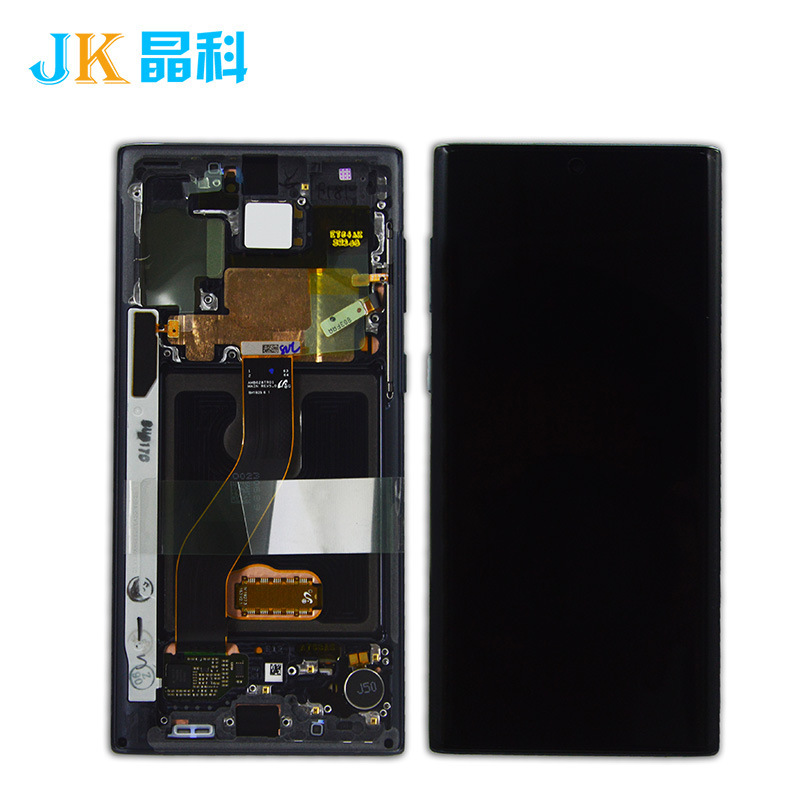
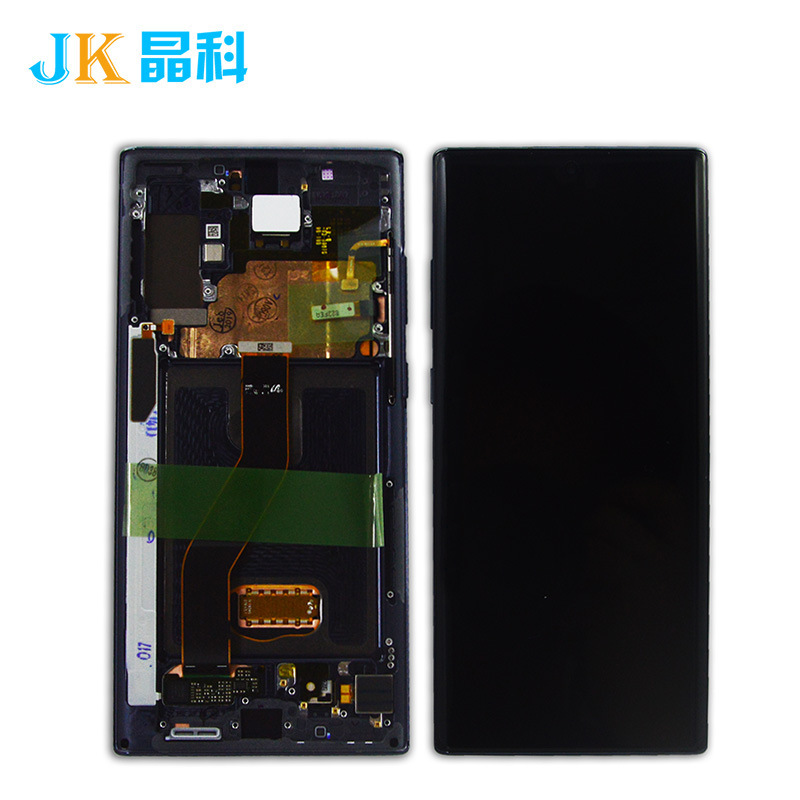
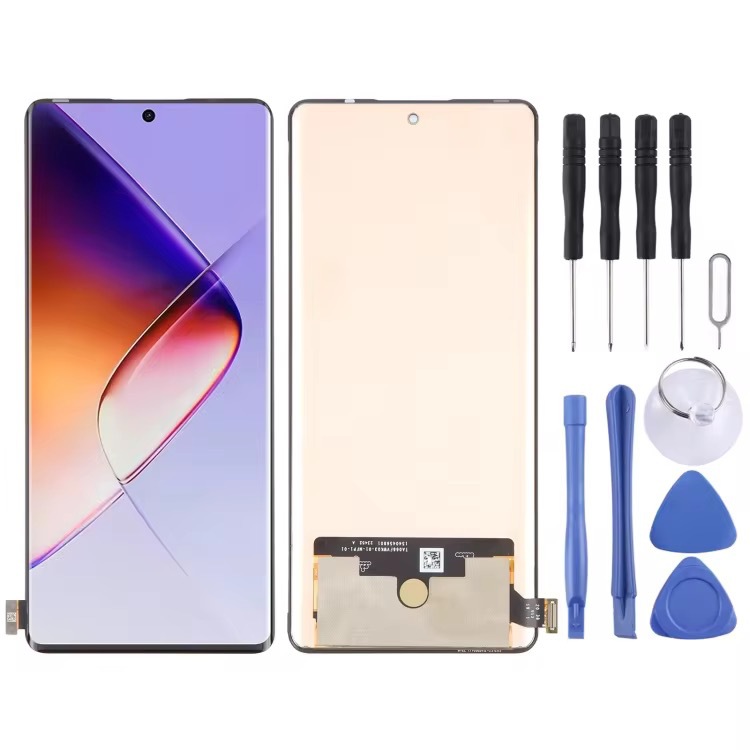
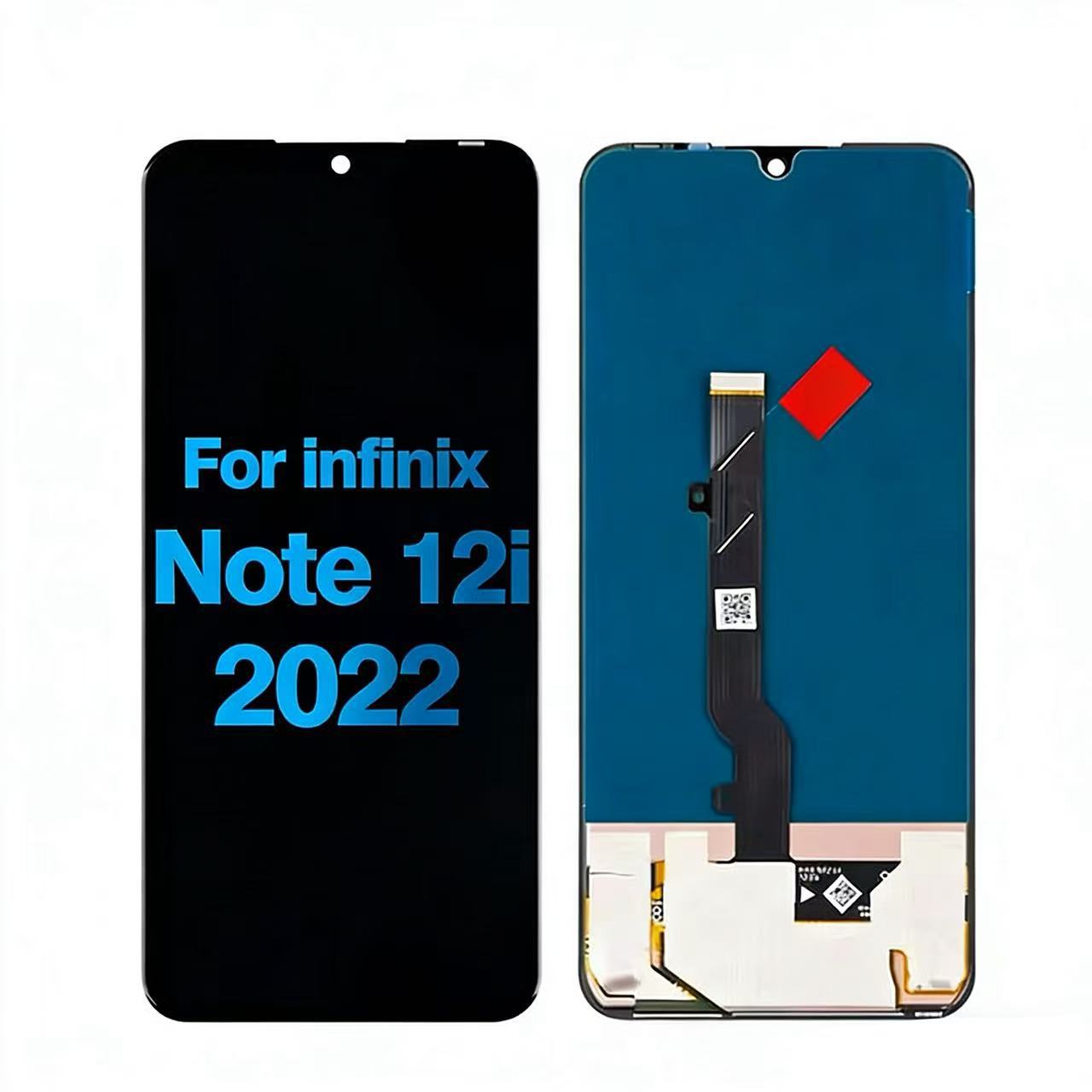
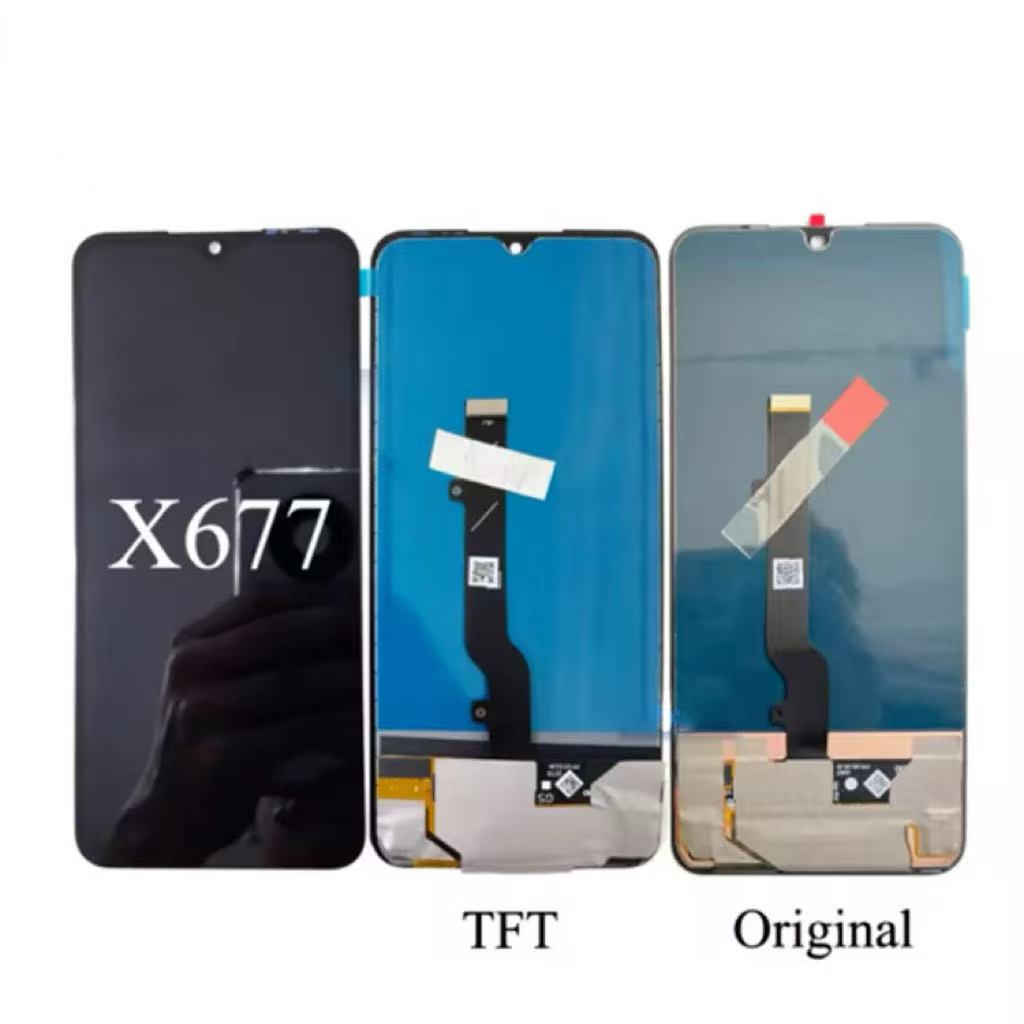
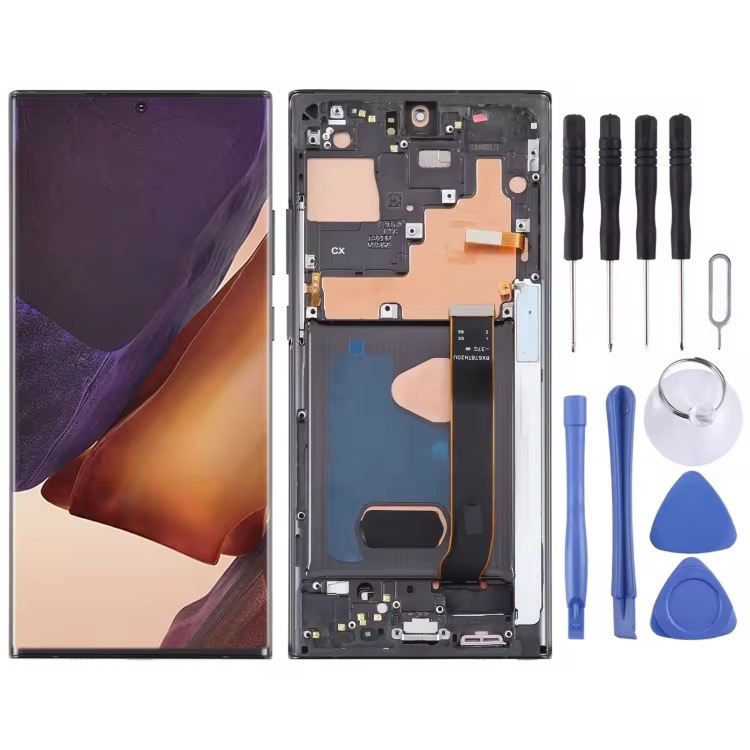
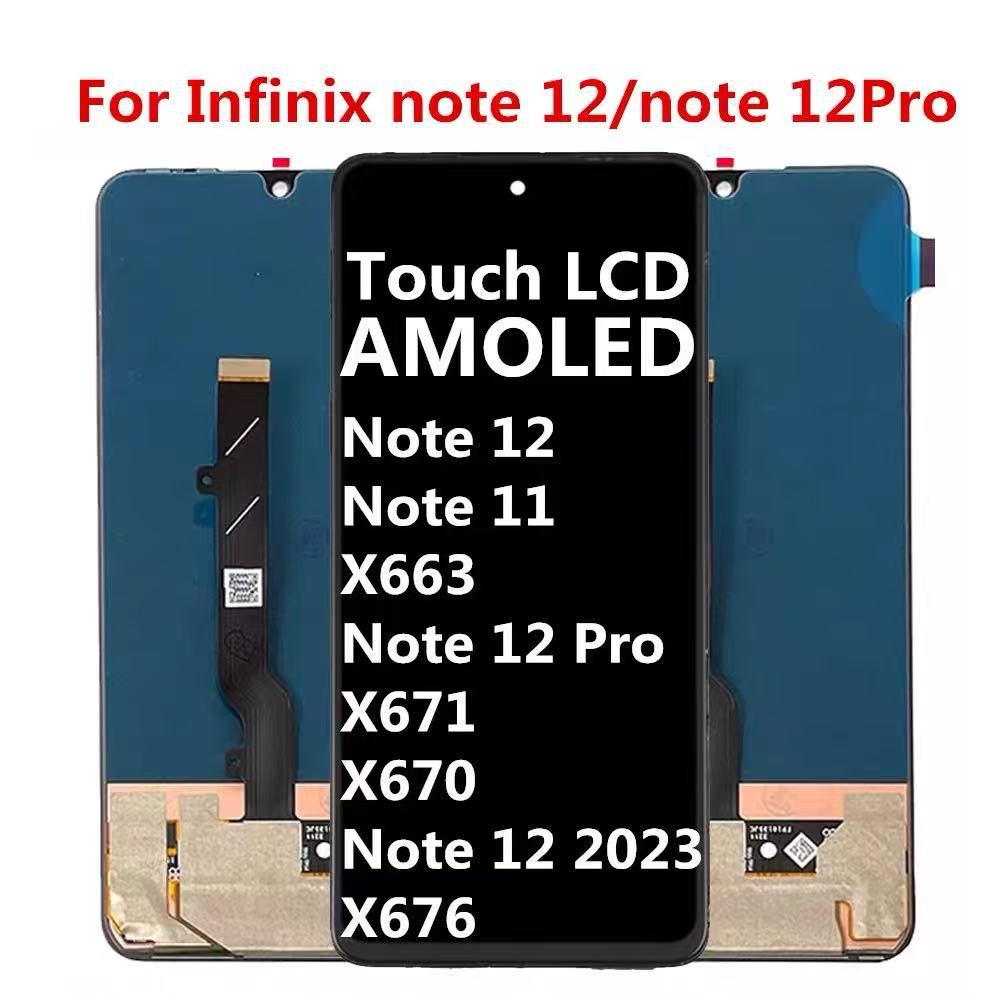
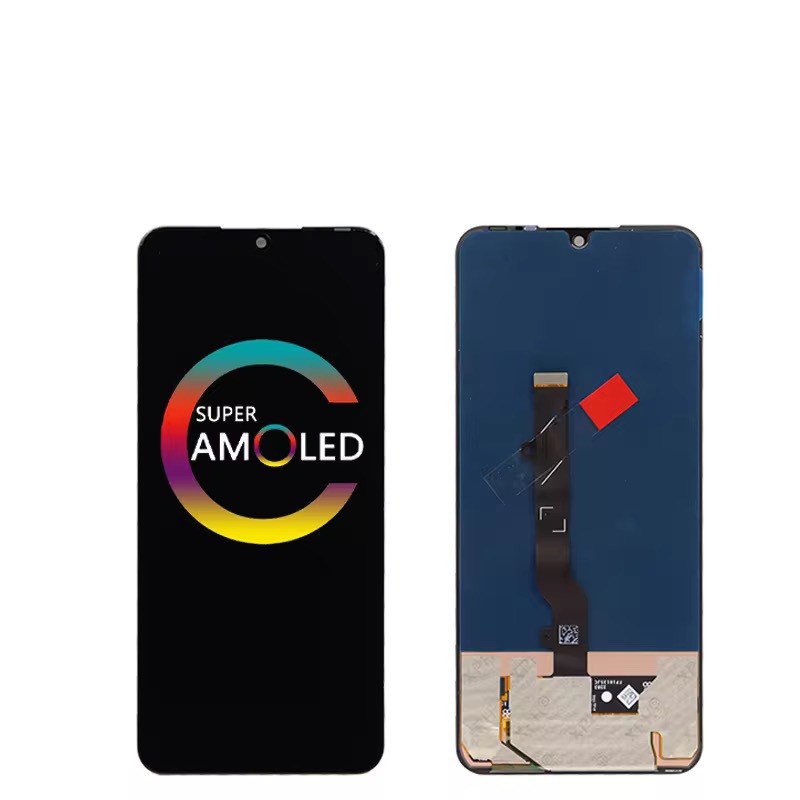
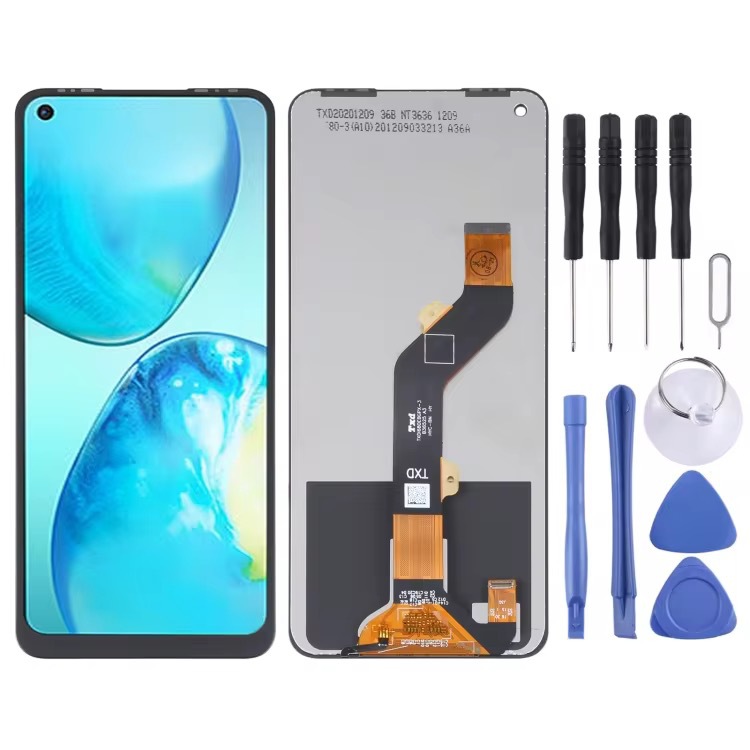
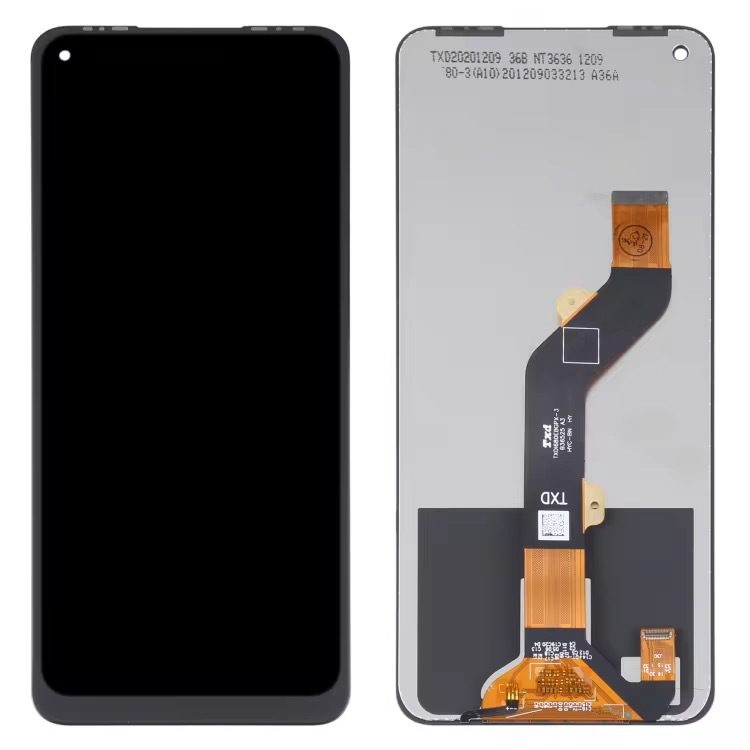
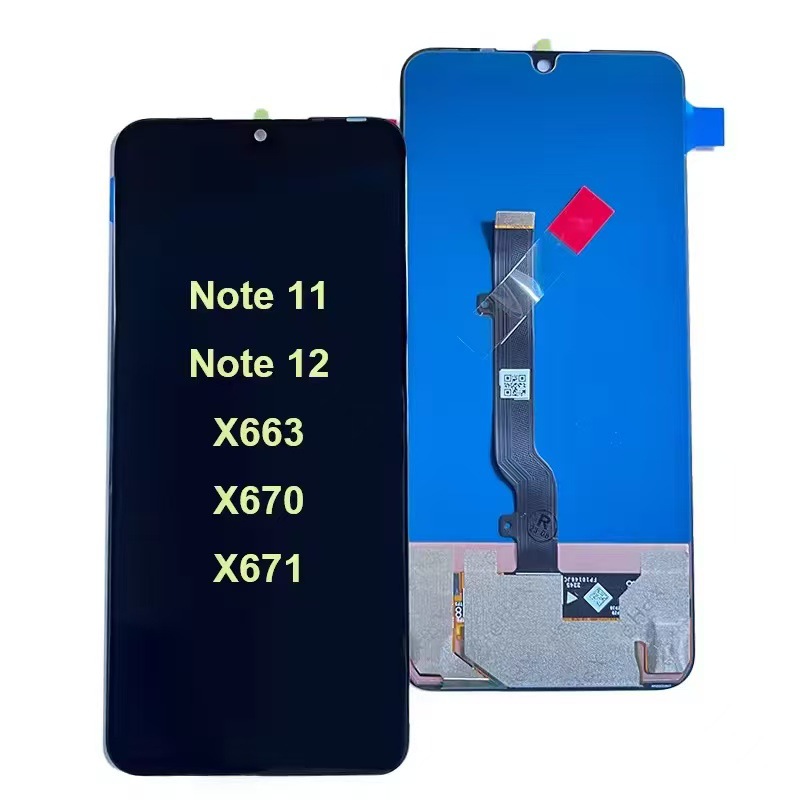
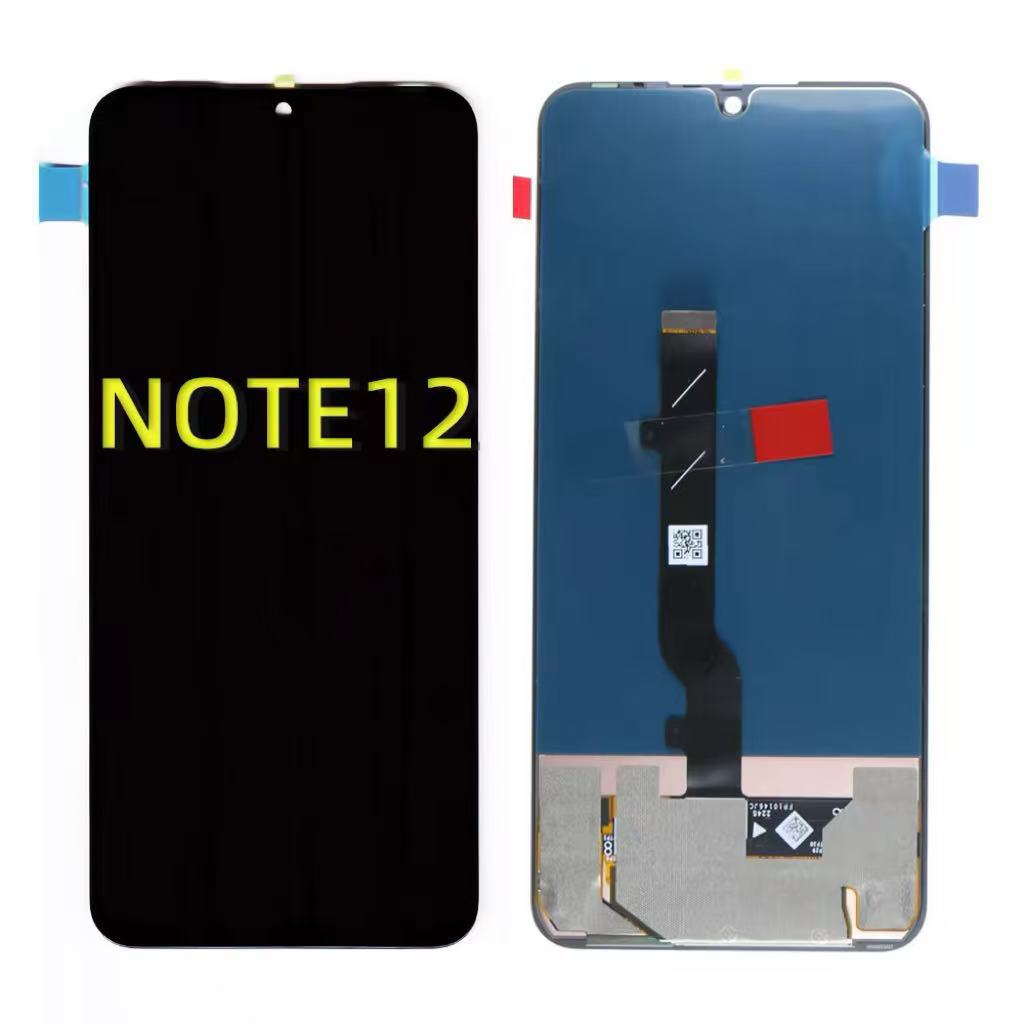
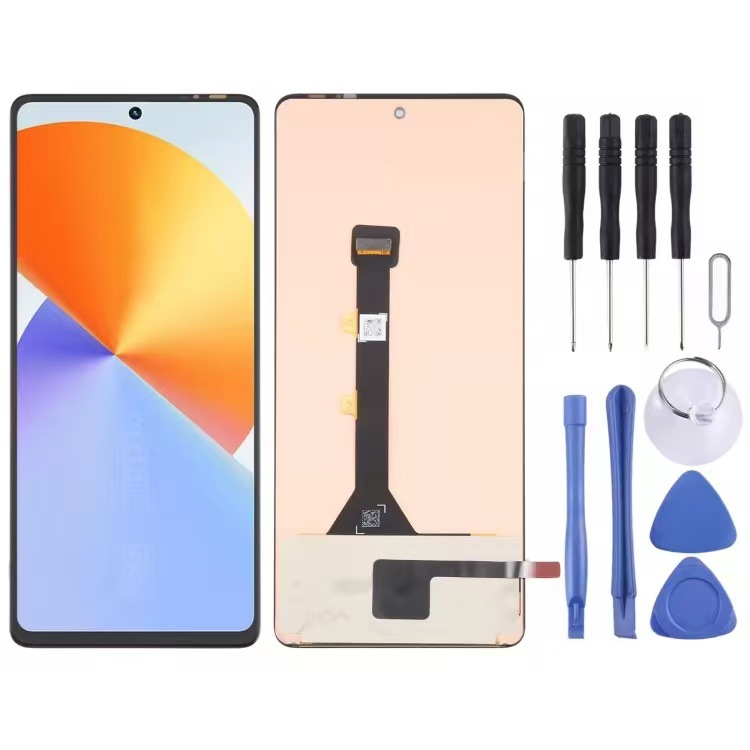
Replacement Screens — wholesale buying guide (Galaxy Note 10 to Galaxy Note 20 Ultra)
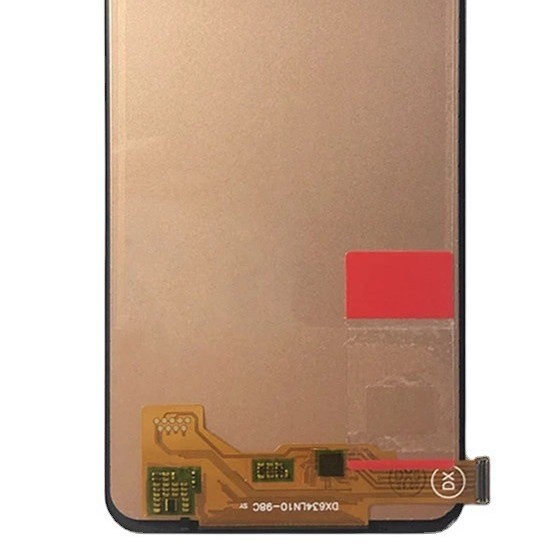
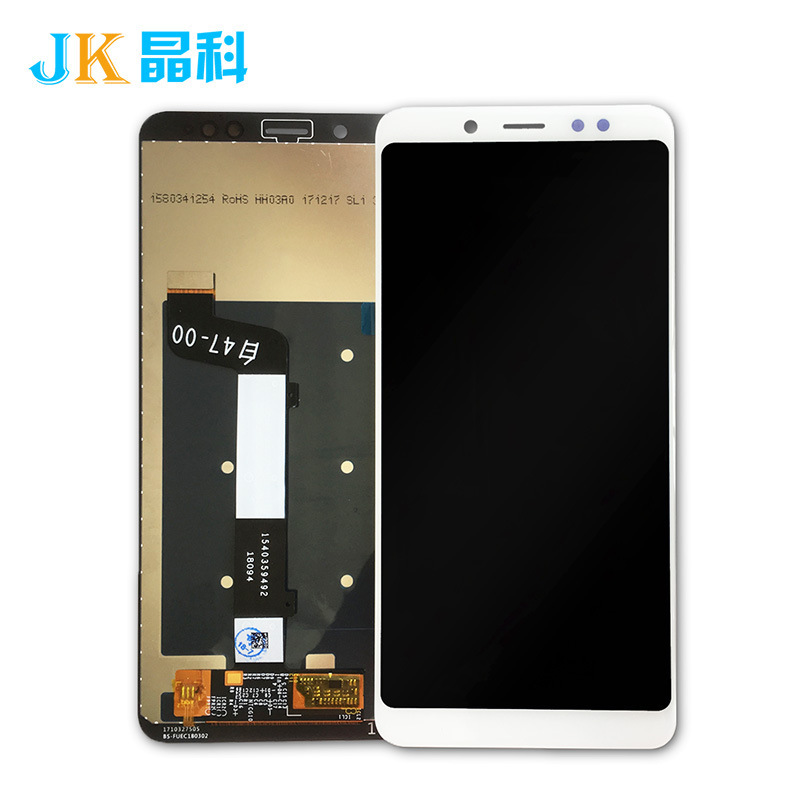
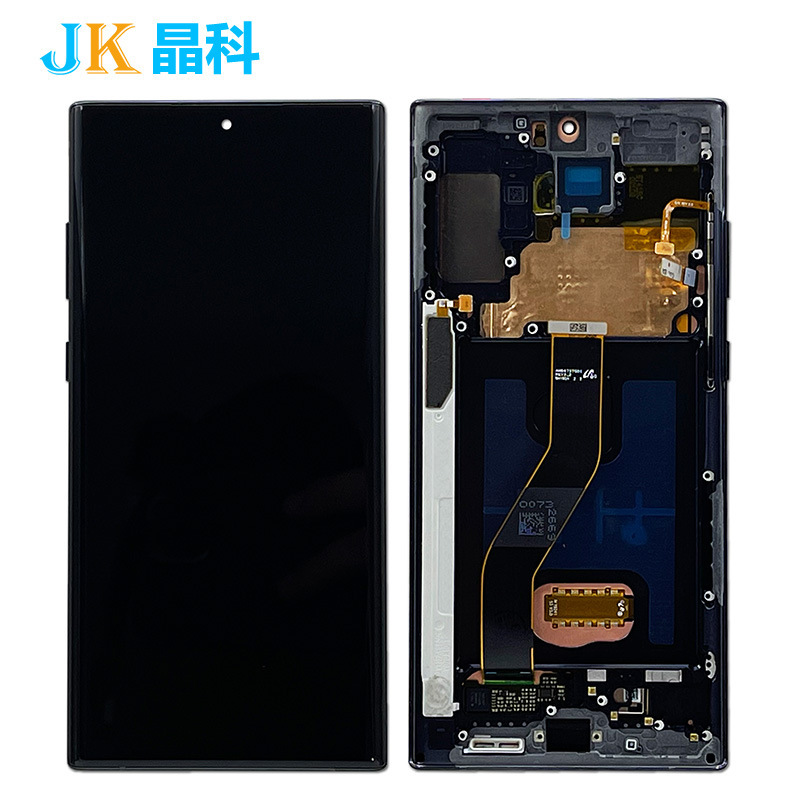
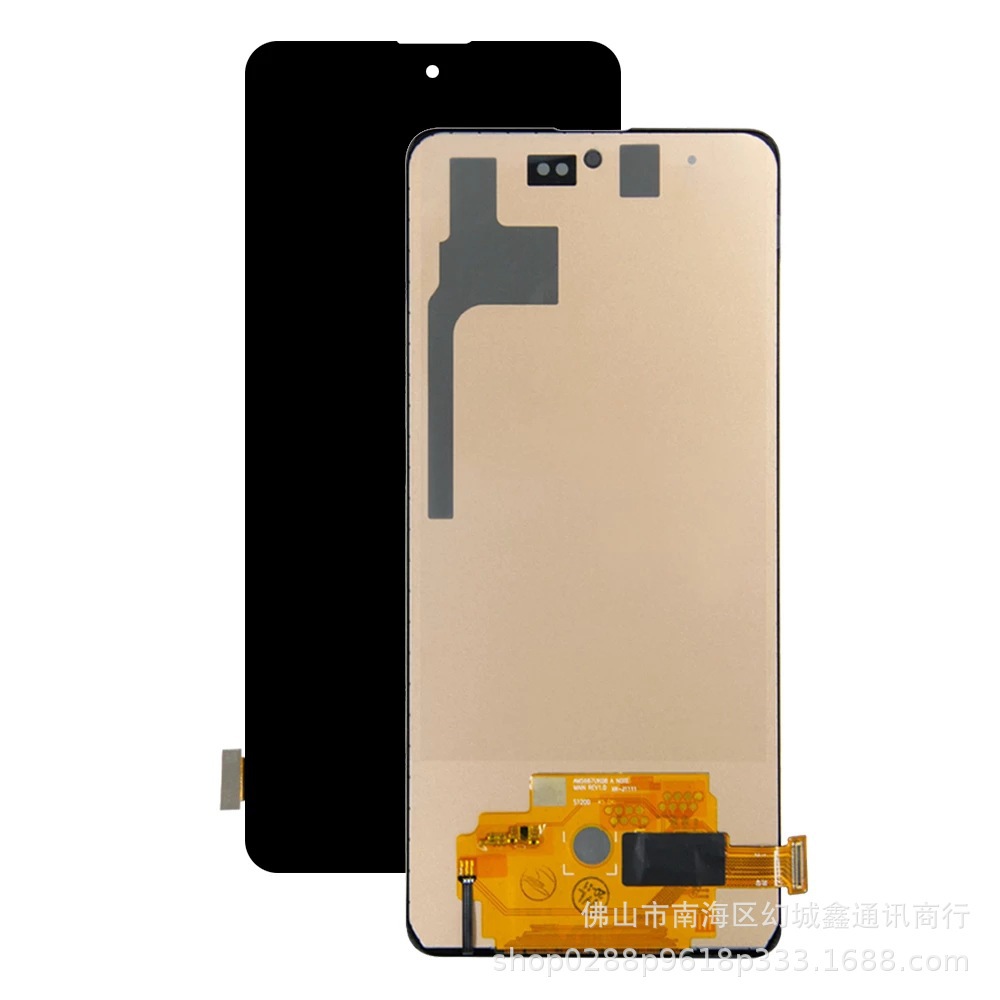
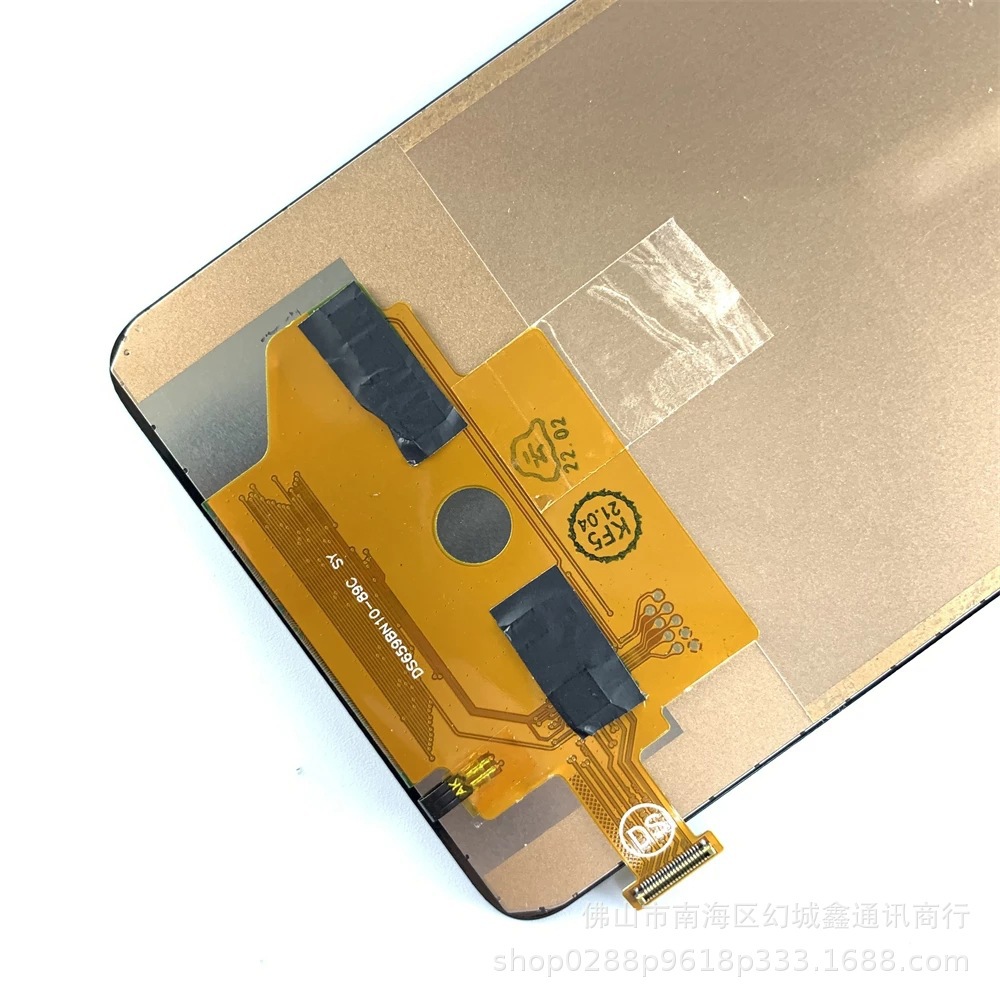
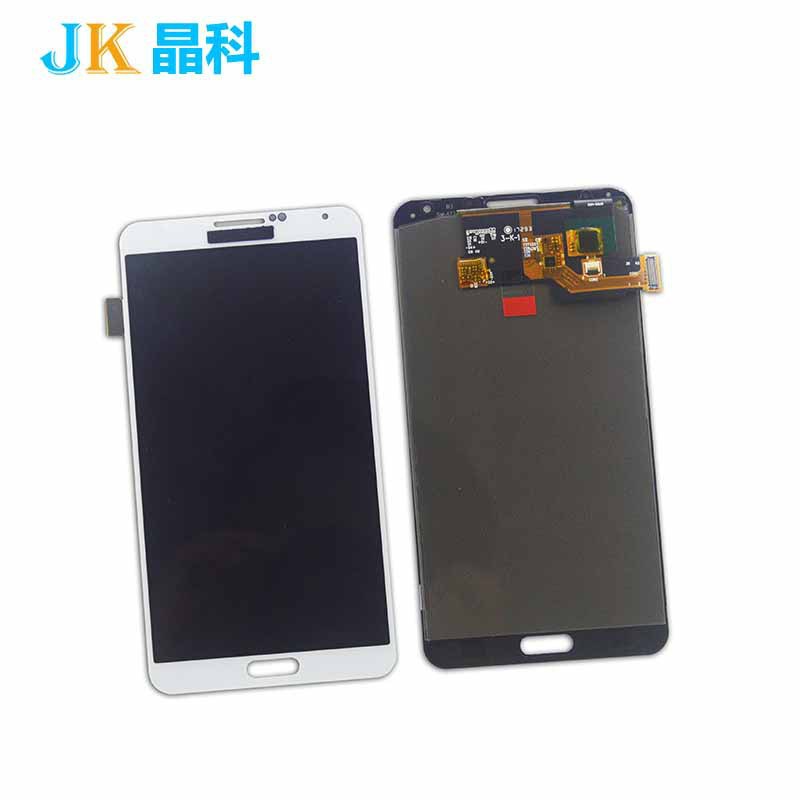
Cheap hard OLED panels develop green lines or go black after a minor corner hit. Check the flex-cable factory code (JK, GX, ZY, DL) — it identifies the real grade faster than the listing text. Every Galaxy Note 10 panel is graded before it is boxed, and the listing names the grade so there is no guessing at the bench. For Galaxy Note 10 we stock across the grade ladder rather than pushing a single tier.
Buyers who repair for walk-in customers usually run two or three grades side by side, quoting the budget tier openly rather than switching silently.
Specs and checks that matter
- Common misdiagnosis: Roughly one in three "screen faults" traced to a bench actually turns out to be the flex or a software state
- Grade scale: Original New, Original Pull, OEM Refurb, OEM Grade, Soft OLED, Hard OLED, FHD Incell, HD Incell/TFT
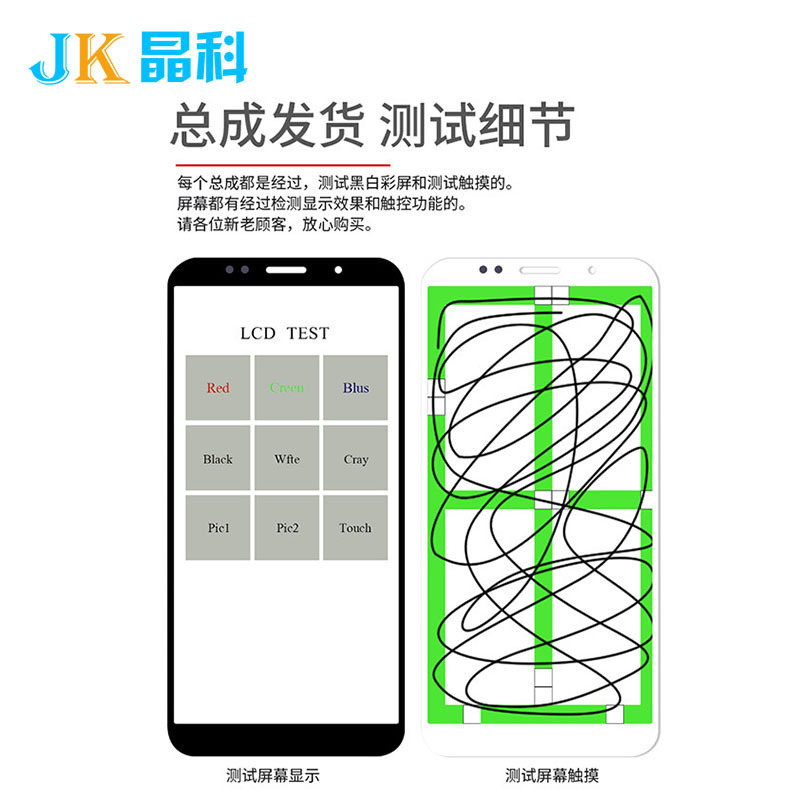
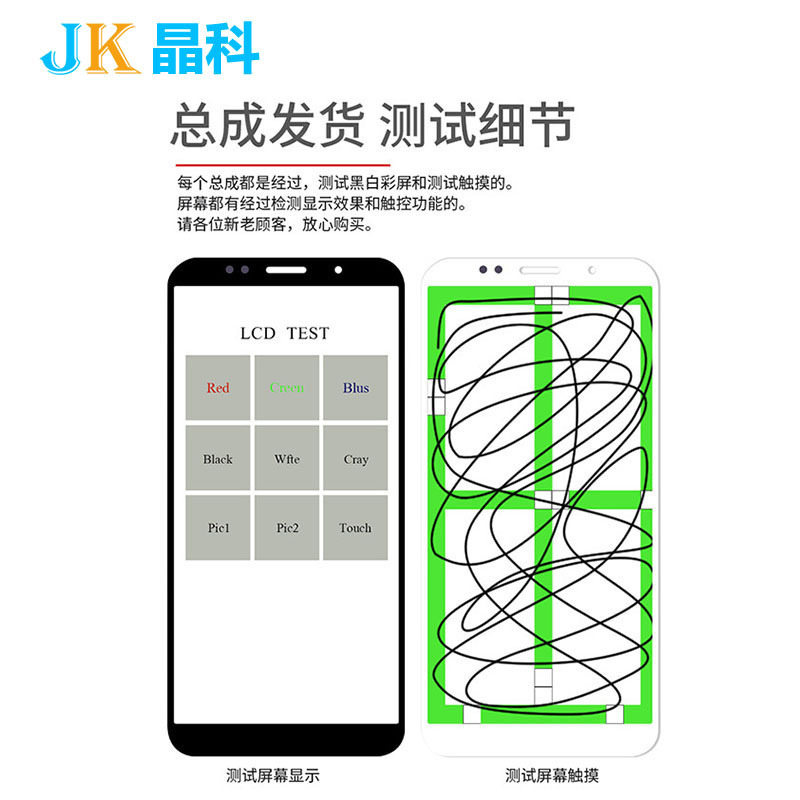
- Bench test: Touch, display, ghost-touch and true-tone are checked before an order is packed
- Substrate check: Flex carries a factory code (JK, GX, ZY, DL, YH) — it identifies the actual production line
- OLED types: Soft OLED is flexible and absorbs drops; hard OLED is rigid glass and more brittle at the corners
Buyer questions
Why do screens come back?
The usual culprits are budget TFT brightness, ghost touch from weak incell digitizers, brittle hard OLED and dust under refurbished glass.
Does a replacement screen show the unknown-part message?
On many models yes — it is a software notice rather than a fault, and the practical fix is explaining it to the customer before pickup.
Soft OLED or hard OLED?
Soft OLED is flexible and survives drops better; hard OLED is rigid and cheaper but more fragile at the corners.
Is soft OLED worth the premium over hard OLED?
Yes for most repairs — the flexible substrate survives the drops that crack a rigid hard OLED panel, which cuts comebacks.
Related in this range
Need More Options? Contact Our Sales Team
Only part of our full catalog is shown on this site.
Numerous new models & custom OEM solutions are available.
Send us your requirements, our dedicated sales staff will reply to you quickly.