
 USD
Home
/
iPhone 13 Series Screens
iPhone 13 Series Screens
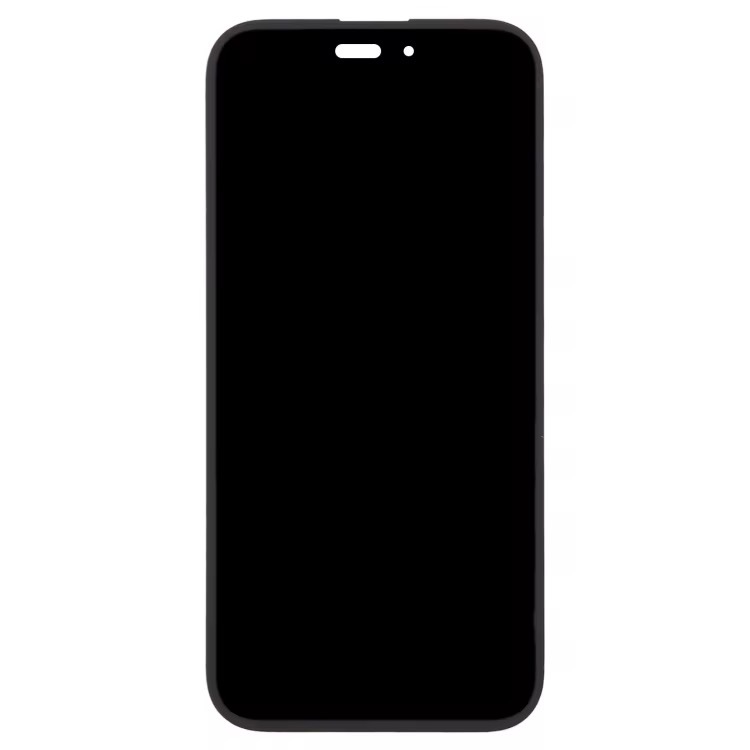
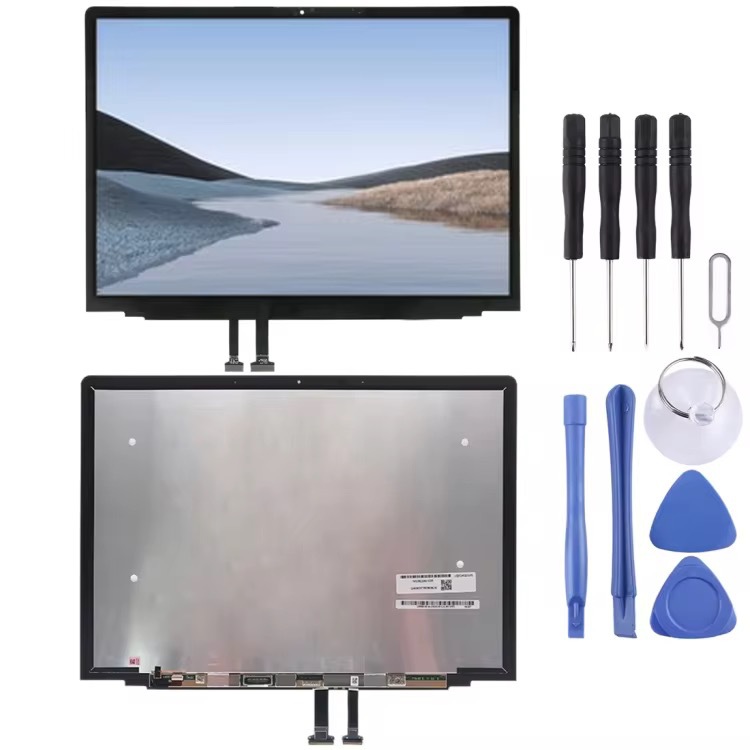
Factory-direct iPhone 13 Series Screens for repair shops, refurbishers and parts distributors, shipped from Shenzhen.
Stocked for the line from iPhone 13 through iPhone 13 Mini. New panels are listed as models launch, and each listing states the grade in plain terms.
- Peak brightness verified against the grade claim
- Mixed models consolidated into one shipment
- Colour and brightness checked across the batch, not just one sample
- Barcode labels printed to your SKU list on request
- Retained reference sample kept against every reorder
23 Products
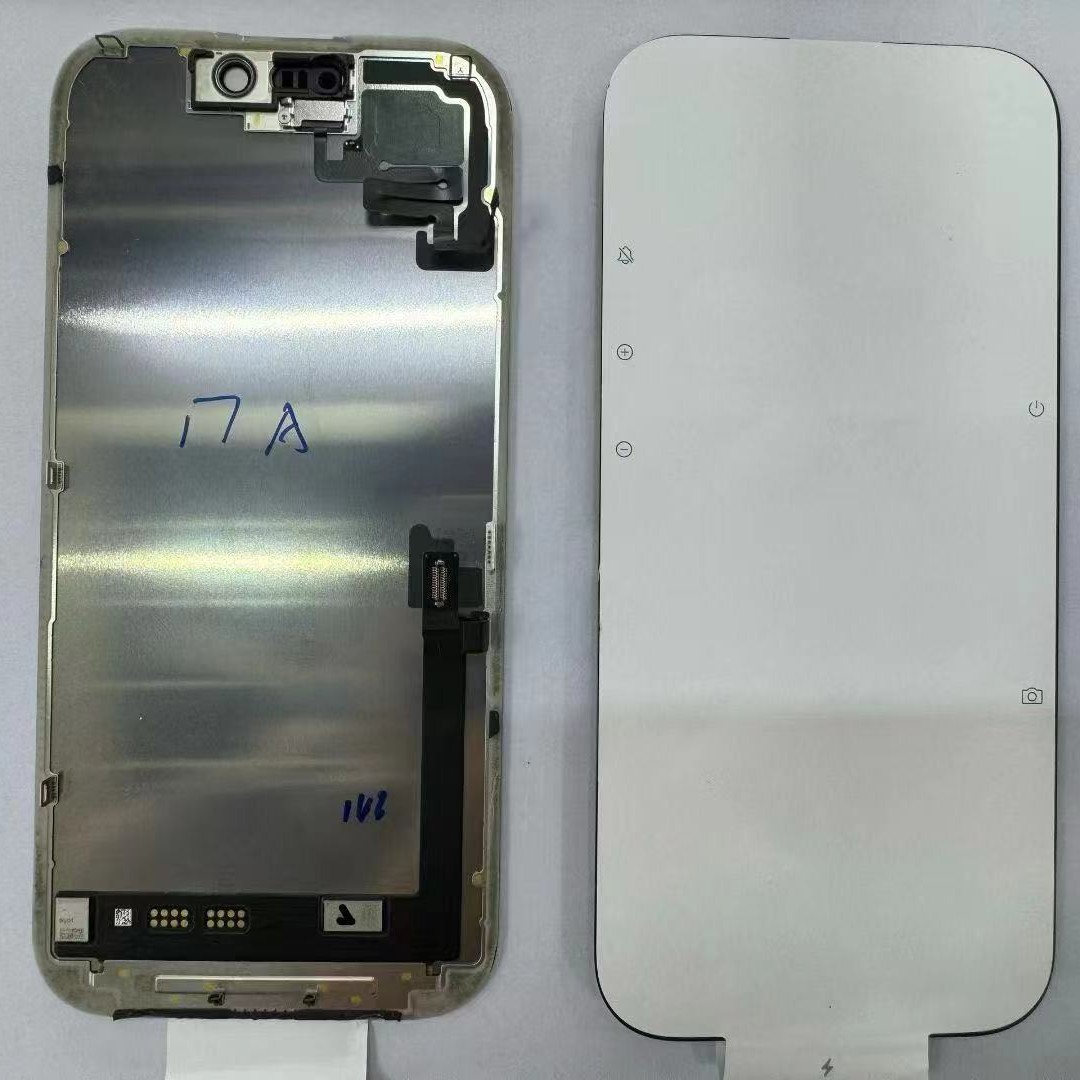
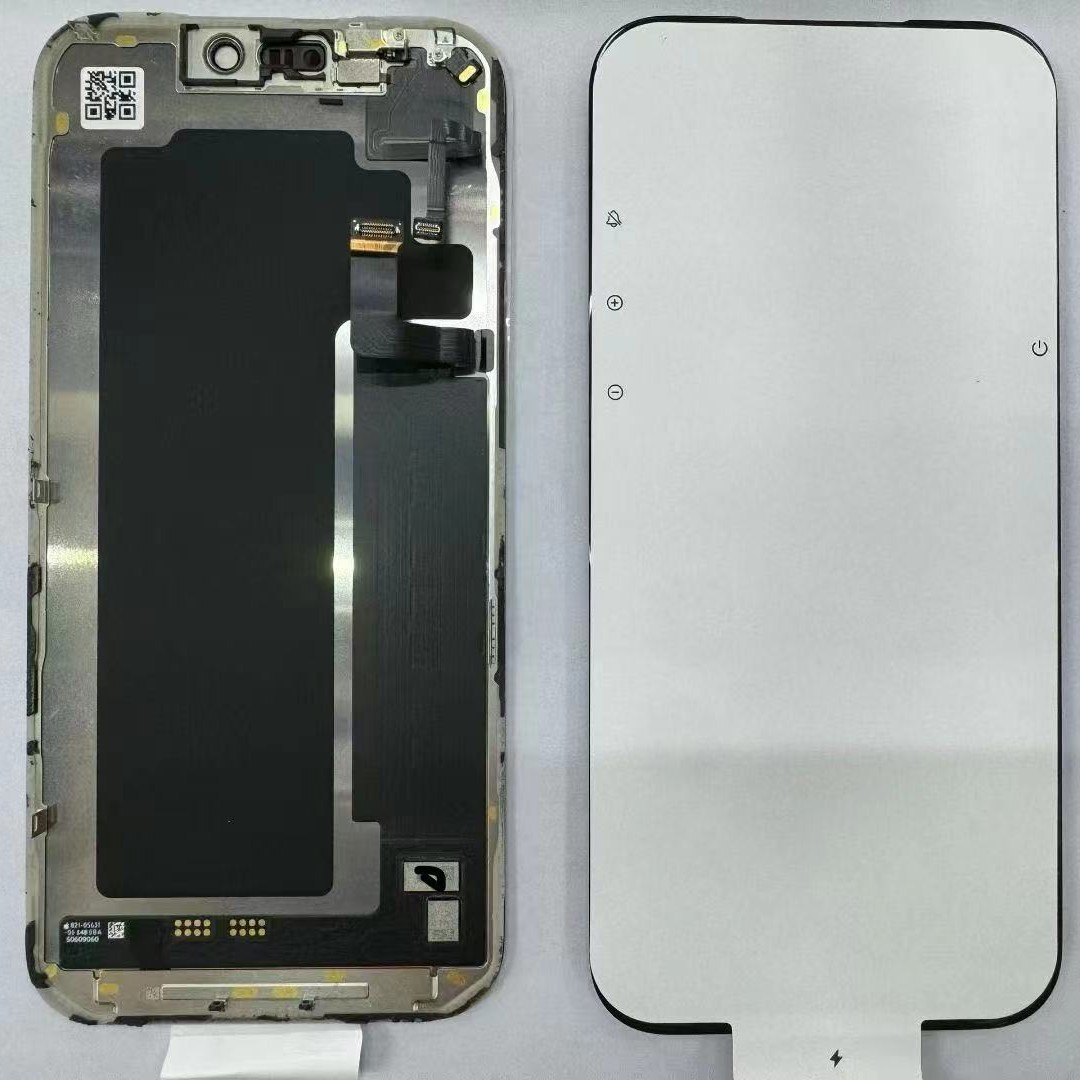
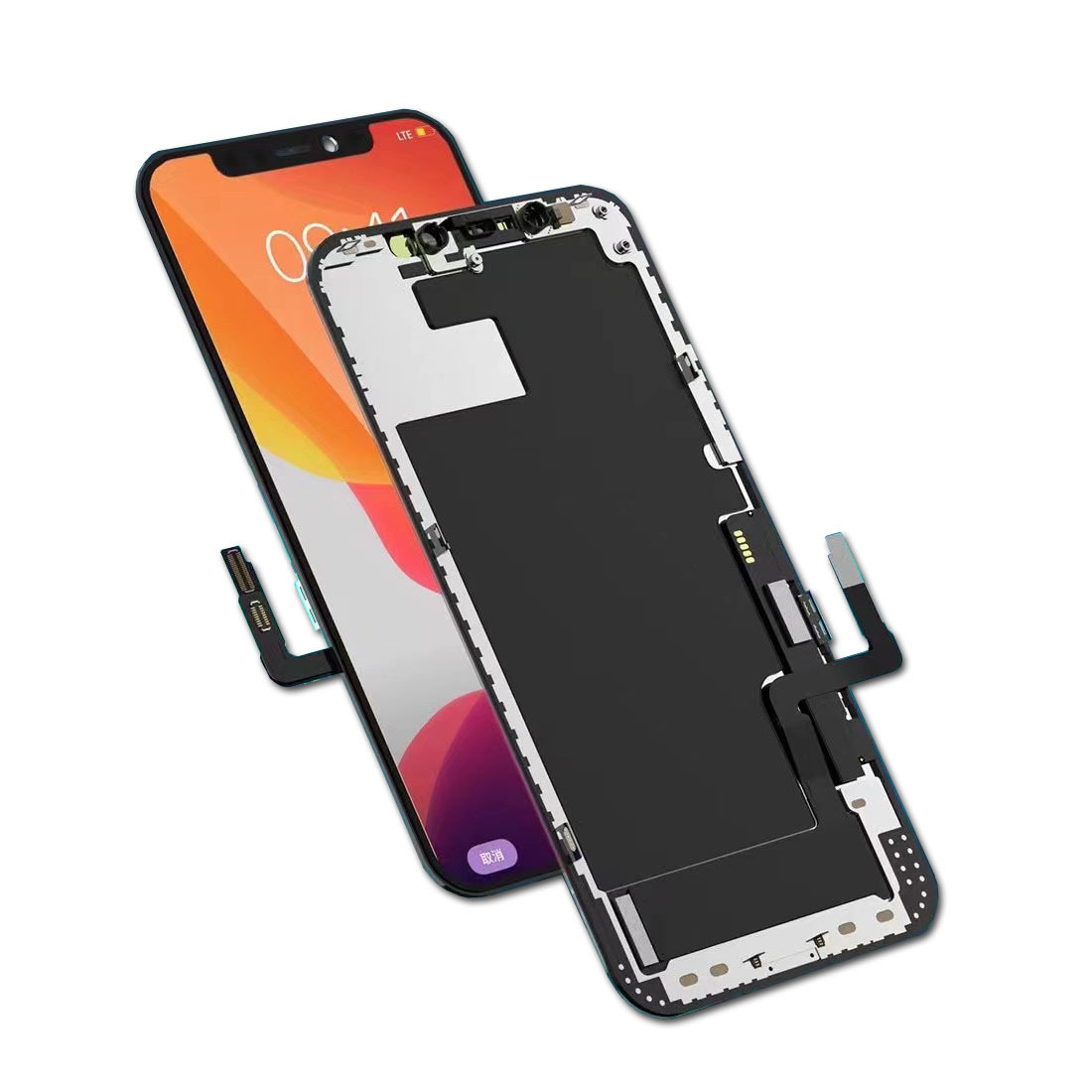
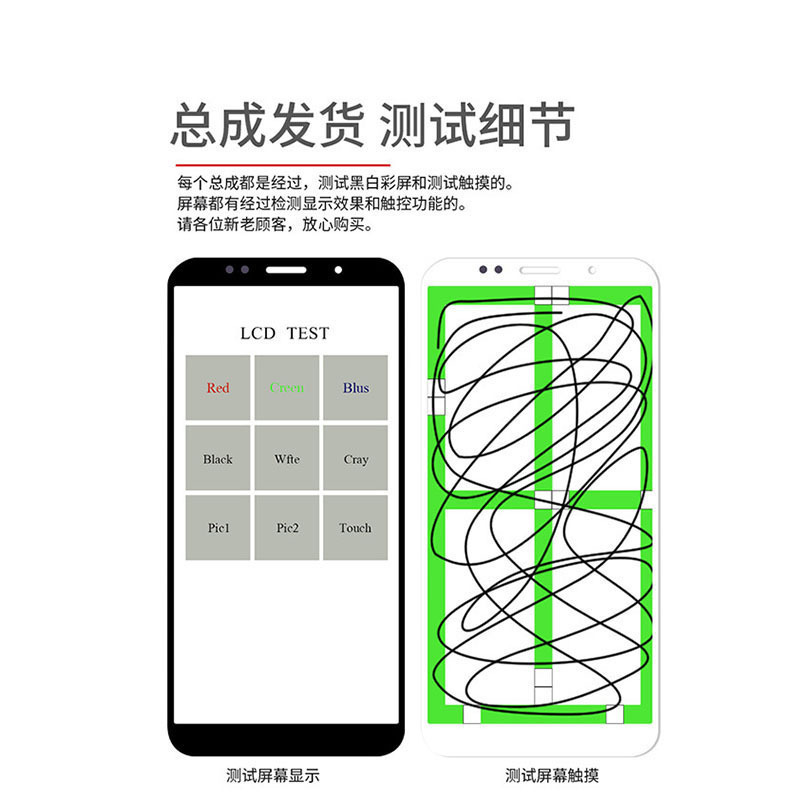
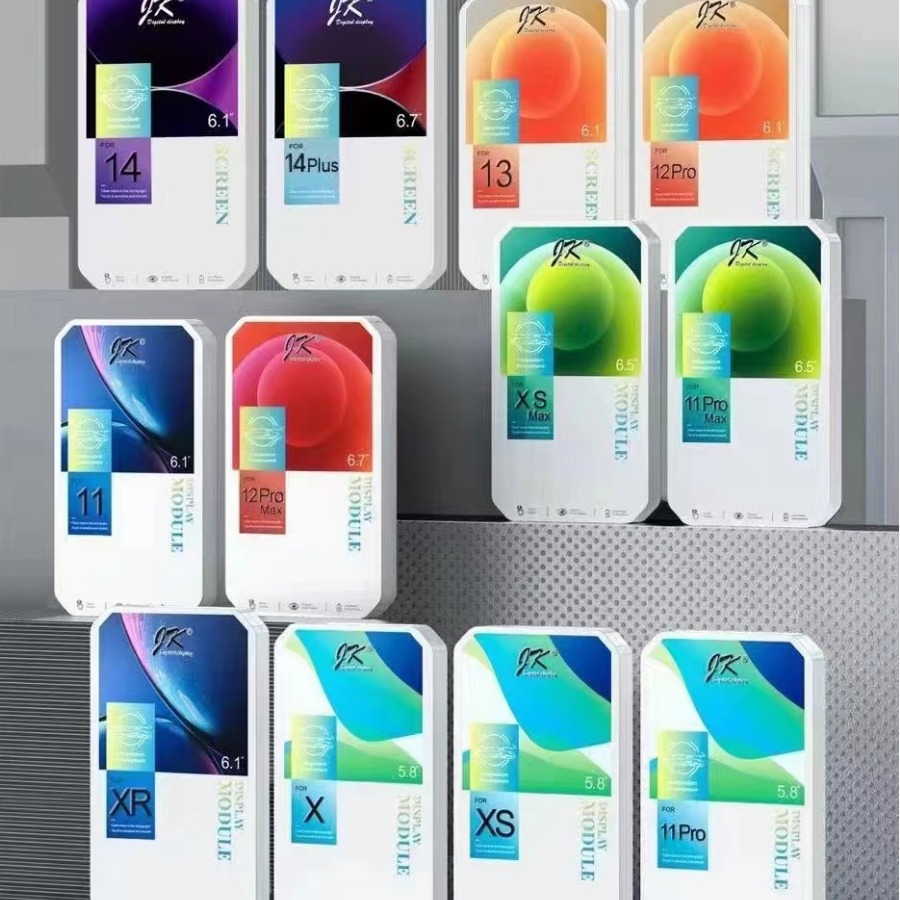
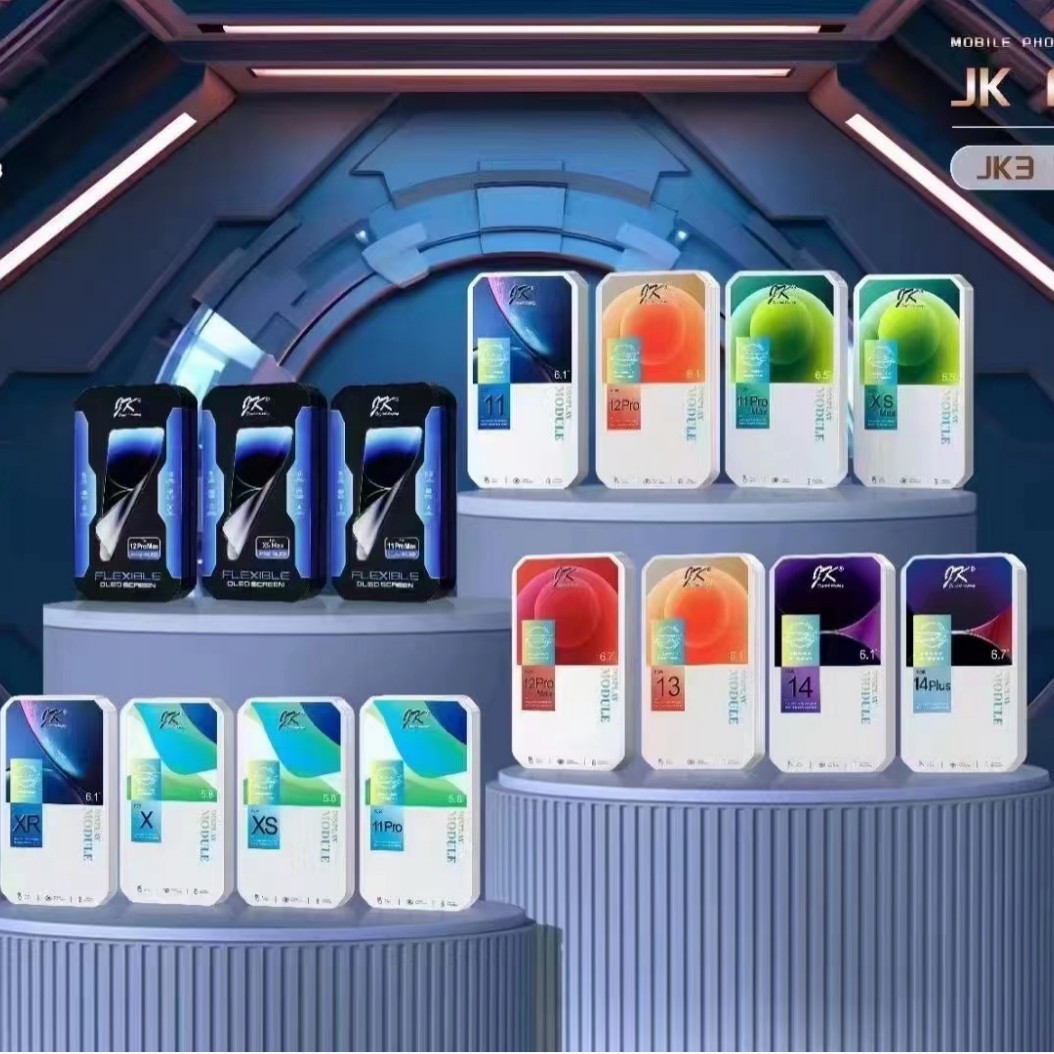
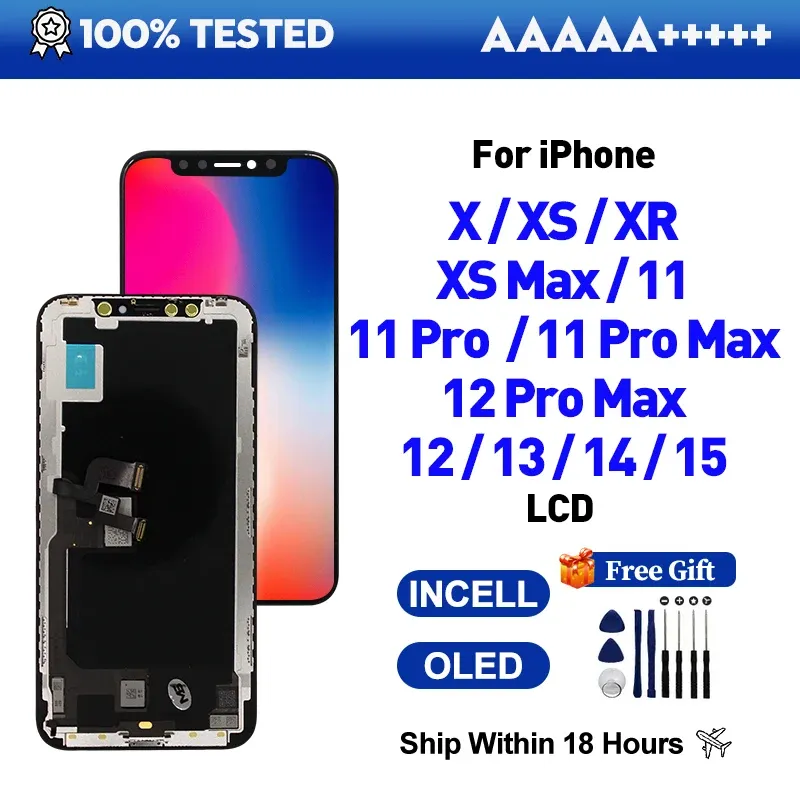
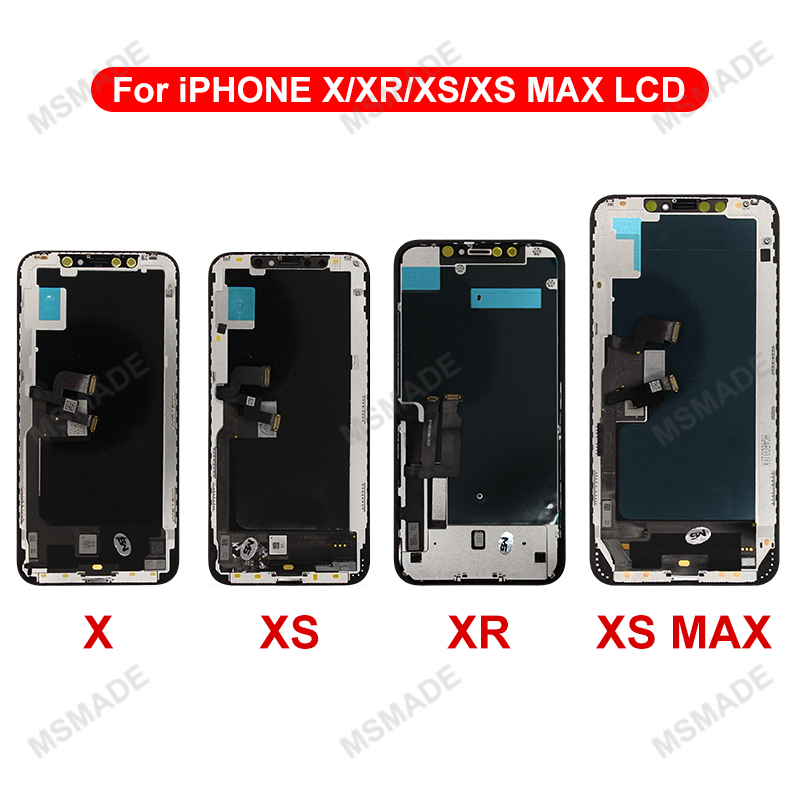
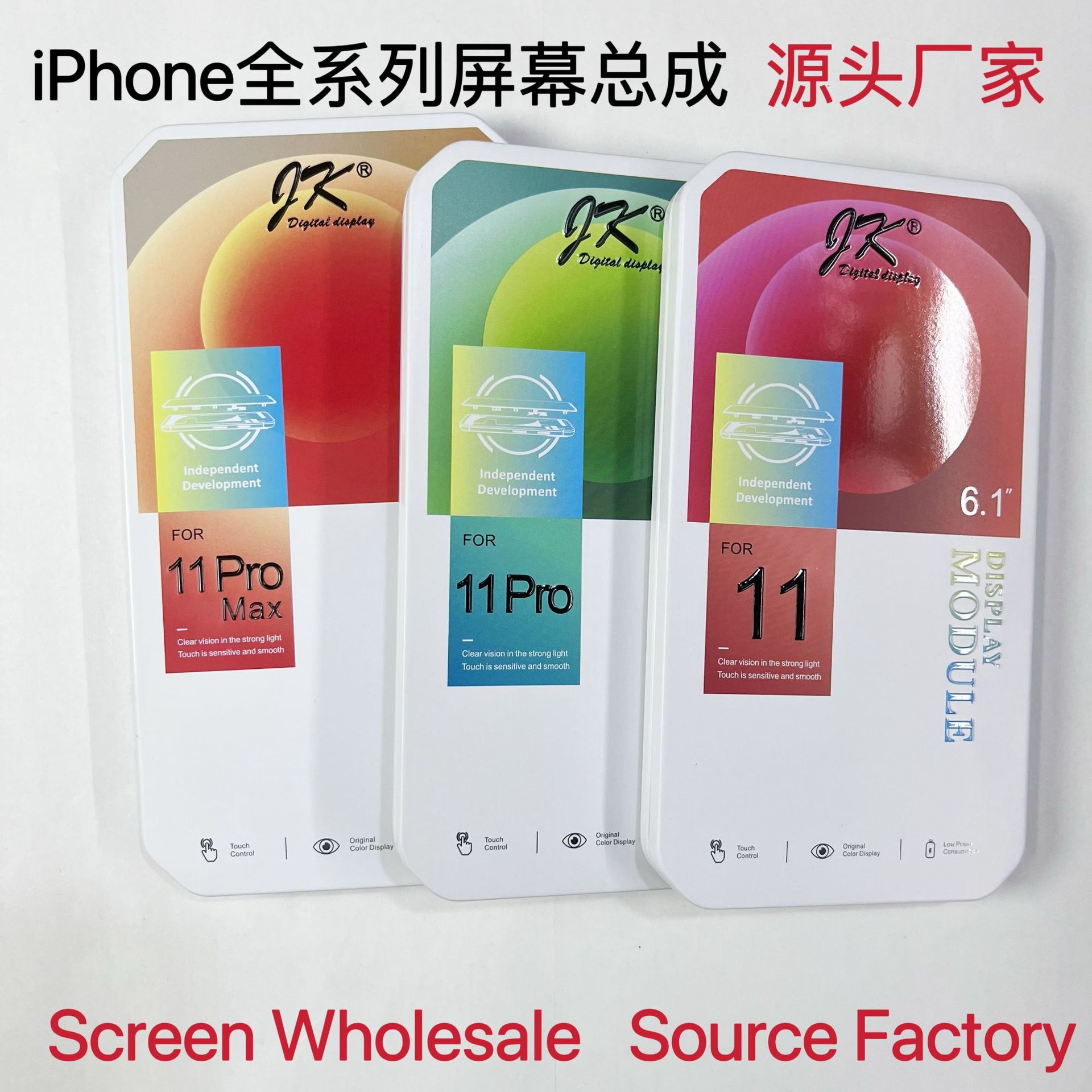
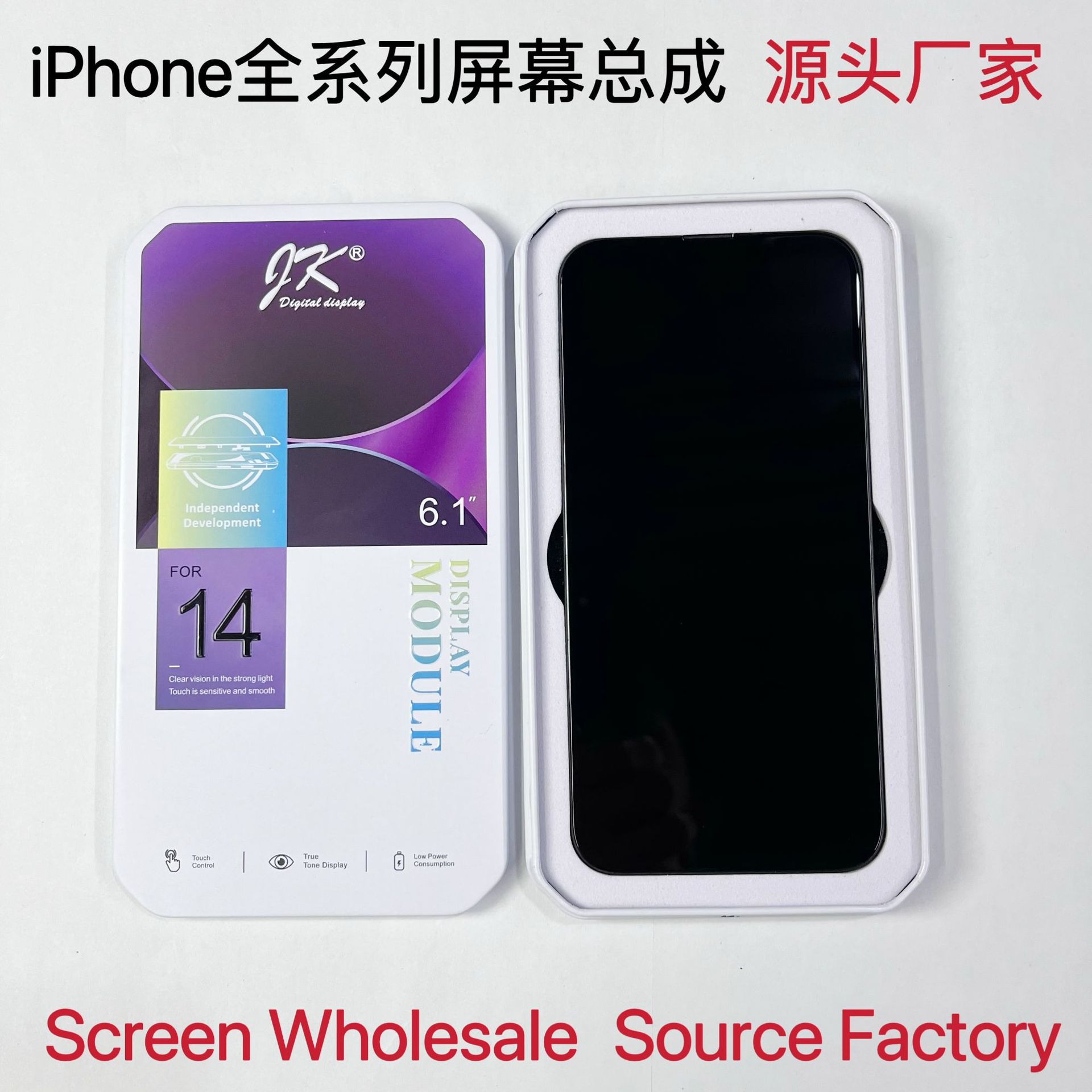
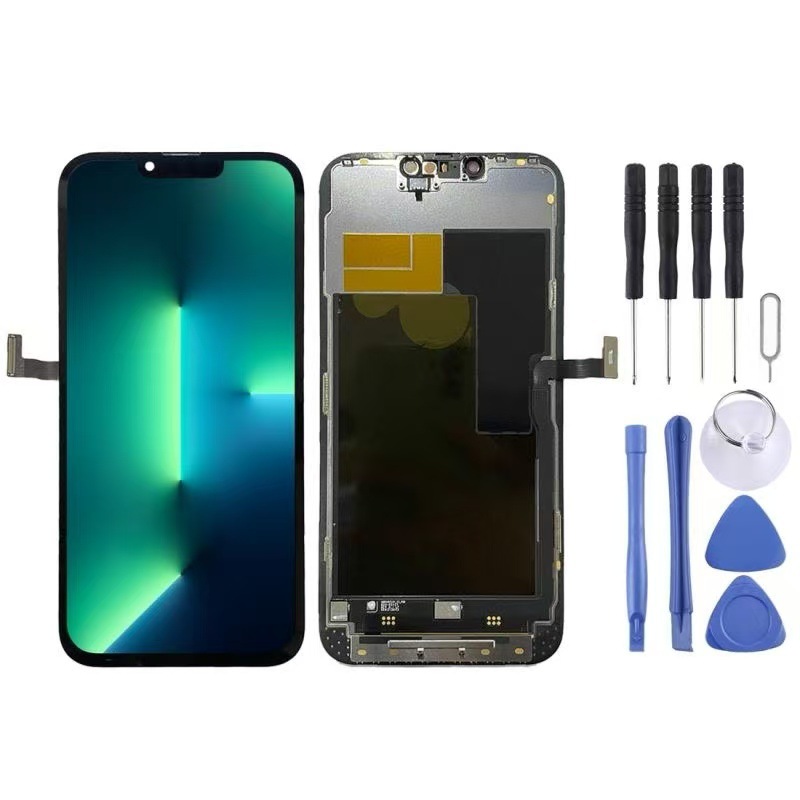
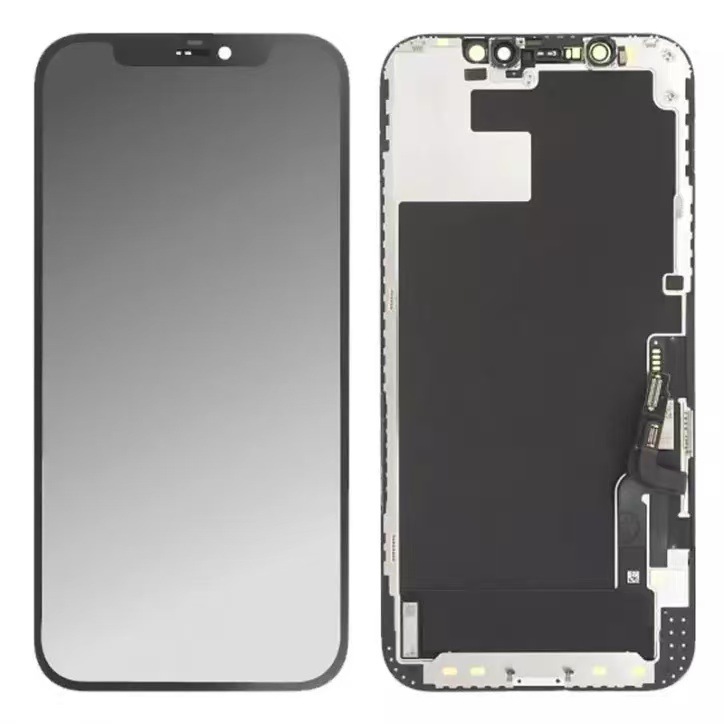
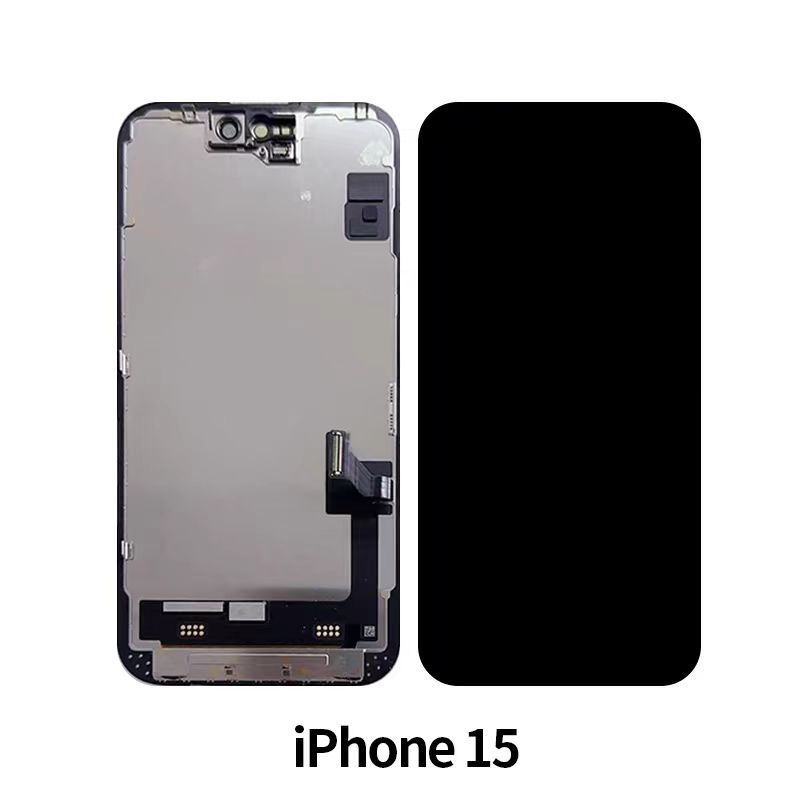
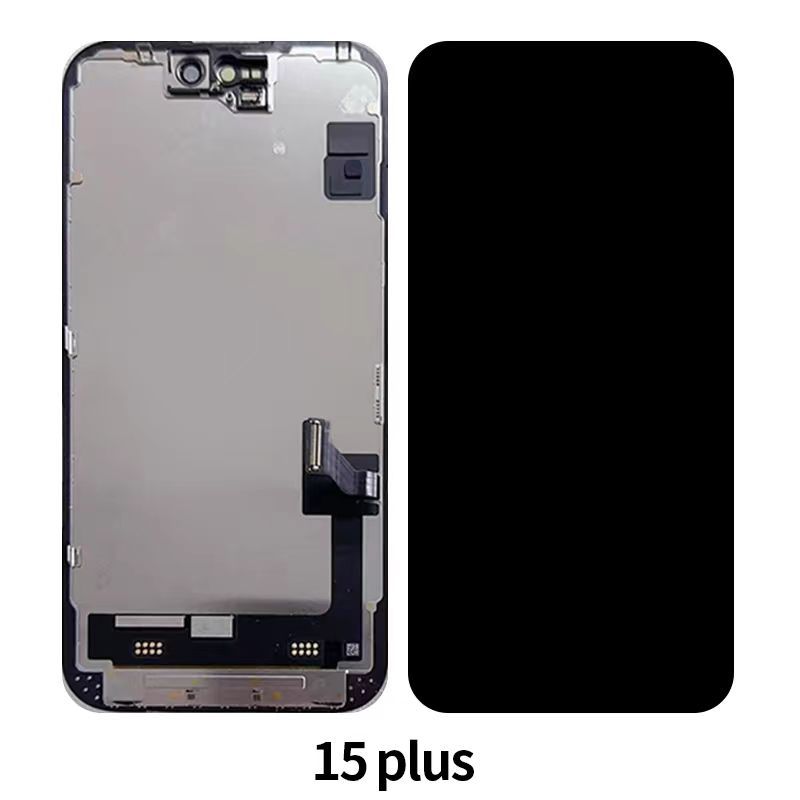
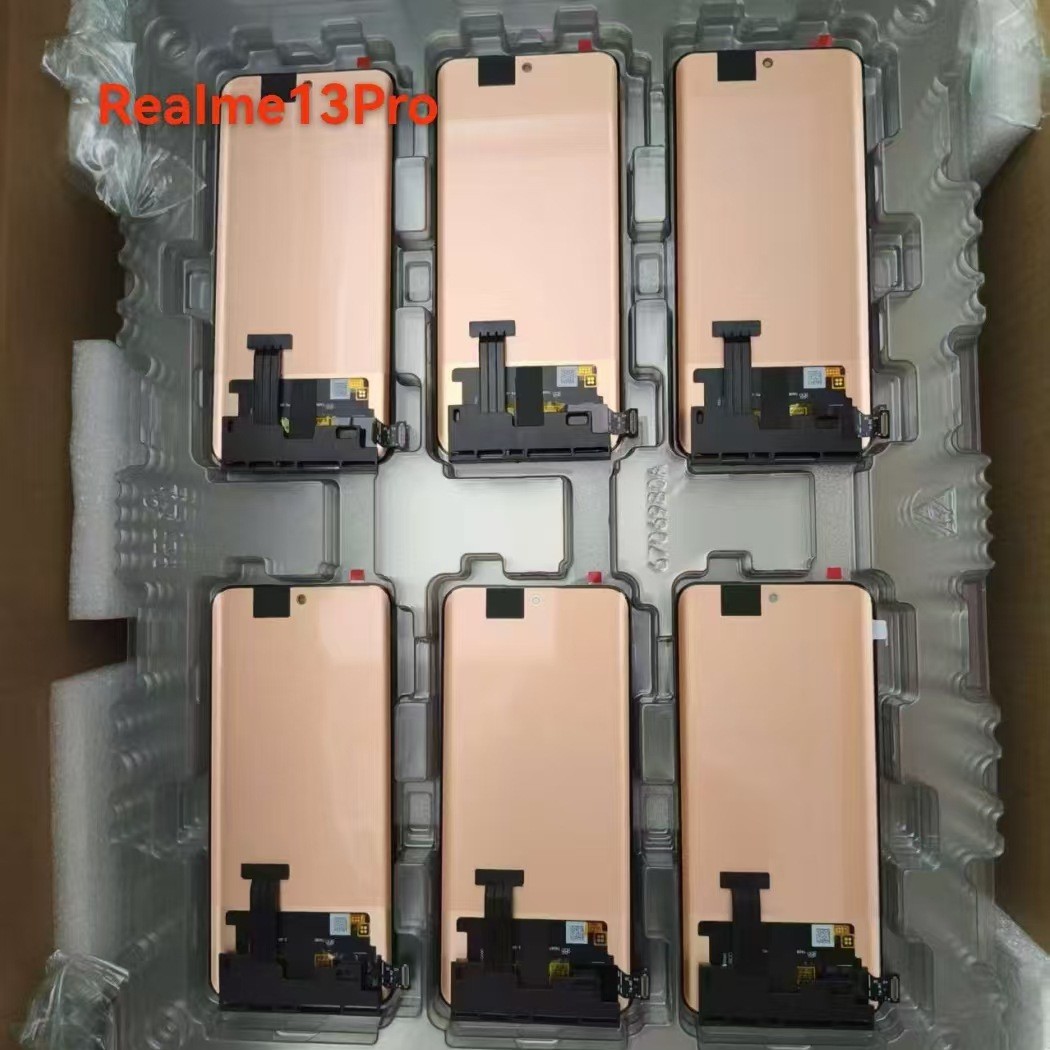
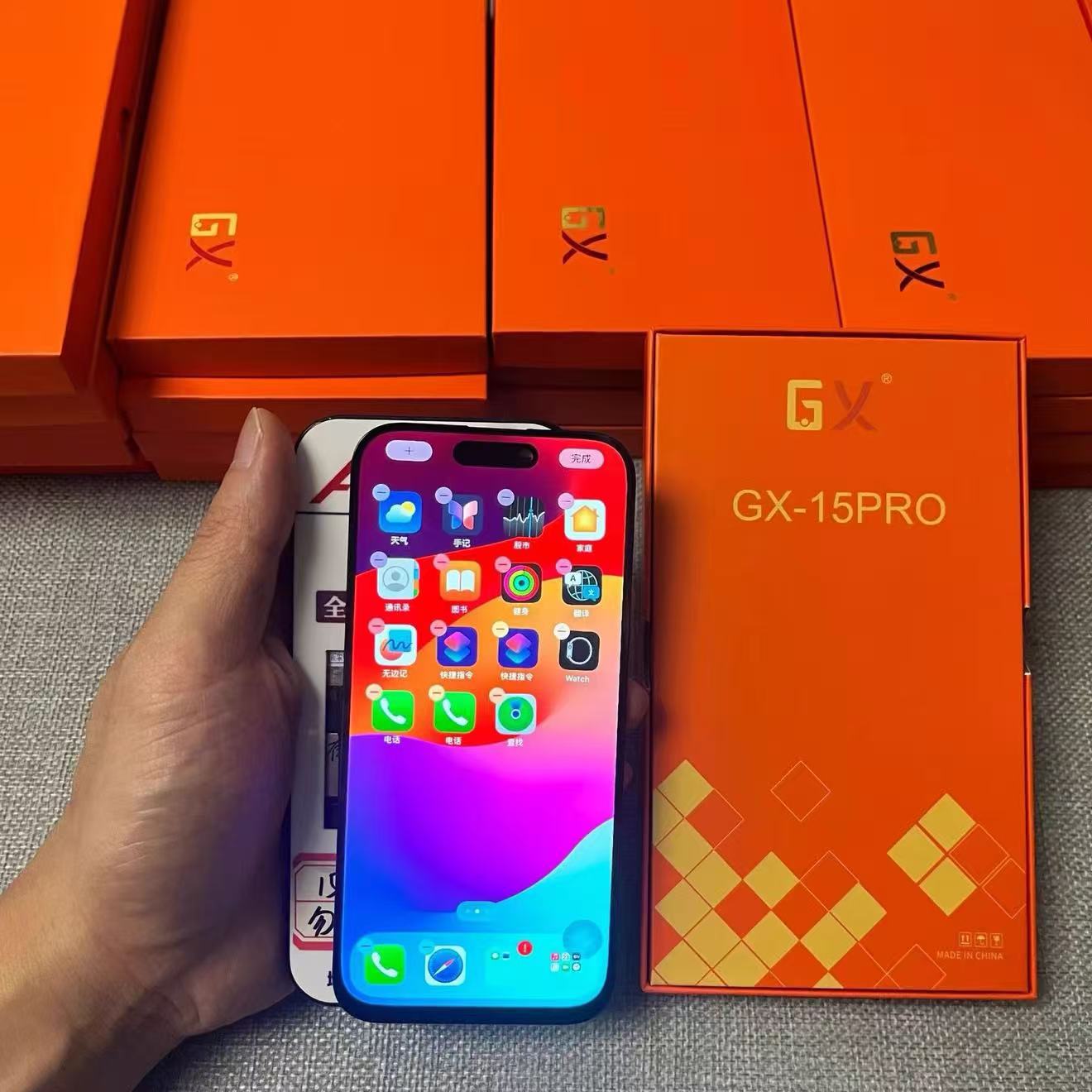
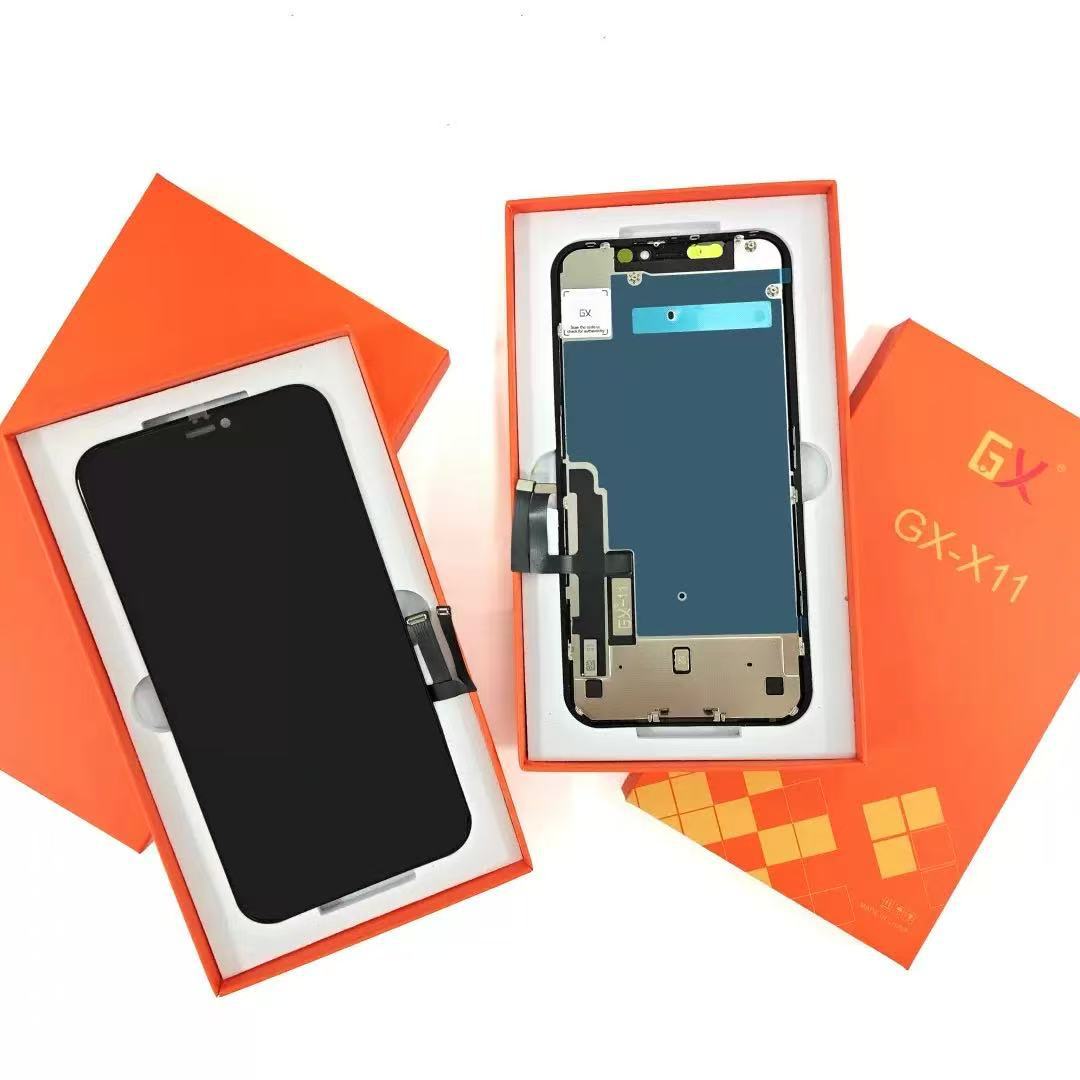
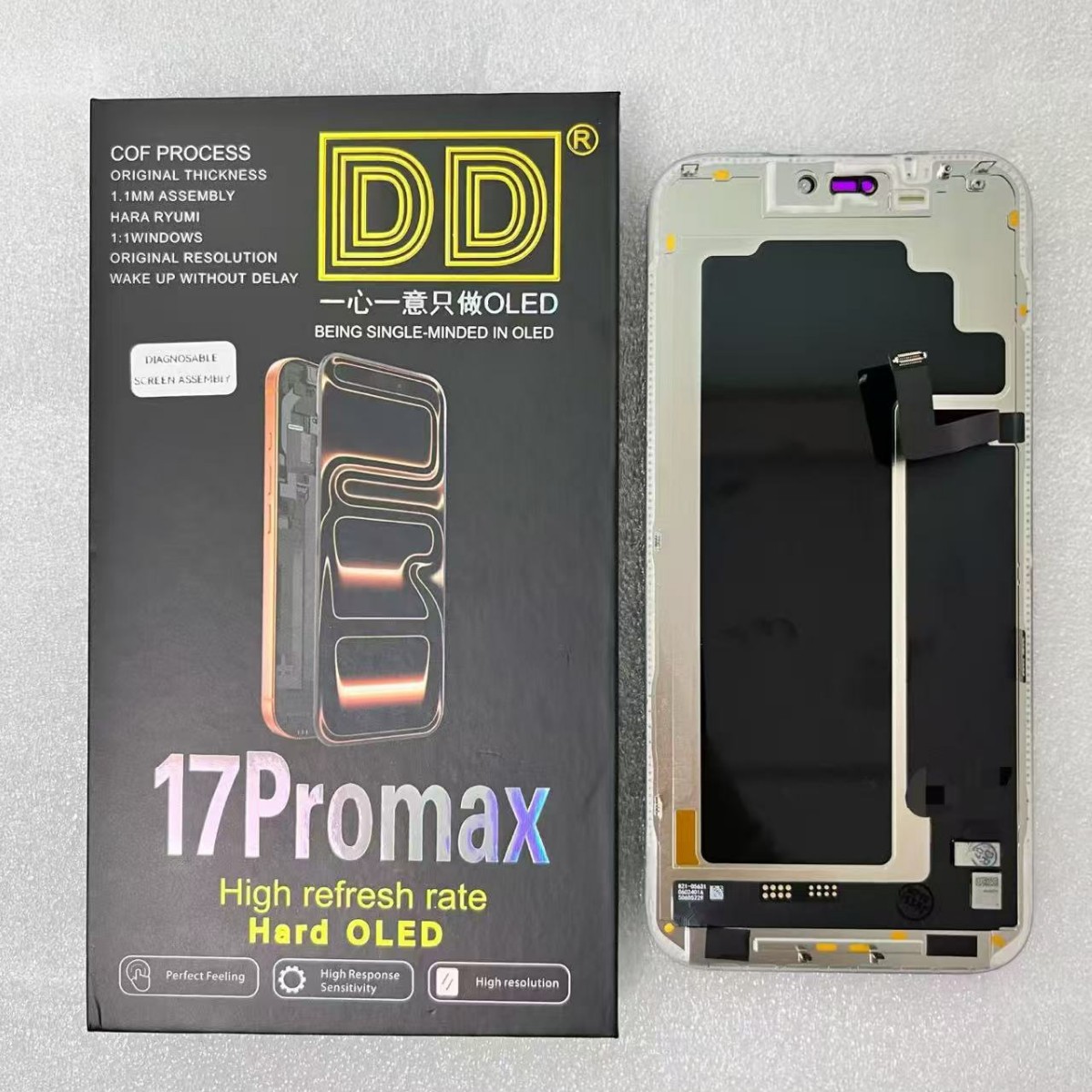
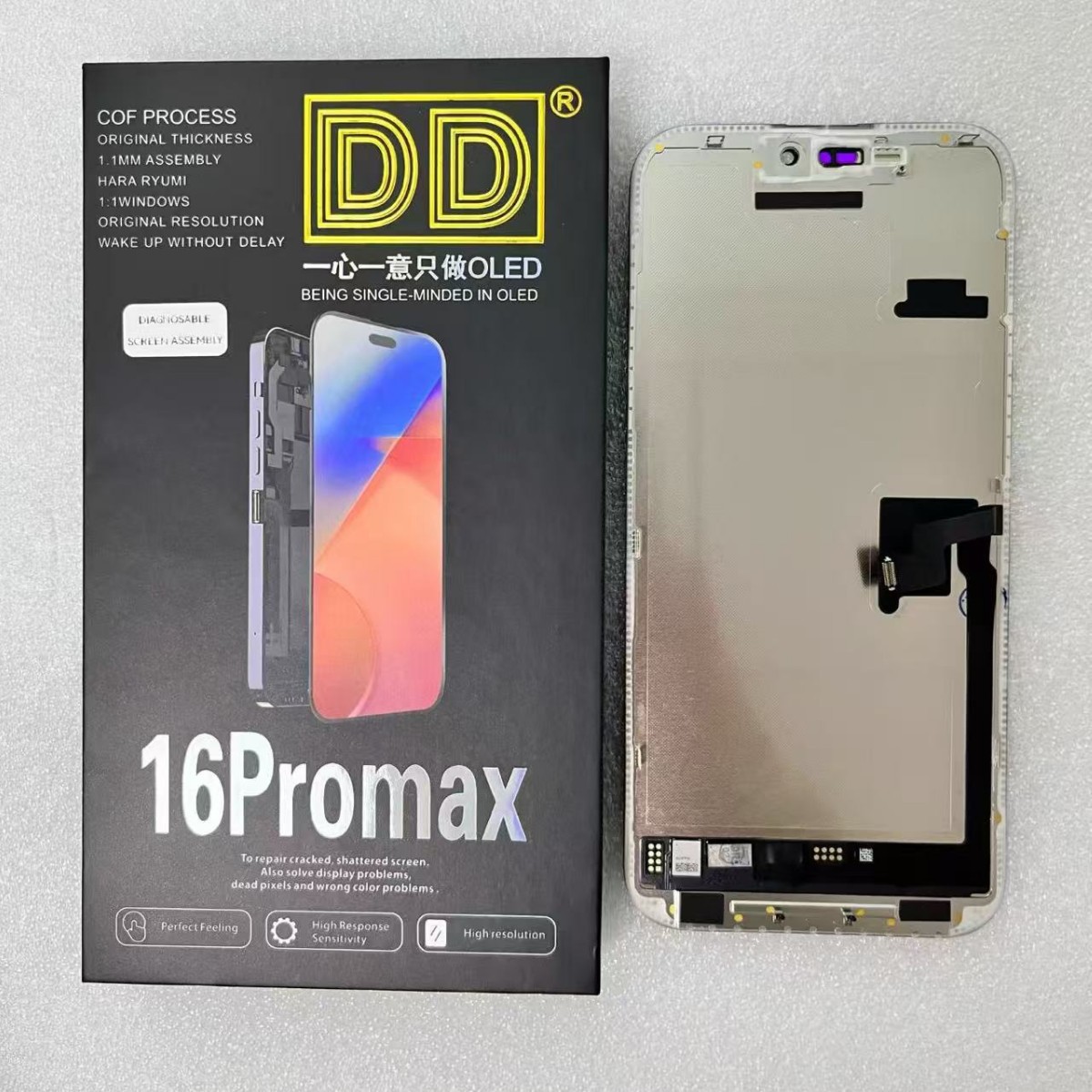
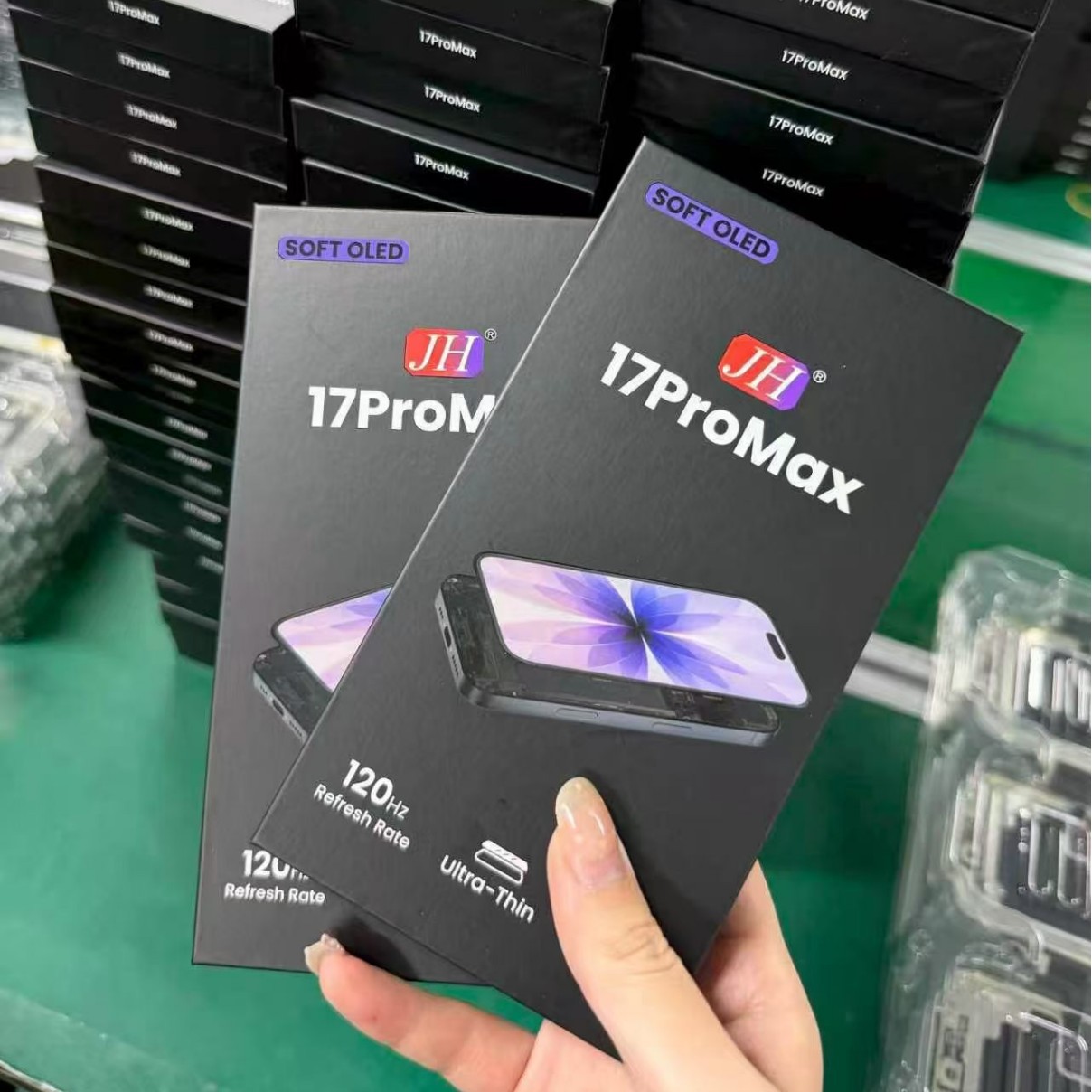
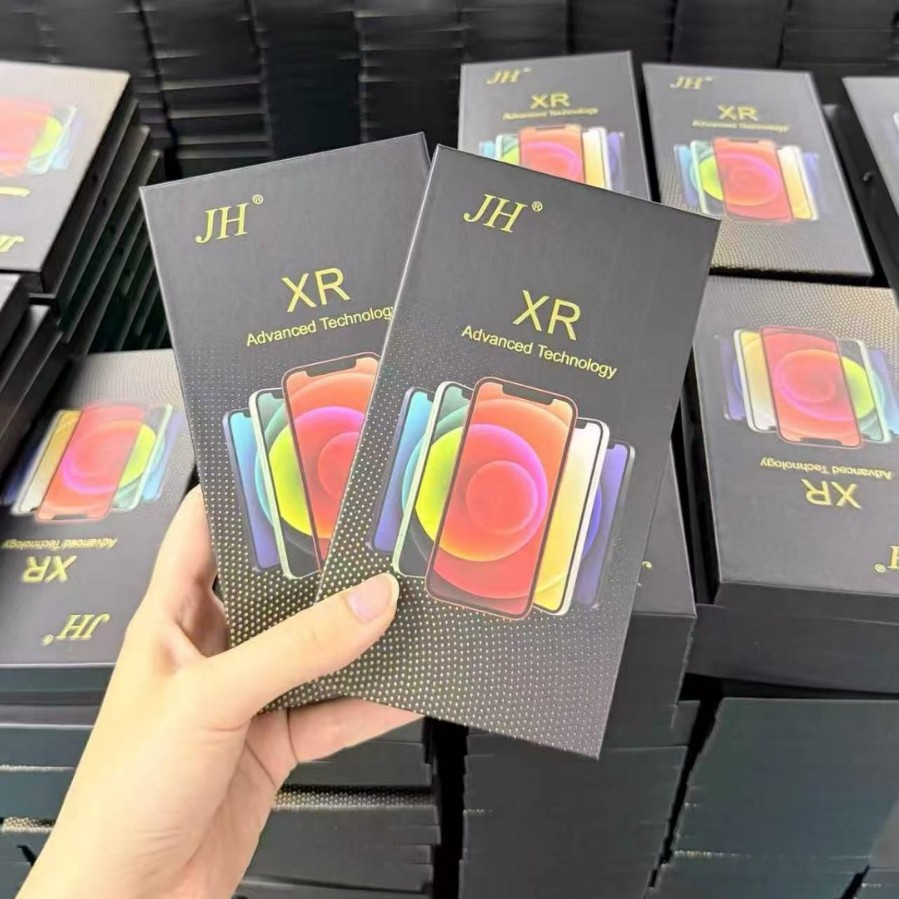
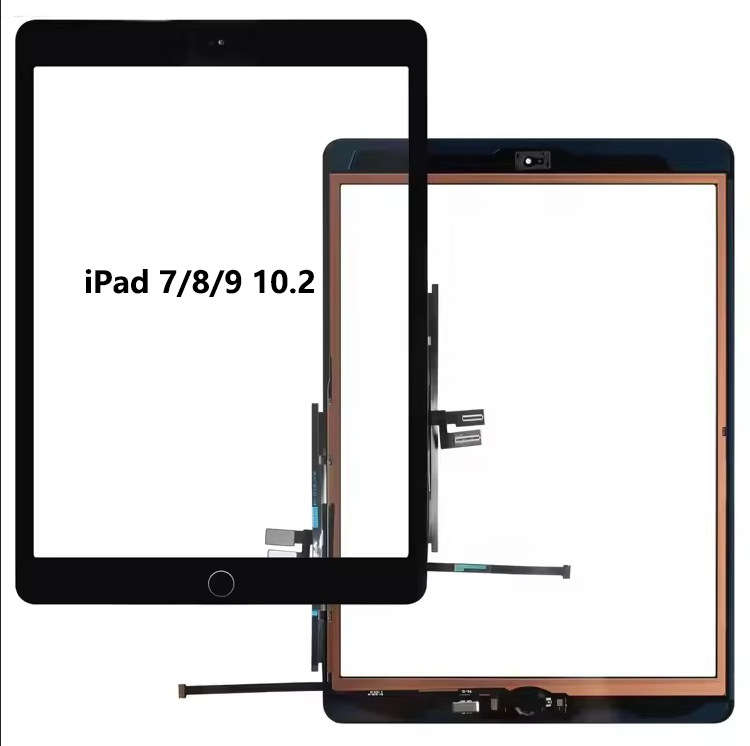
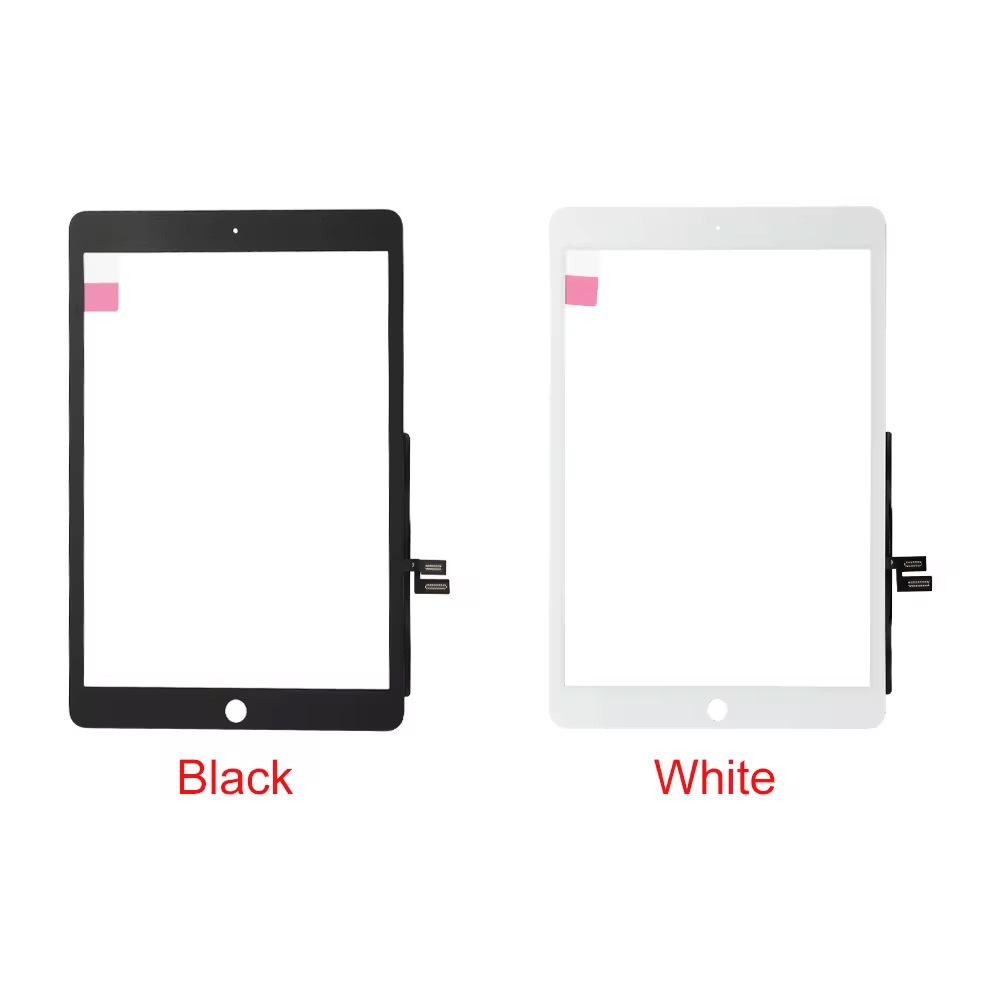
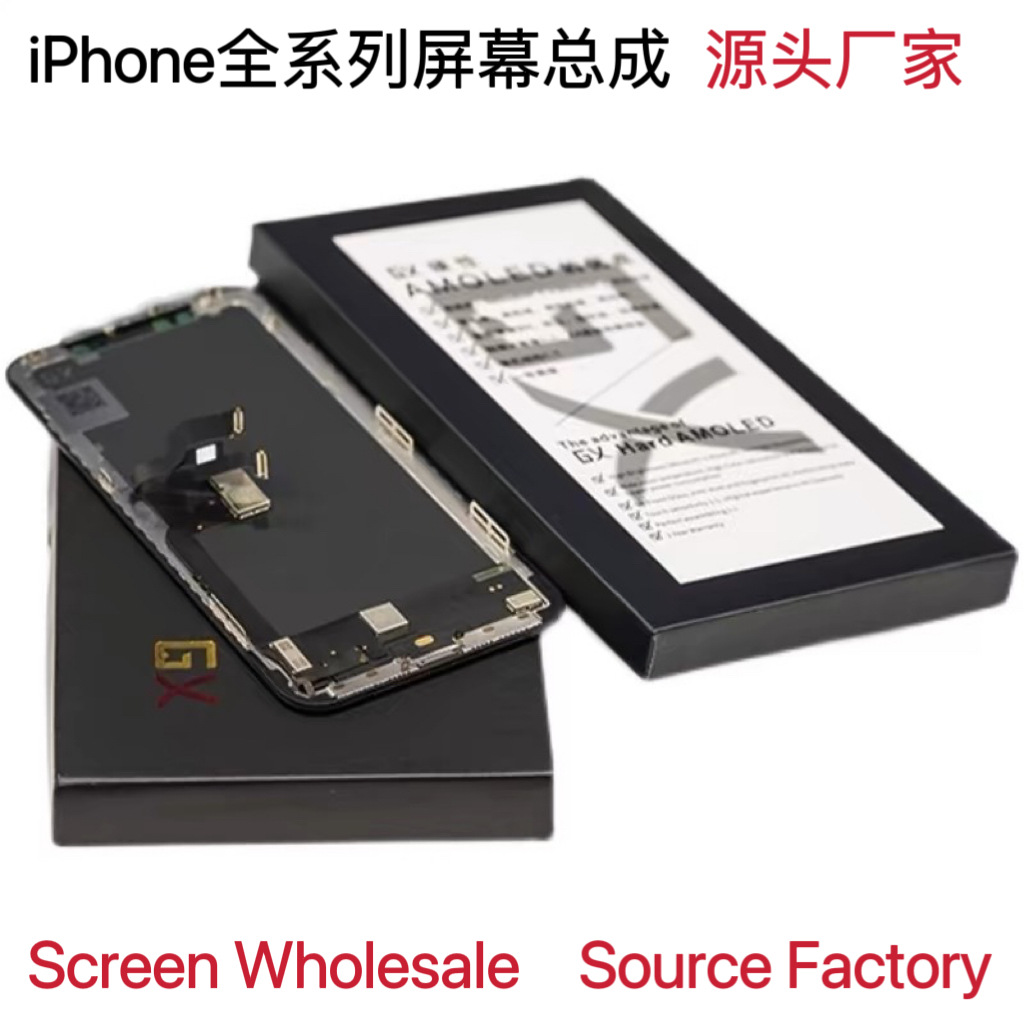
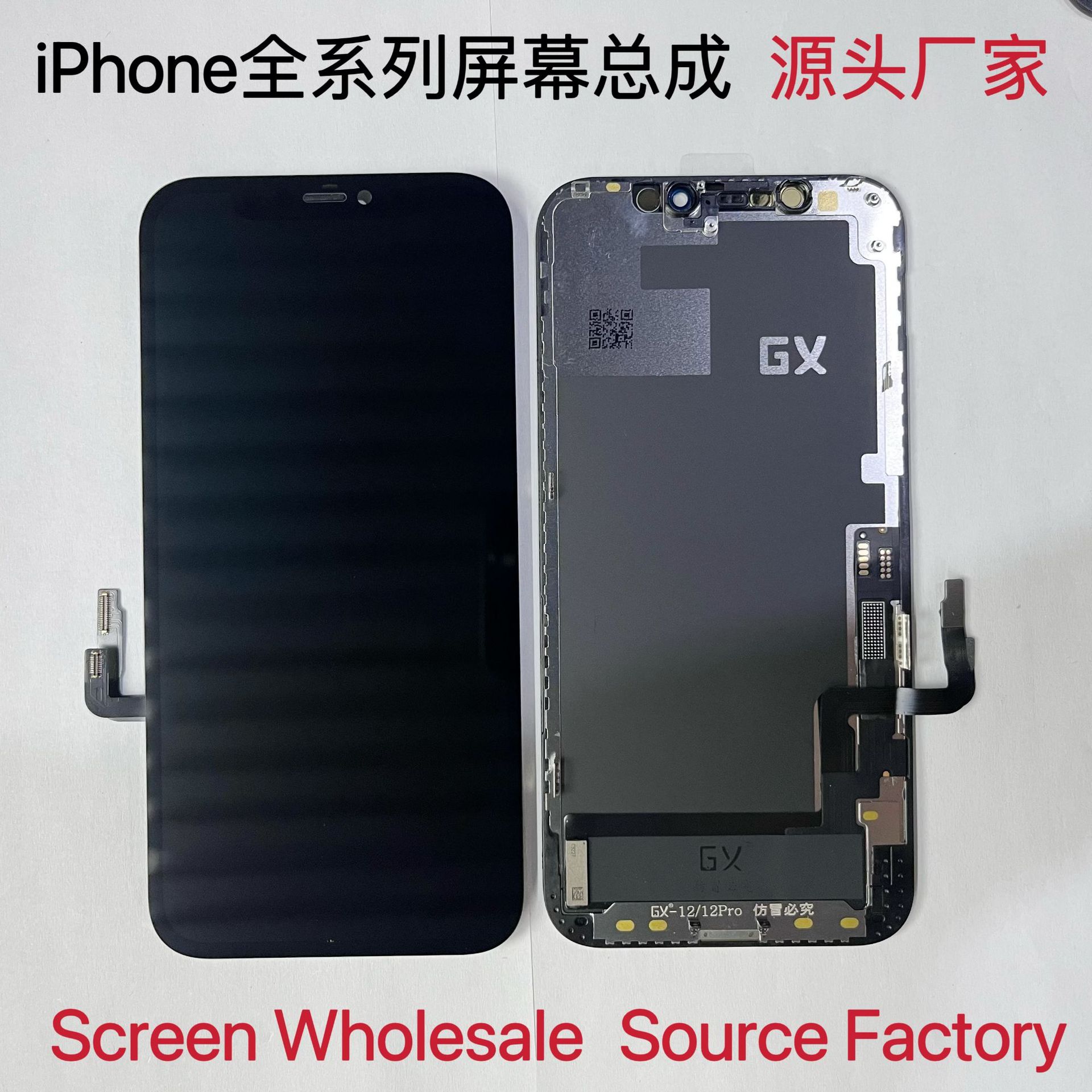
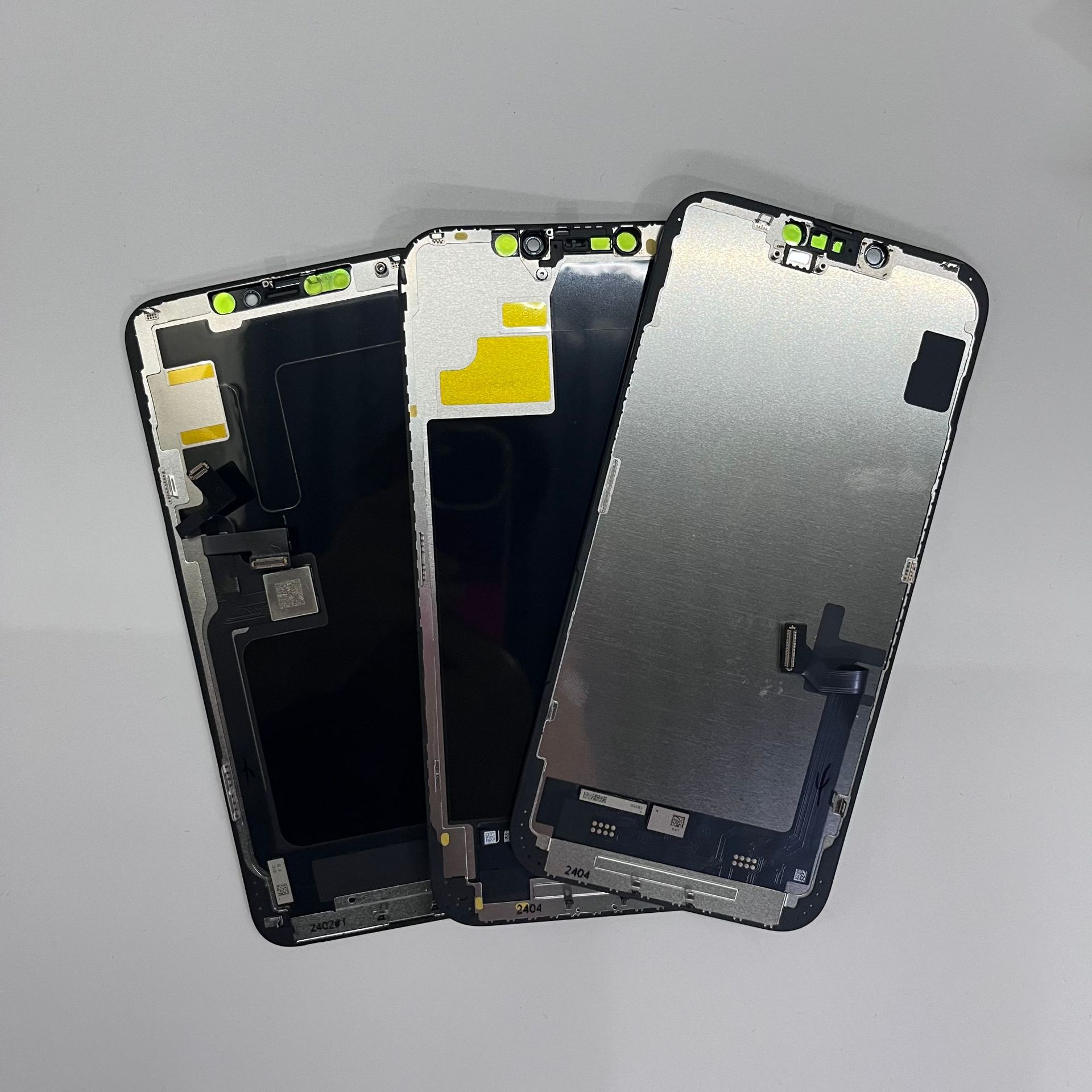
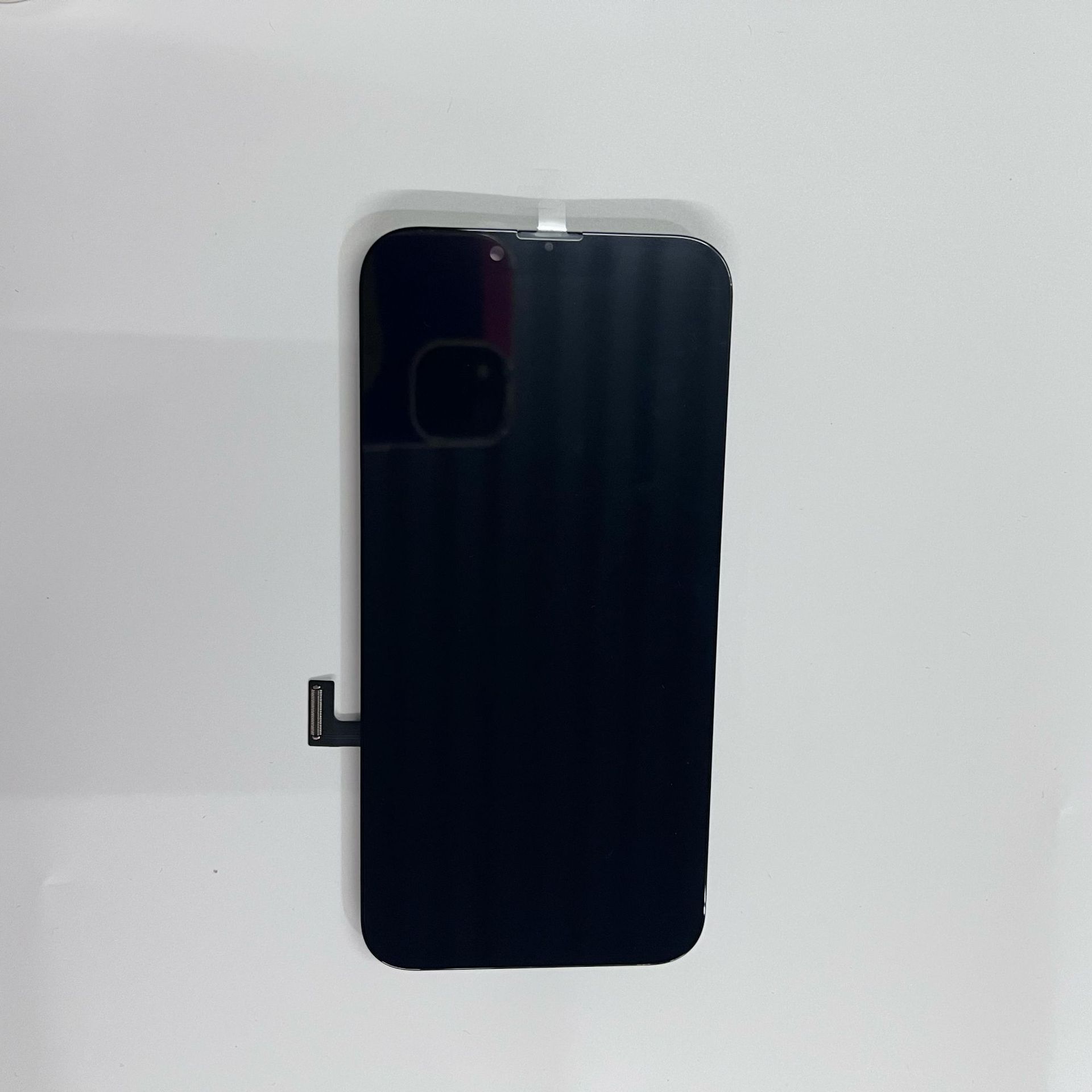
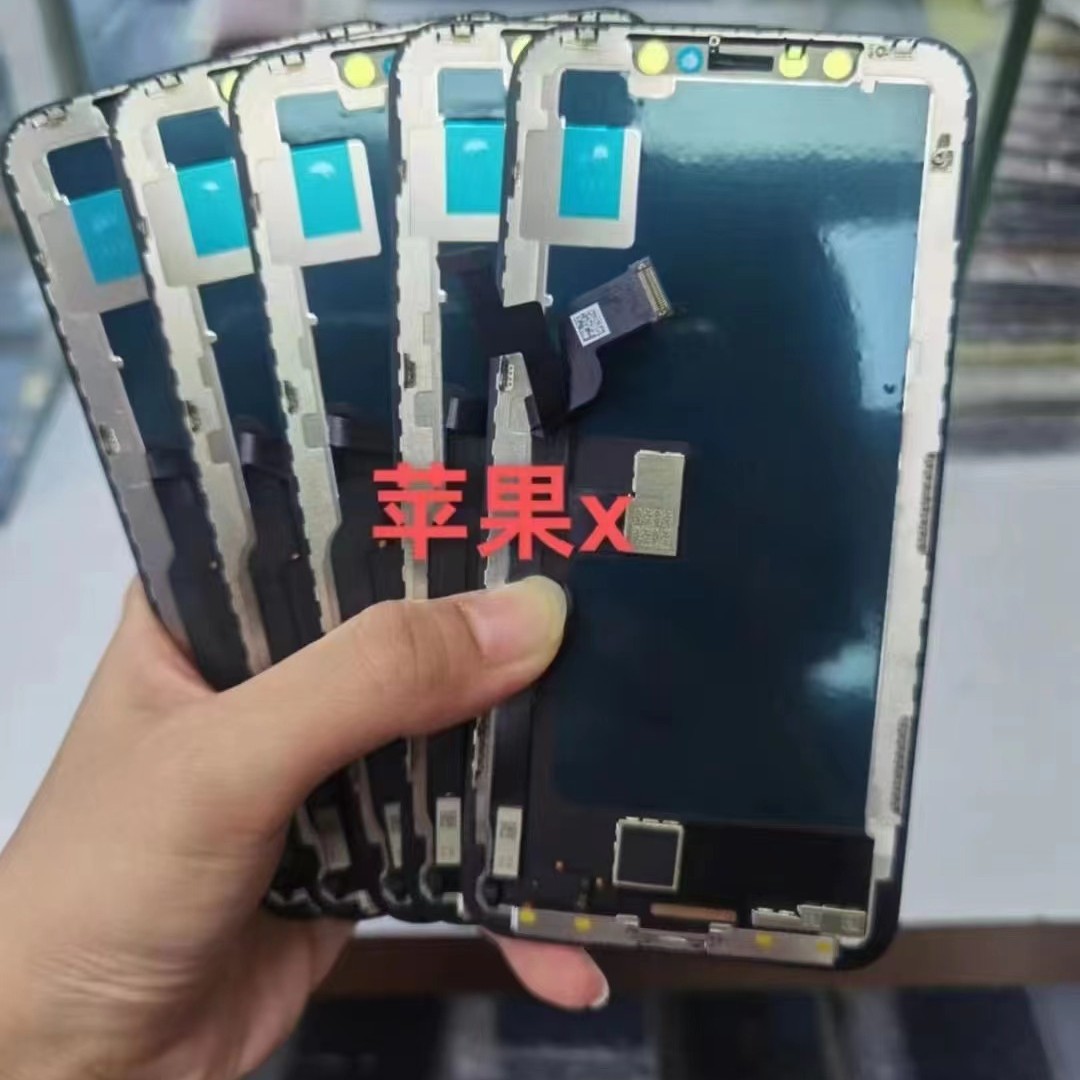
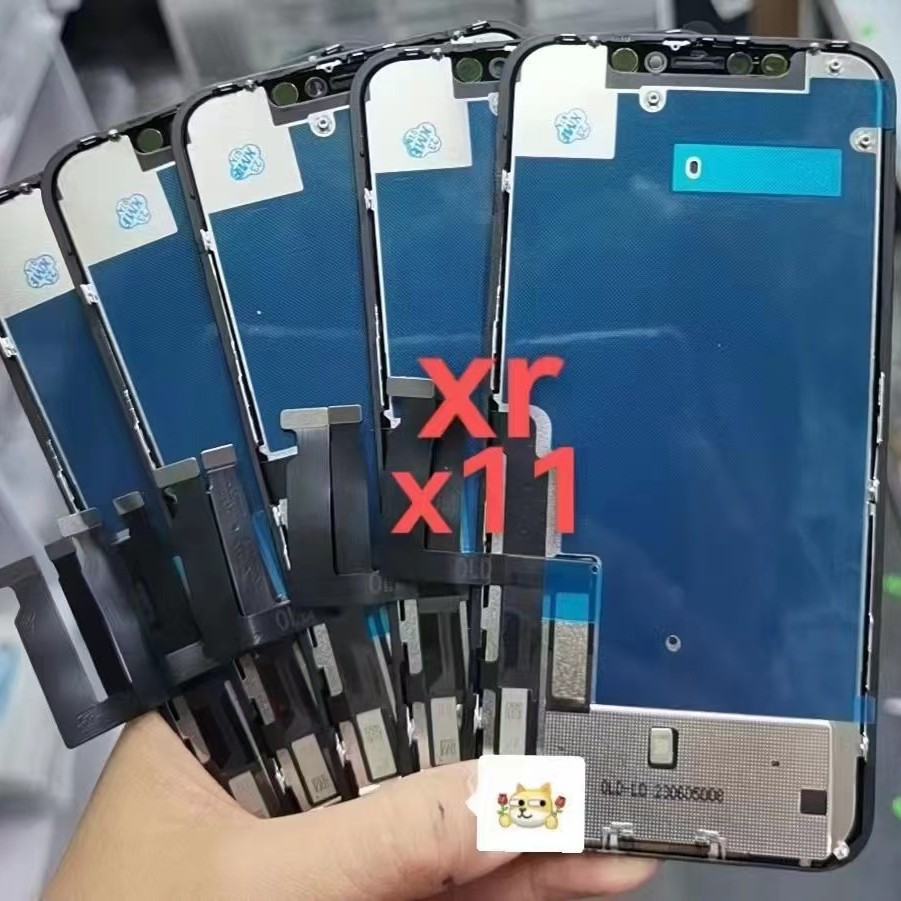
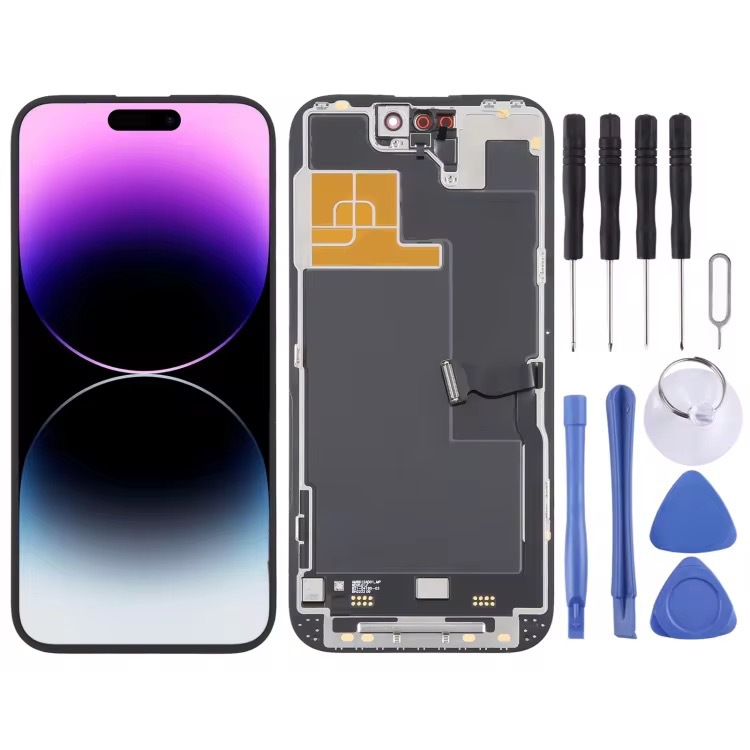
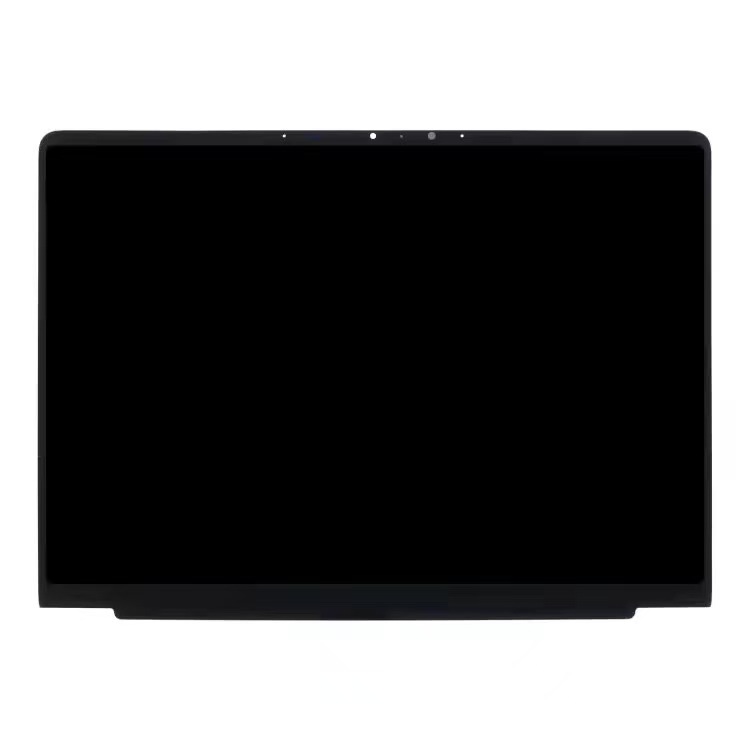
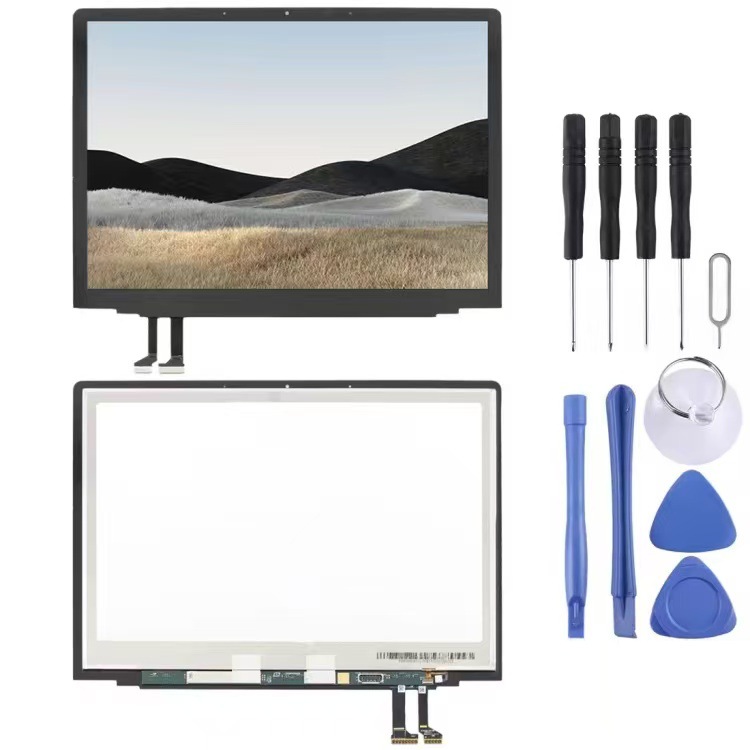
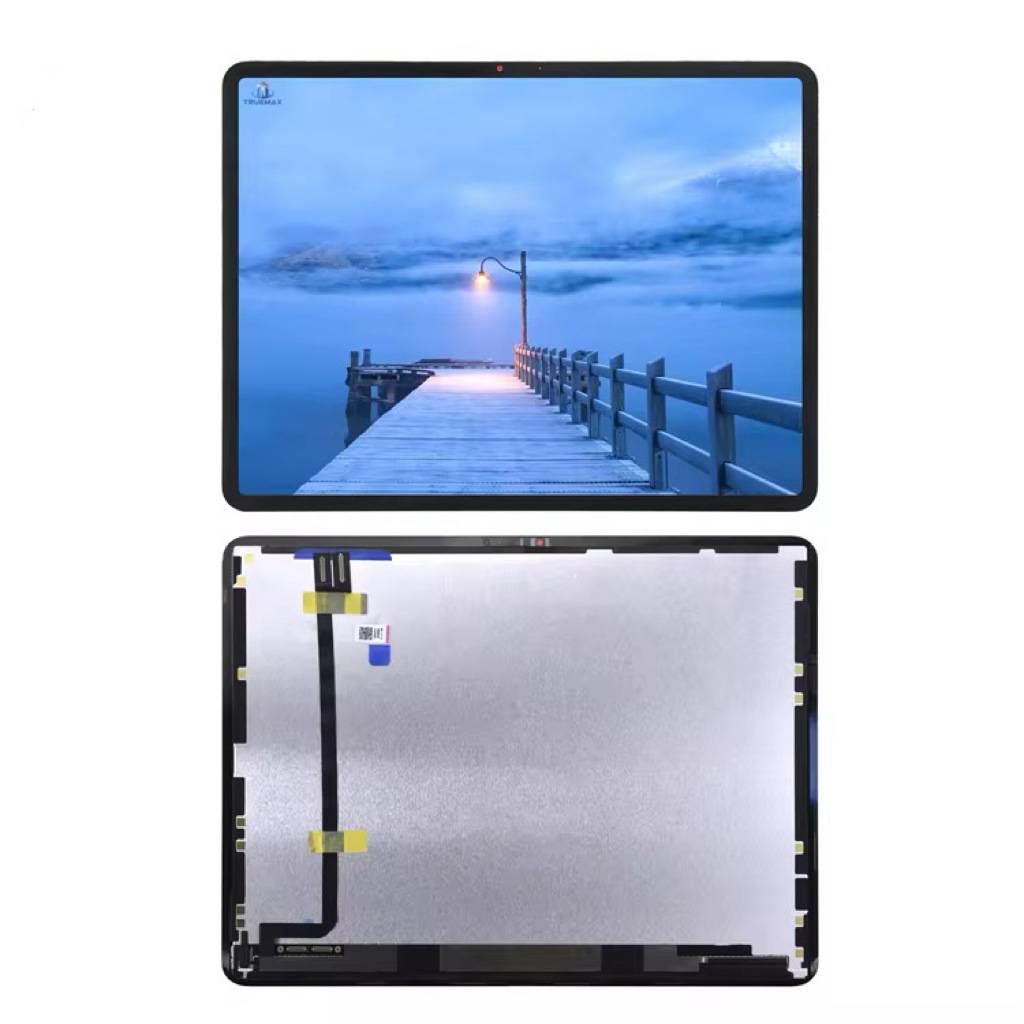
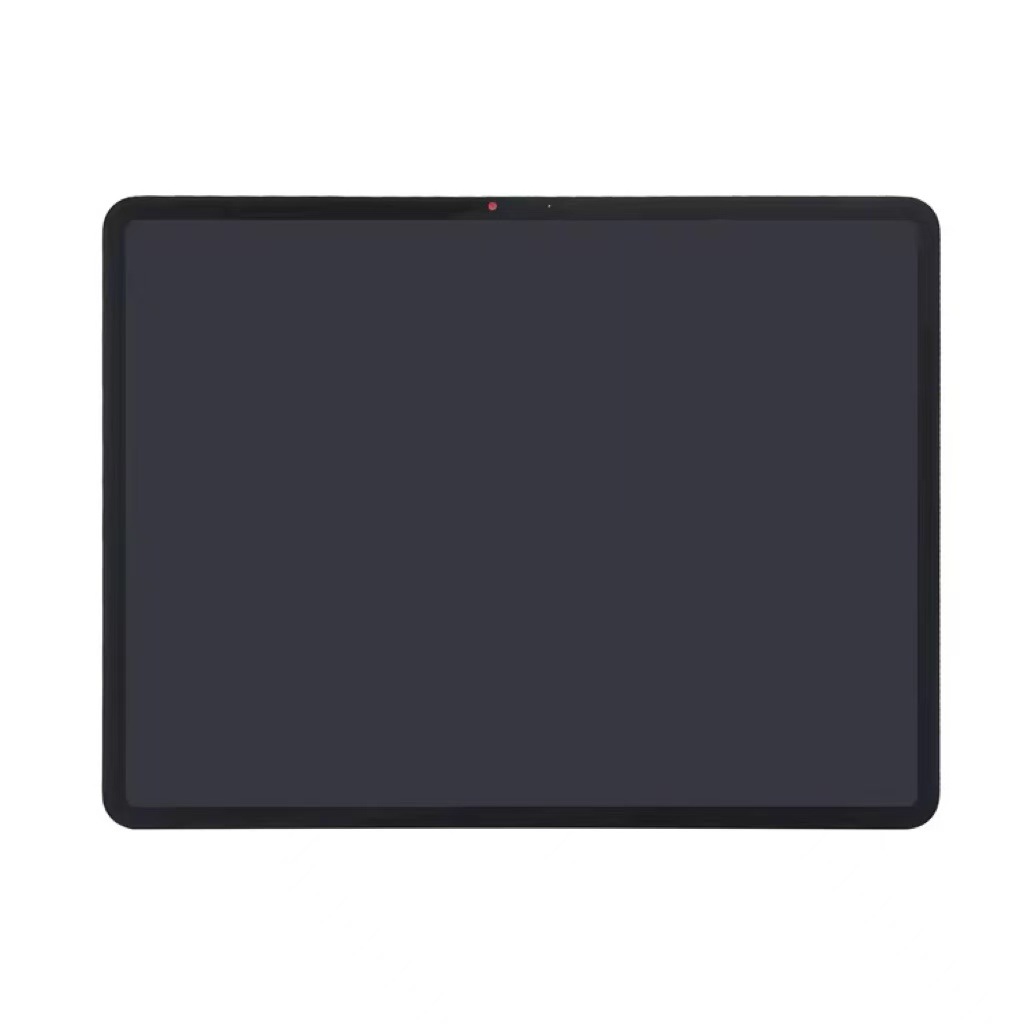
Replacement Screens — wholesale buying guide (iPhone 13 to iPhone 13 Mini)
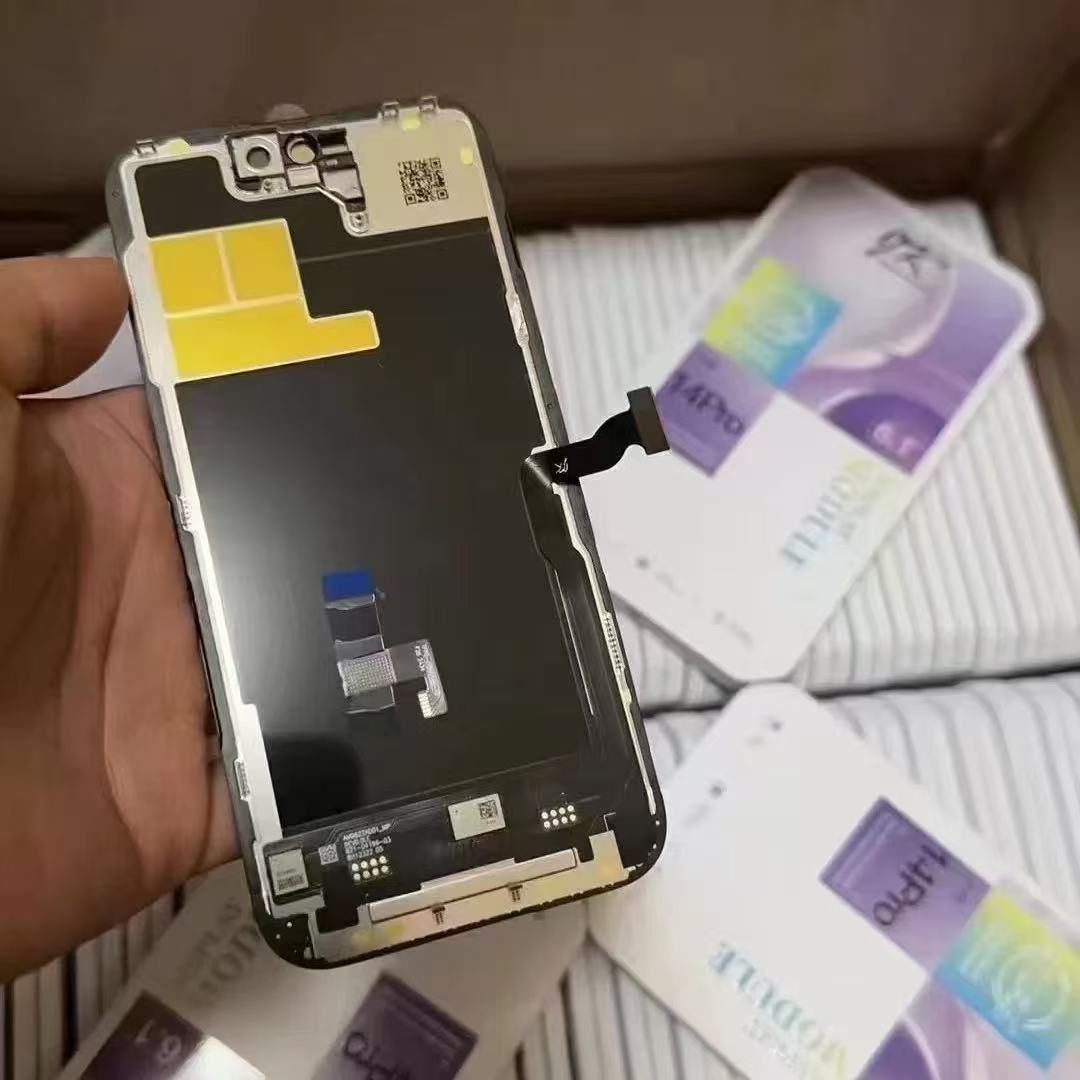
Converting an OLED phone to incell LCD lowers the price but also lowers brightness and raises battery drain. The factory code on the flex cable — JK, GX, ZY, DL, YH — tells you which tier the panel really is. iPhone 13 stock is graded honestly, with the grade written on the listing rather than left to the buyer to discover. iPhone 13 panels are supplied in the grades that match real repair tickets, from premium original through to volume incell.
Frames and adhesives are as much a part of the repair as the panel, which is why a grade list, not just a price list, is what a serious buyer asks for.
Specs and checks that matter
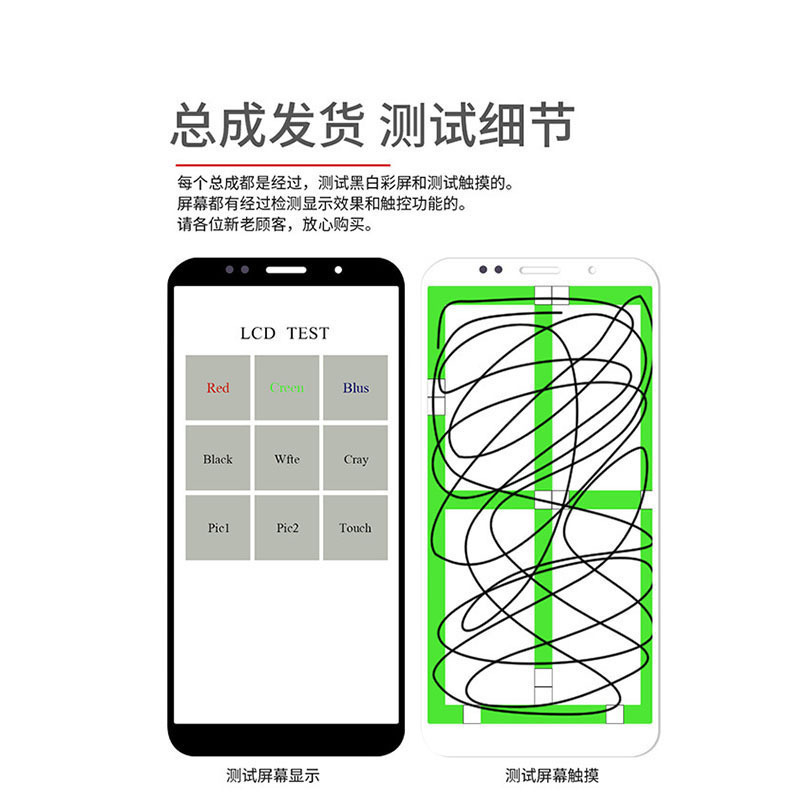
- Bench test: Touch, display, ghost-touch and true-tone are checked before an order is packed
- Common misdiagnosis: Roughly one in three "screen faults" traced to a bench actually turns out to be the flex or a software state
- Substrate check: Flex carries a factory code (JK, GX, ZY, DL, YH) — it identifies the actual production line
- OLED types: Soft OLED is flexible and absorbs drops; hard OLED is rigid glass and more brittle at the corners
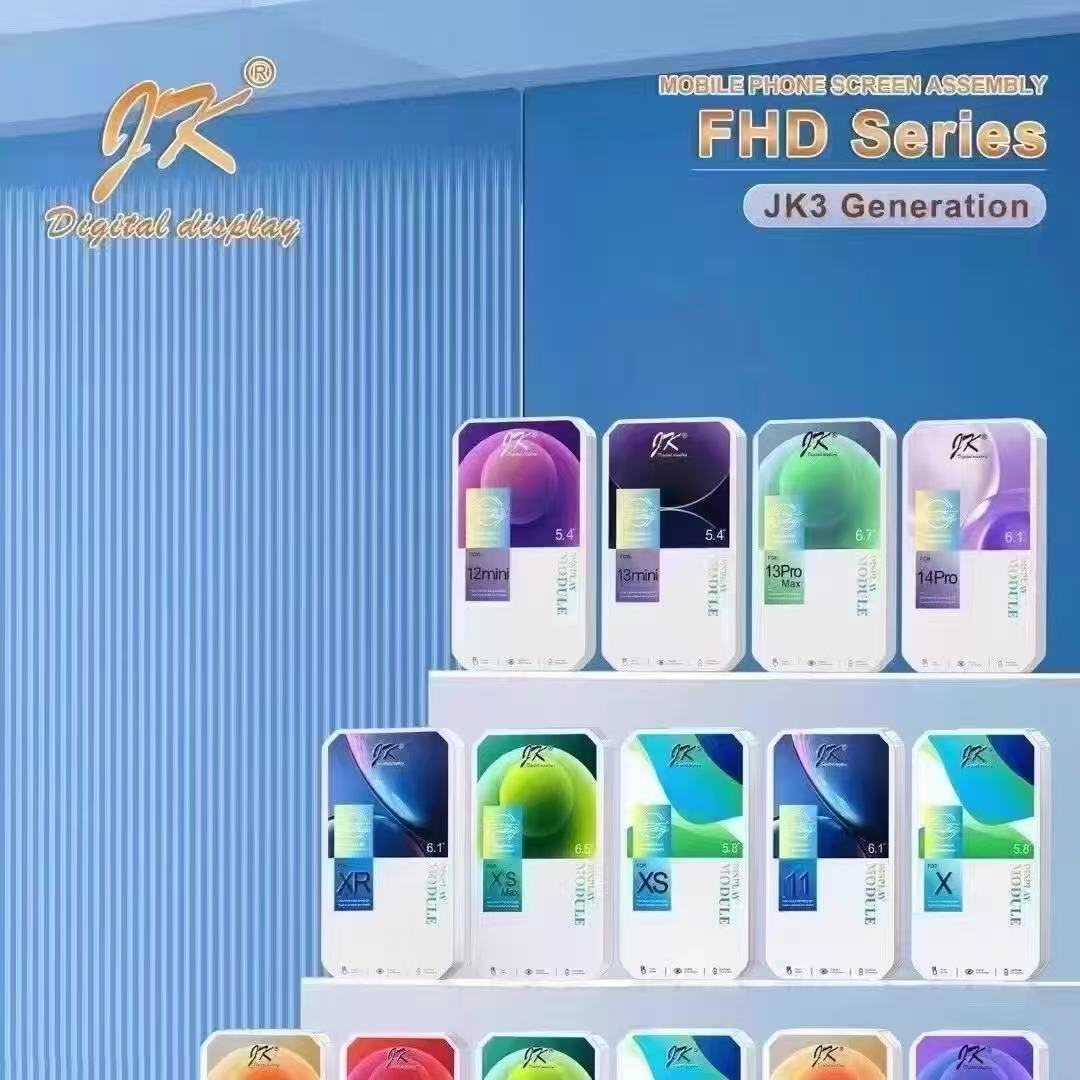
- Grade scale: Original New, Original Pull, OEM Refurb, OEM Grade, Soft OLED, Hard OLED, FHD Incell, HD Incell/TFT
Buyer questions
Which grade should I stock?
It depends on your customer: original for premium repairs, incell tiers for volume work — ask for the grade list.
Will a third-party screen trigger a warning?
Most non-genuine displays show a non-genuine display notice in software; it is a message, not a functional fault, and shops that explain it up front avoid the complaint.
Which OLED type is better?
Soft OLED flexes and takes impact better; hard OLED costs less but cracks more readily at the edges.
Why do screens come back?
The usual culprits are budget TFT brightness, ghost touch from weak incell digitizers, brittle hard OLED and dust under refurbished glass.
Related in this range
Need More Options? Contact Our Sales Team
Only part of our full catalog is shown on this site.
Numerous new models & custom OEM solutions are available.
Send us your requirements, our dedicated sales staff will reply to you quickly.