
 USD
Home
/
iPhone 14 Series Screens
iPhone 14 Series Screens
Graded iPhone 14 Series Screens for repair shops, refurbishers and parts distributors, held in stock for 48-hour dispatch.
Coverage currently runs across iPhone 14, iPhone 14 Plus and iPhone 14 Pro Max. Grades are never buried — every new panel is listed with the grade it actually is.
- Connector pin plating checked for even coverage
- Lamination inspected for bubbles and dust under magnification
- OEM logo and private-label packing available
- Barcode labels printed to your SKU list on request
- Mixed models consolidated into one shipment
18 Products
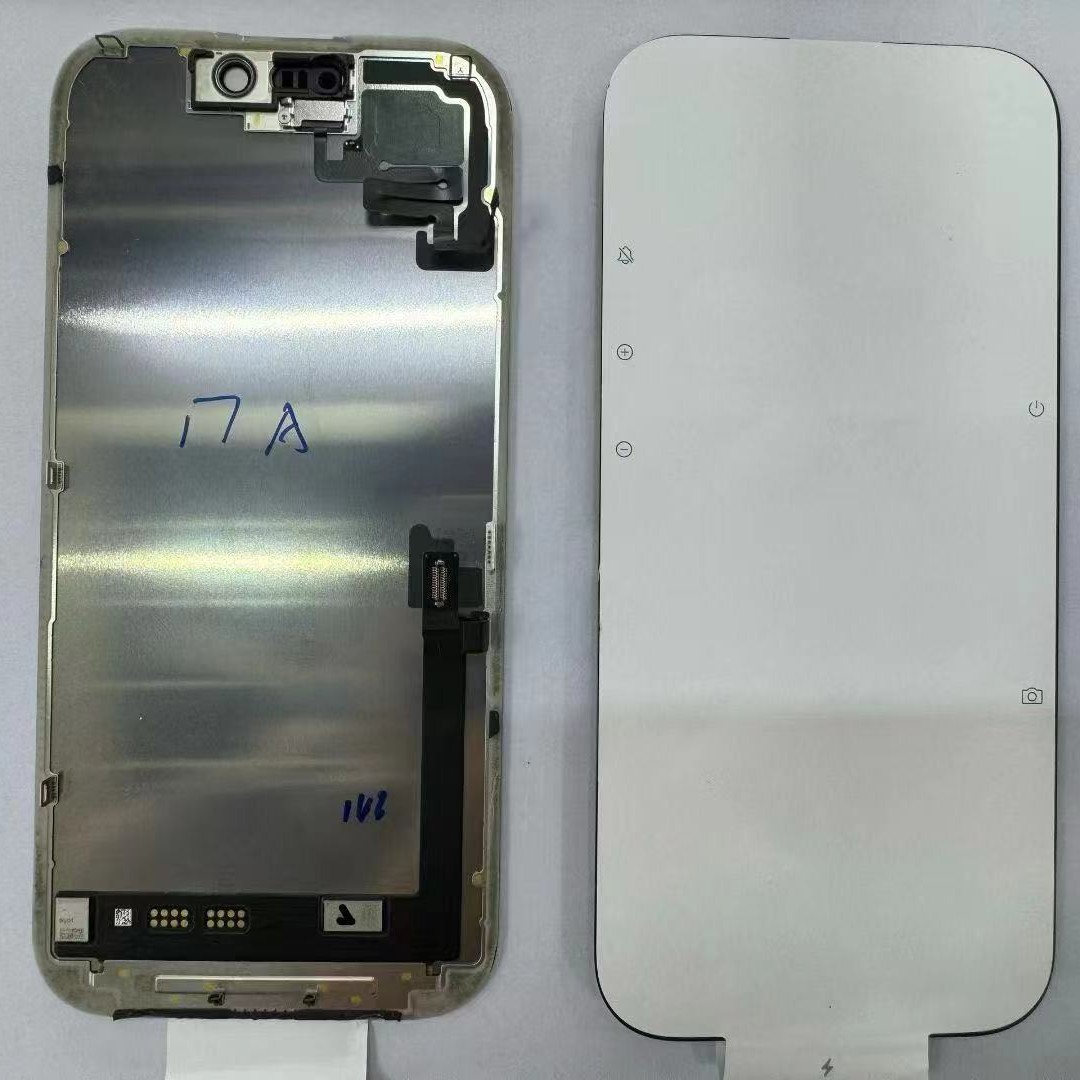
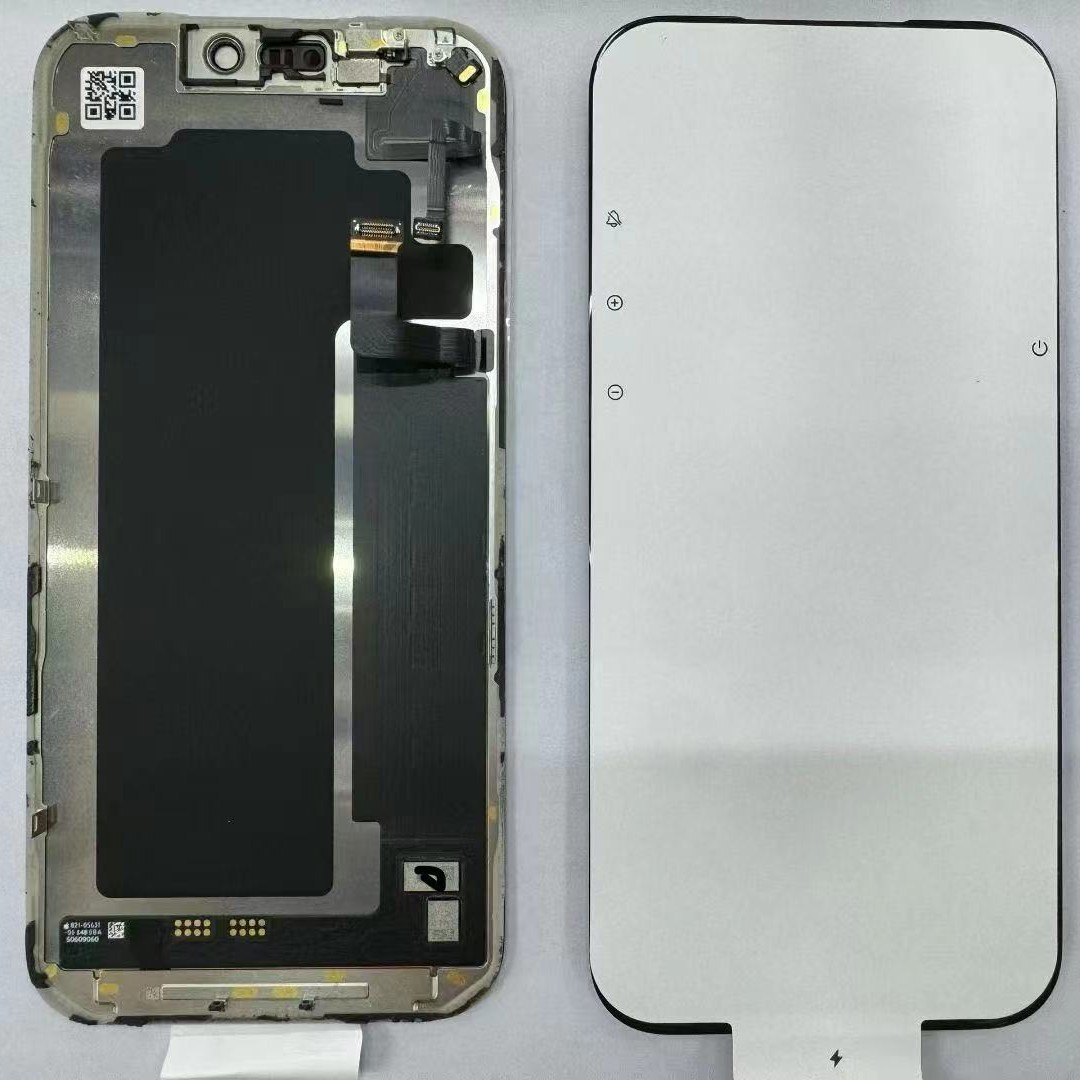
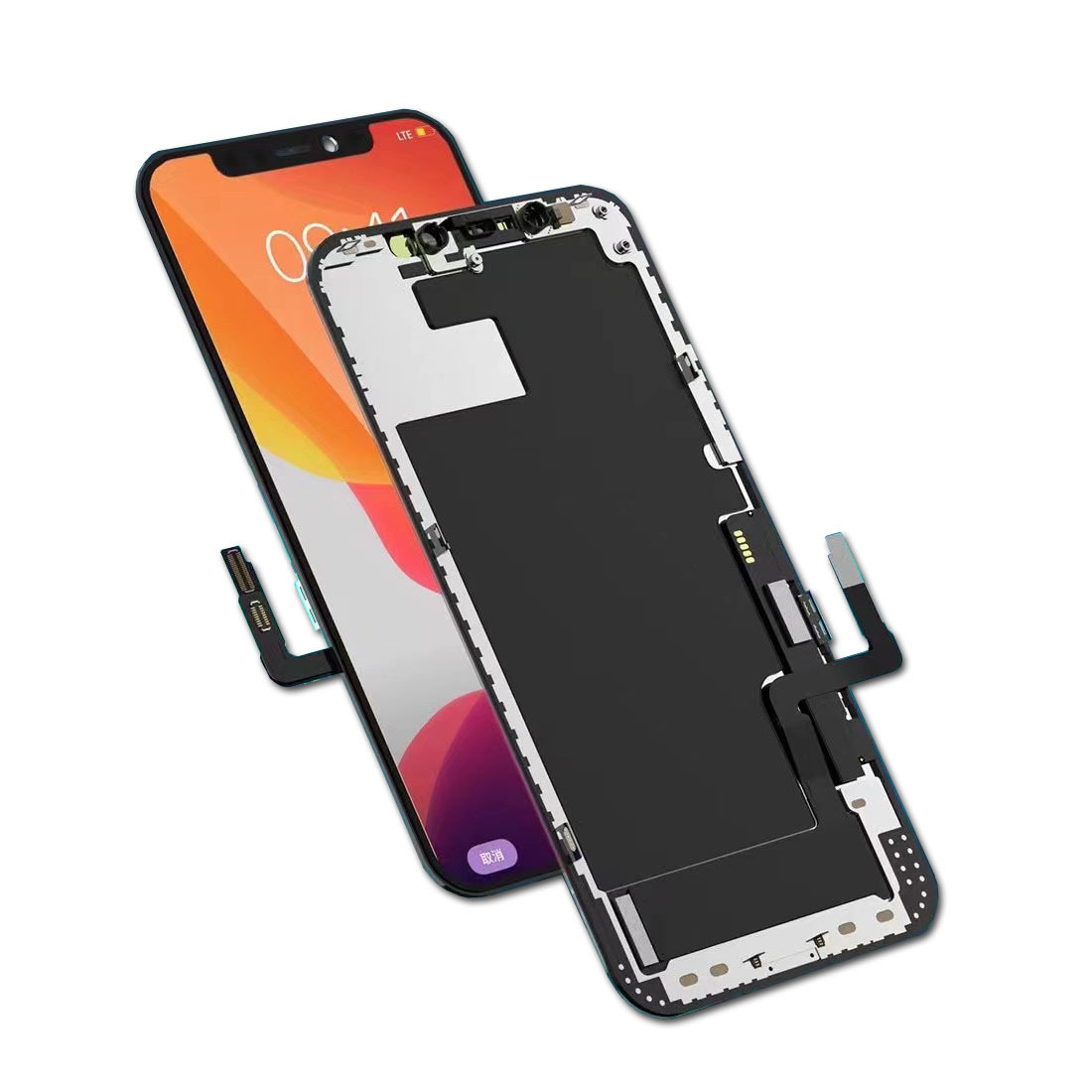
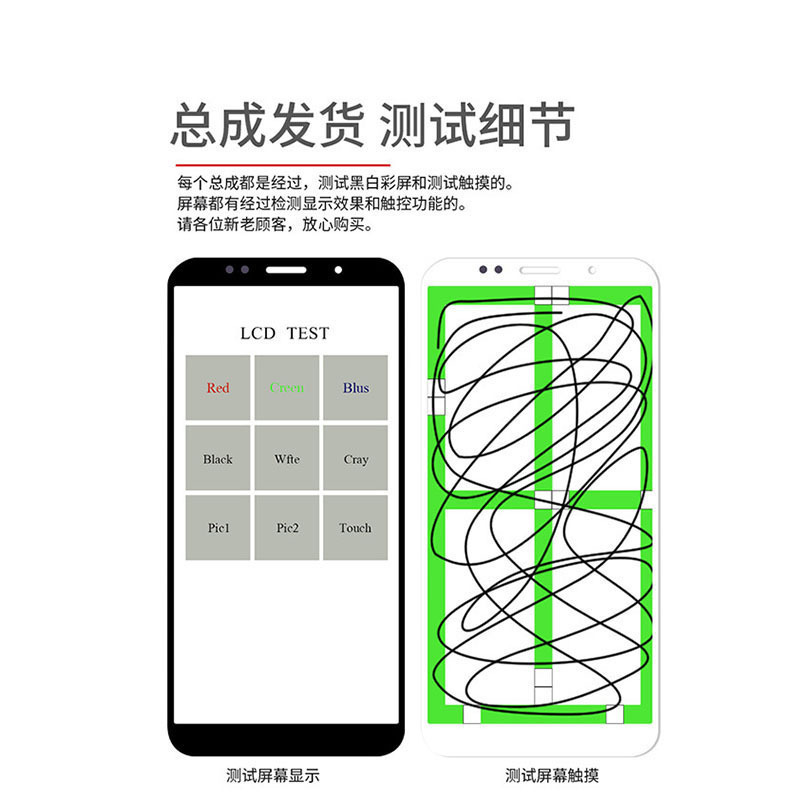
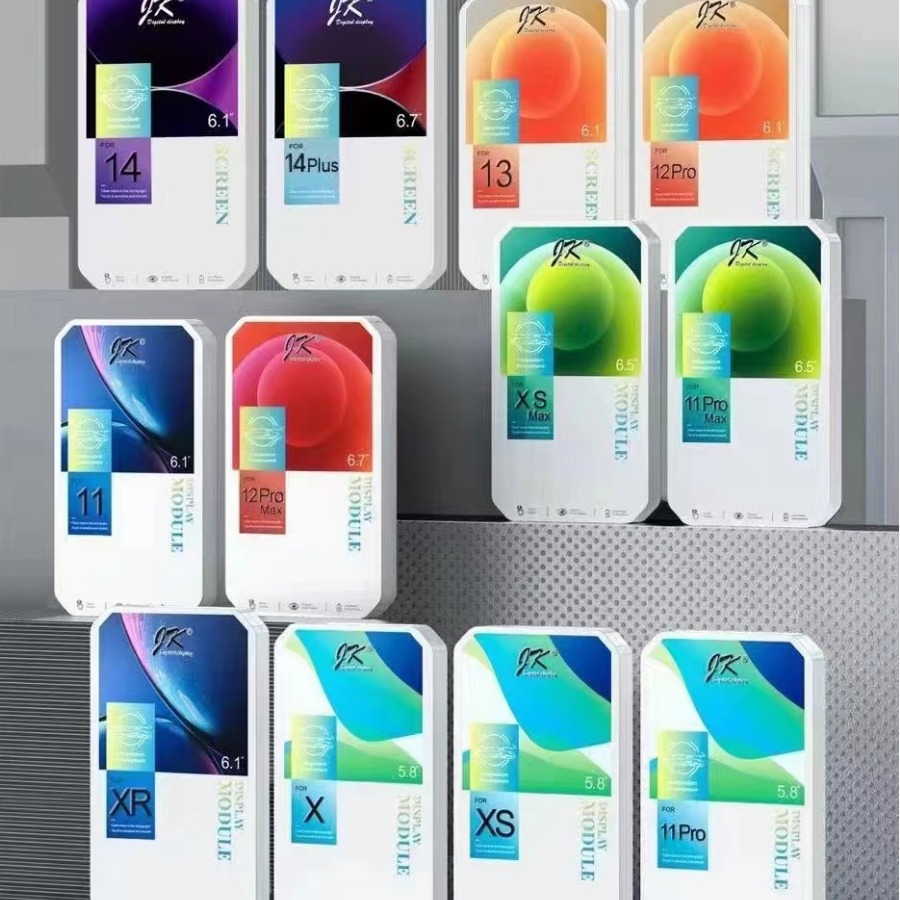
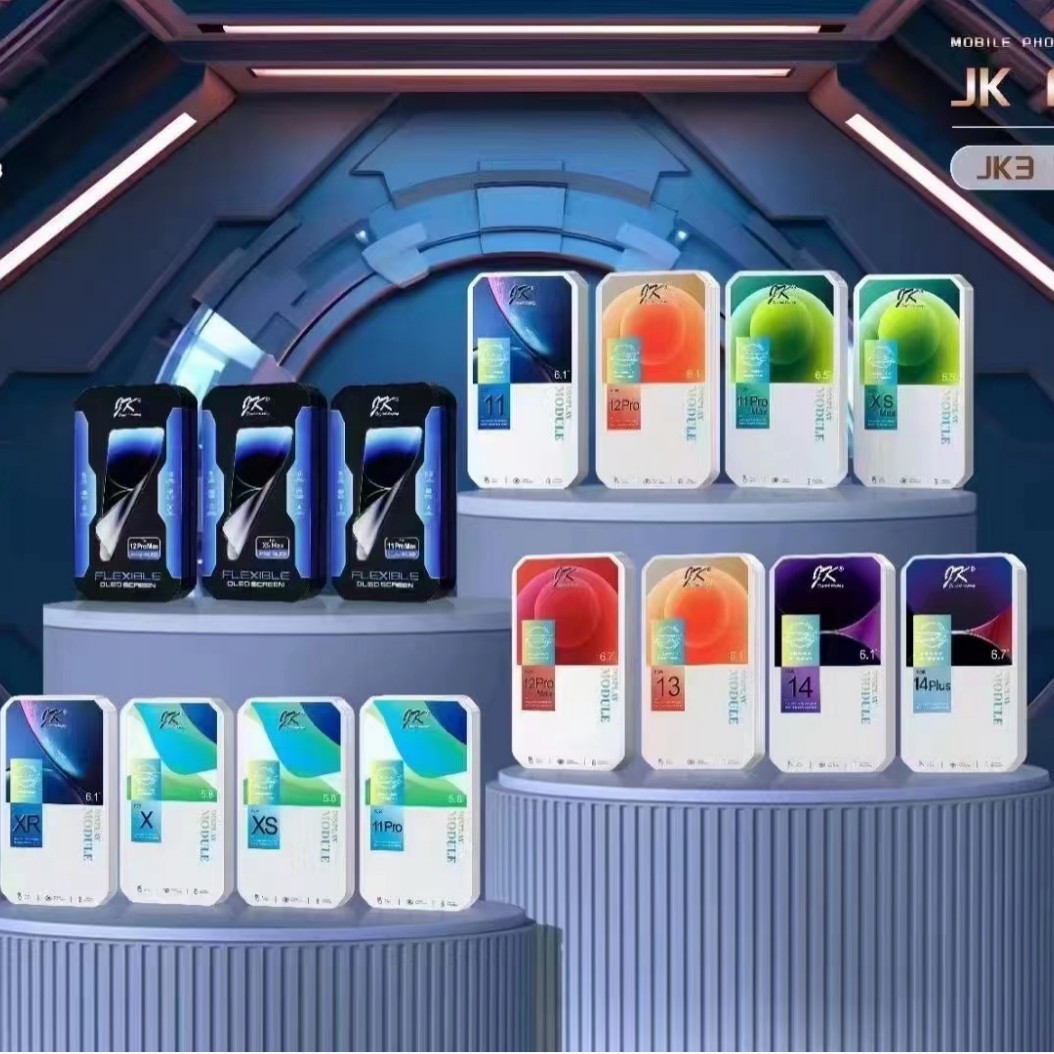
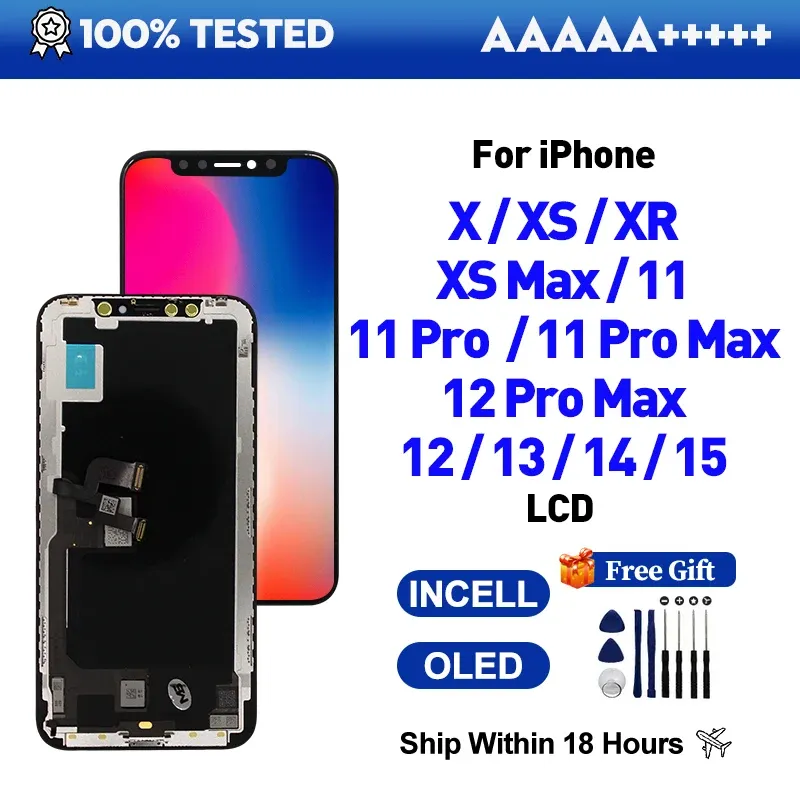
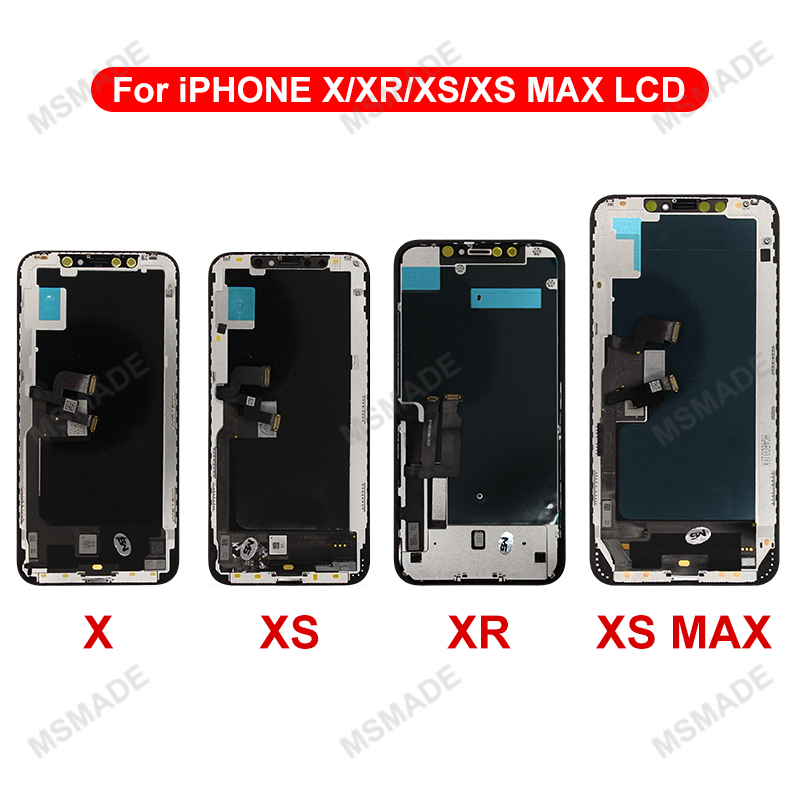
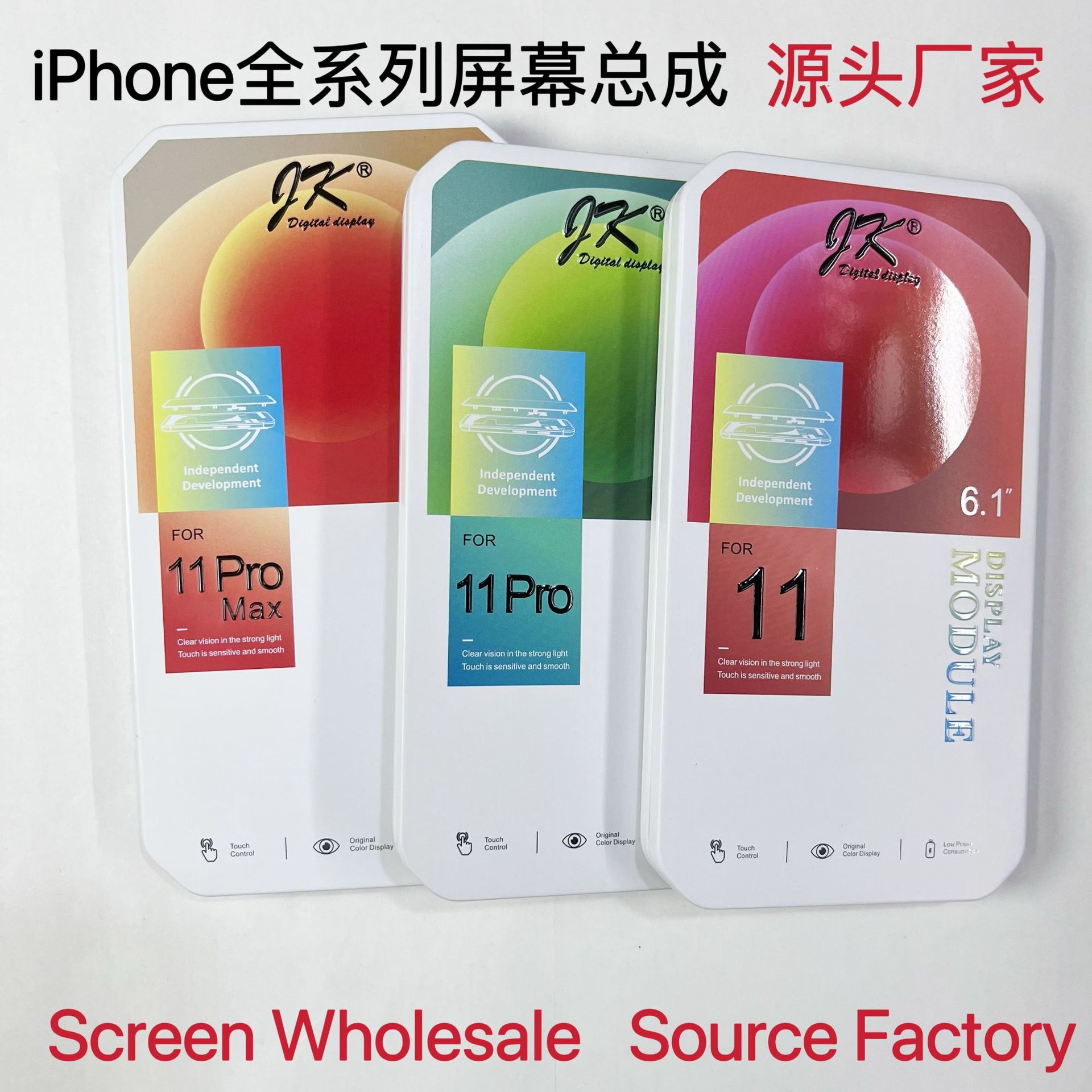
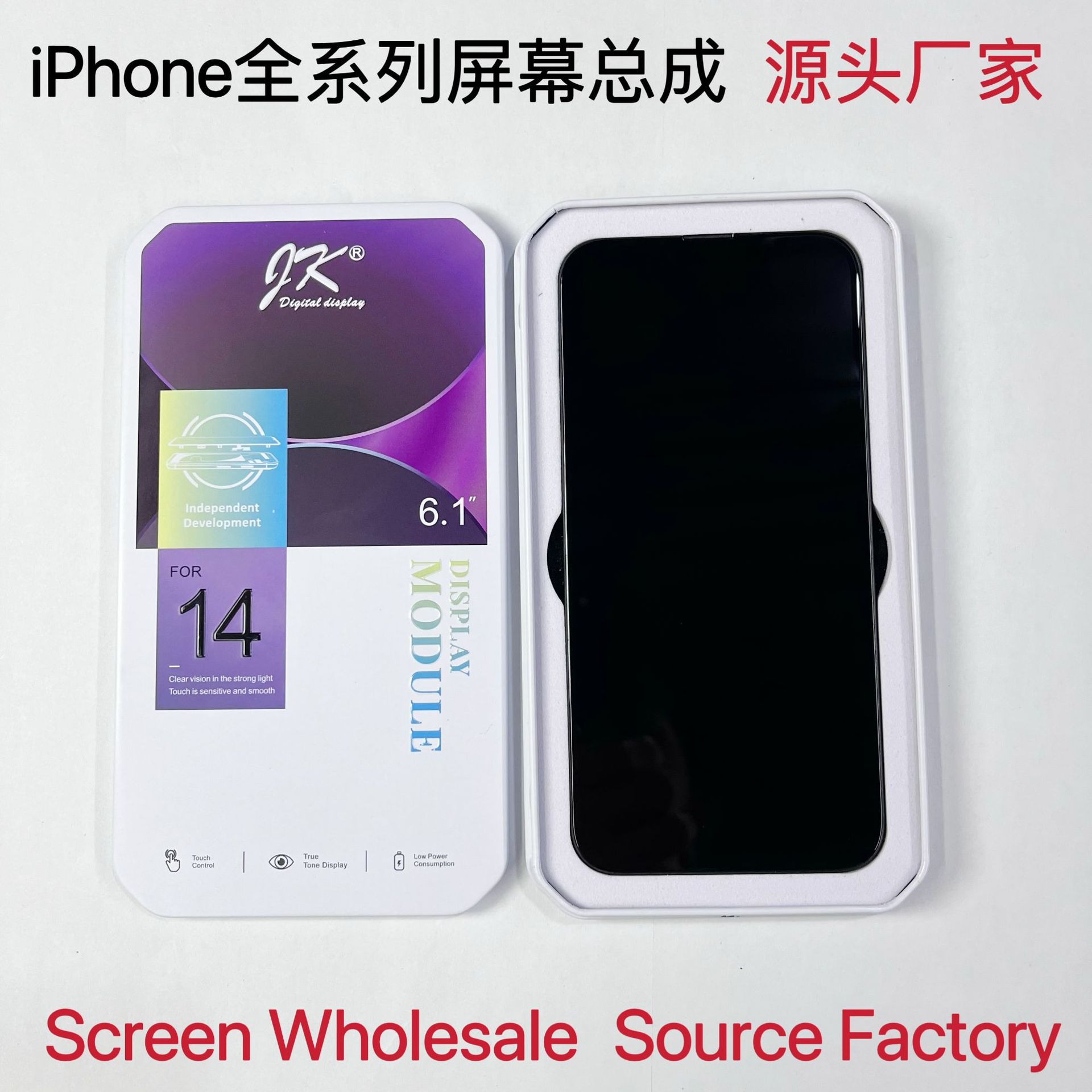
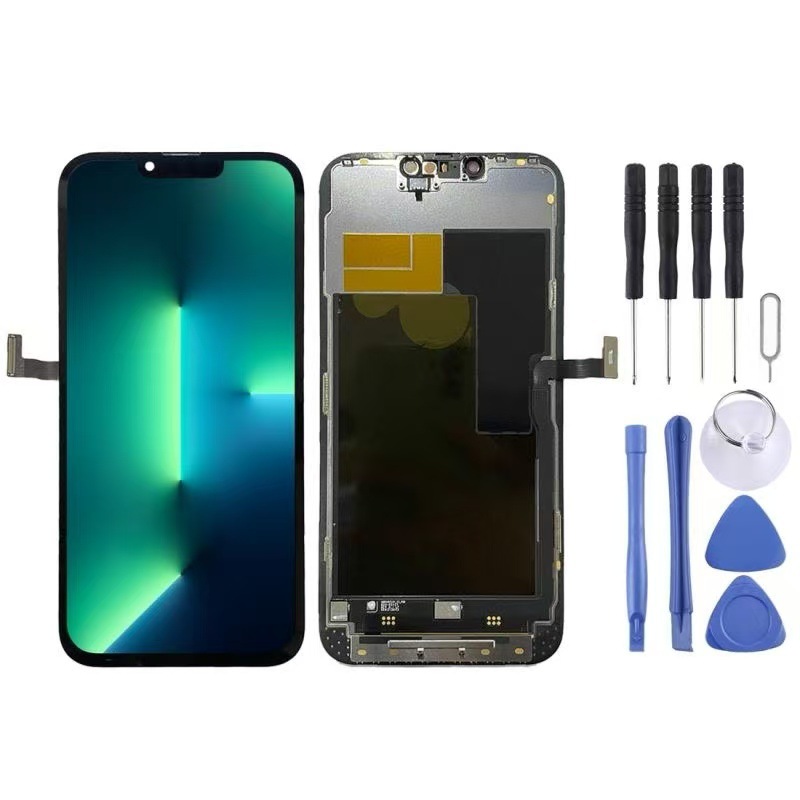
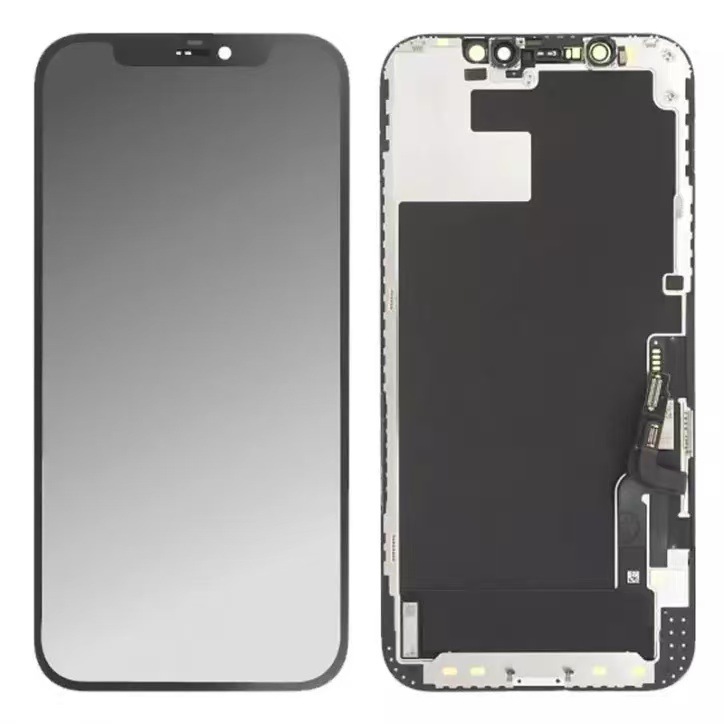
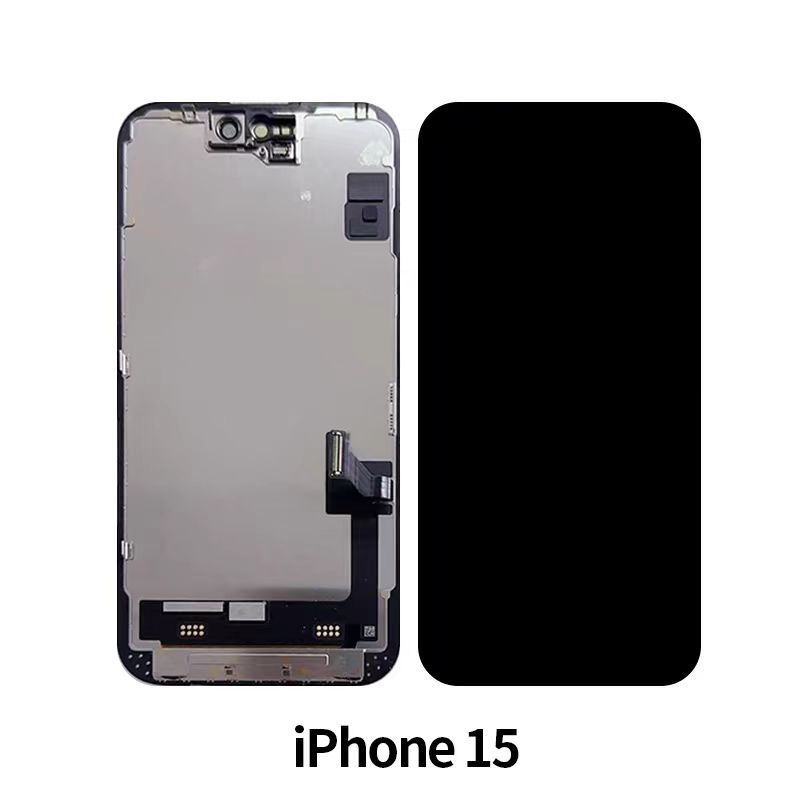
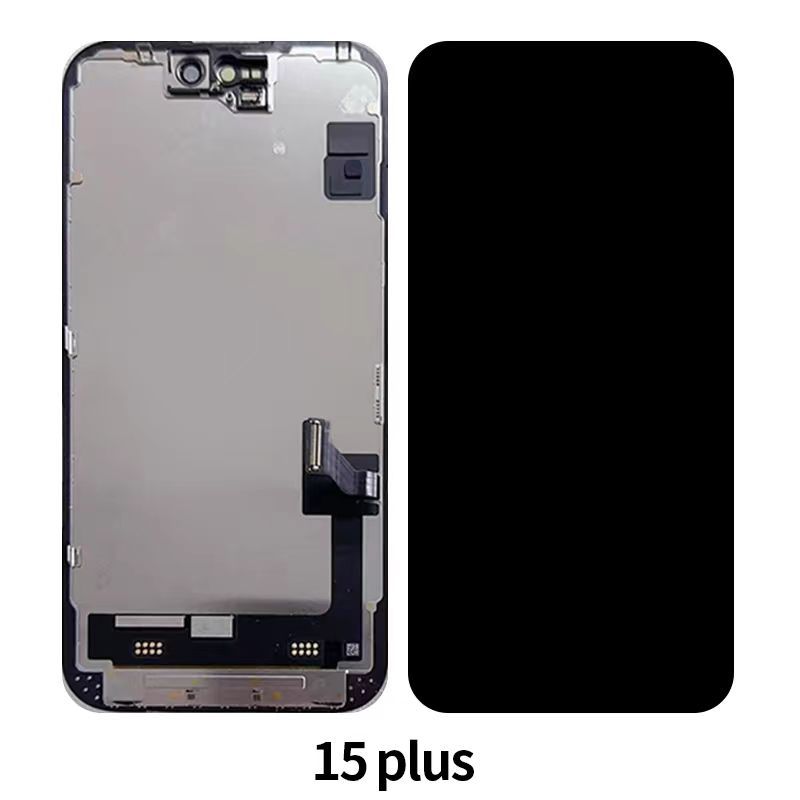
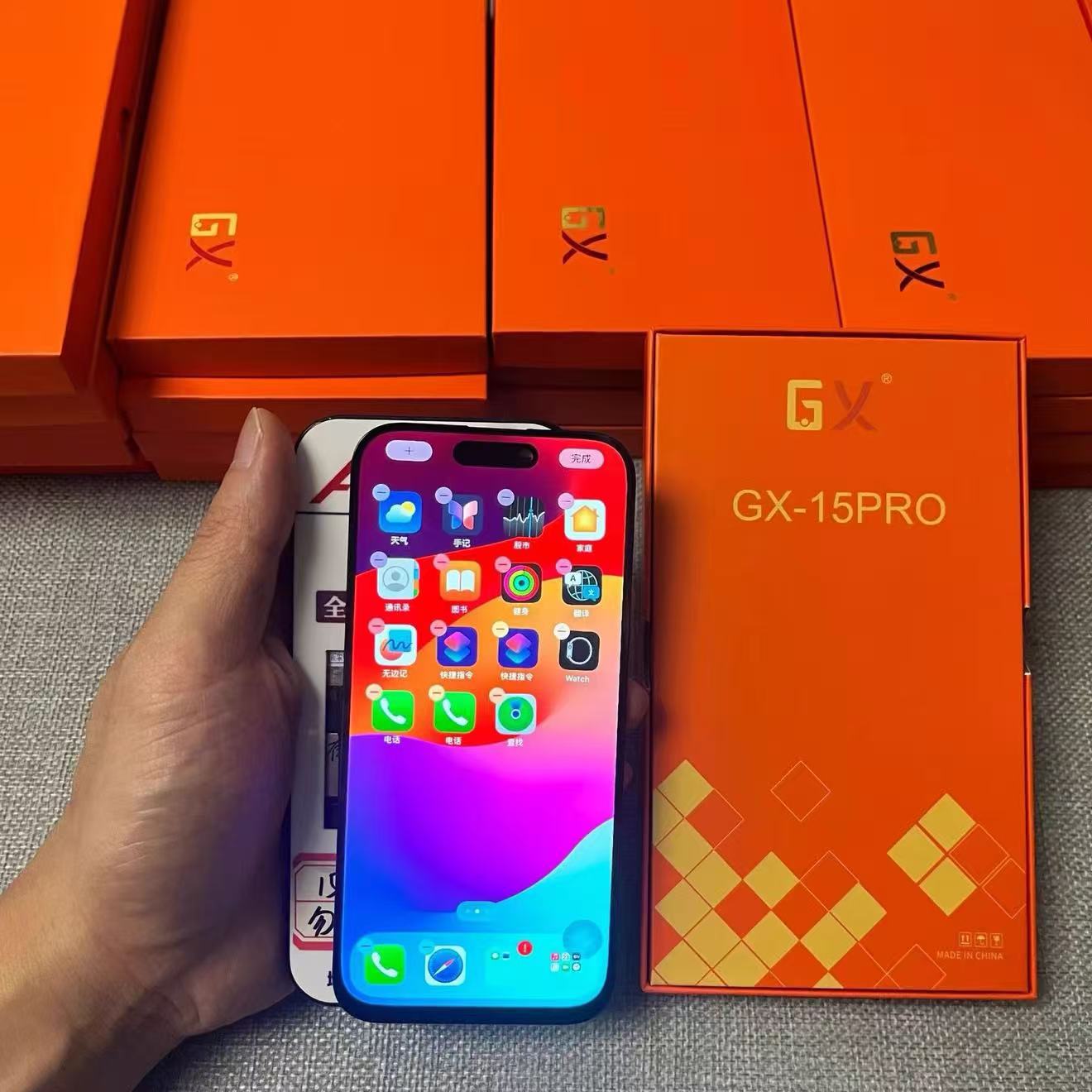
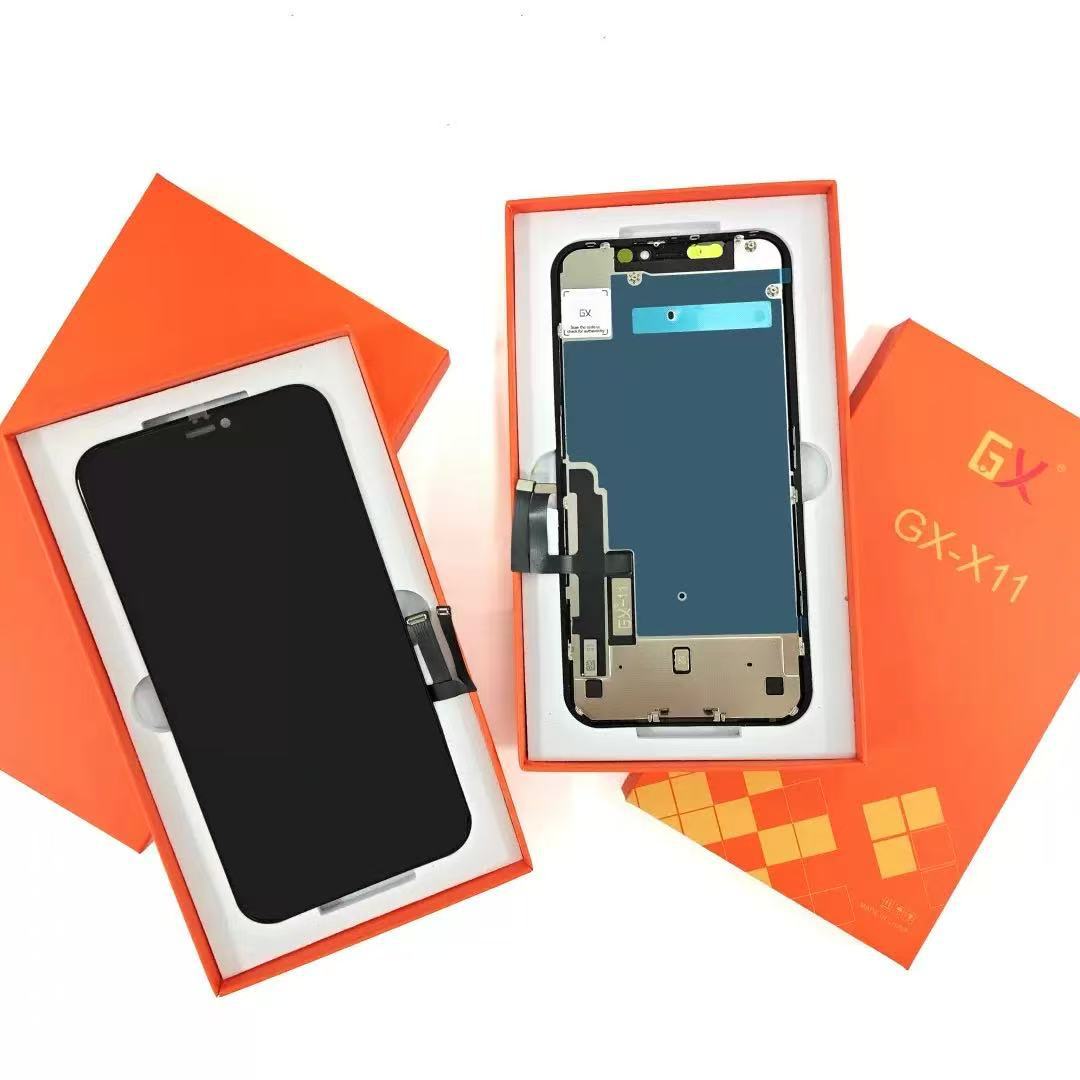
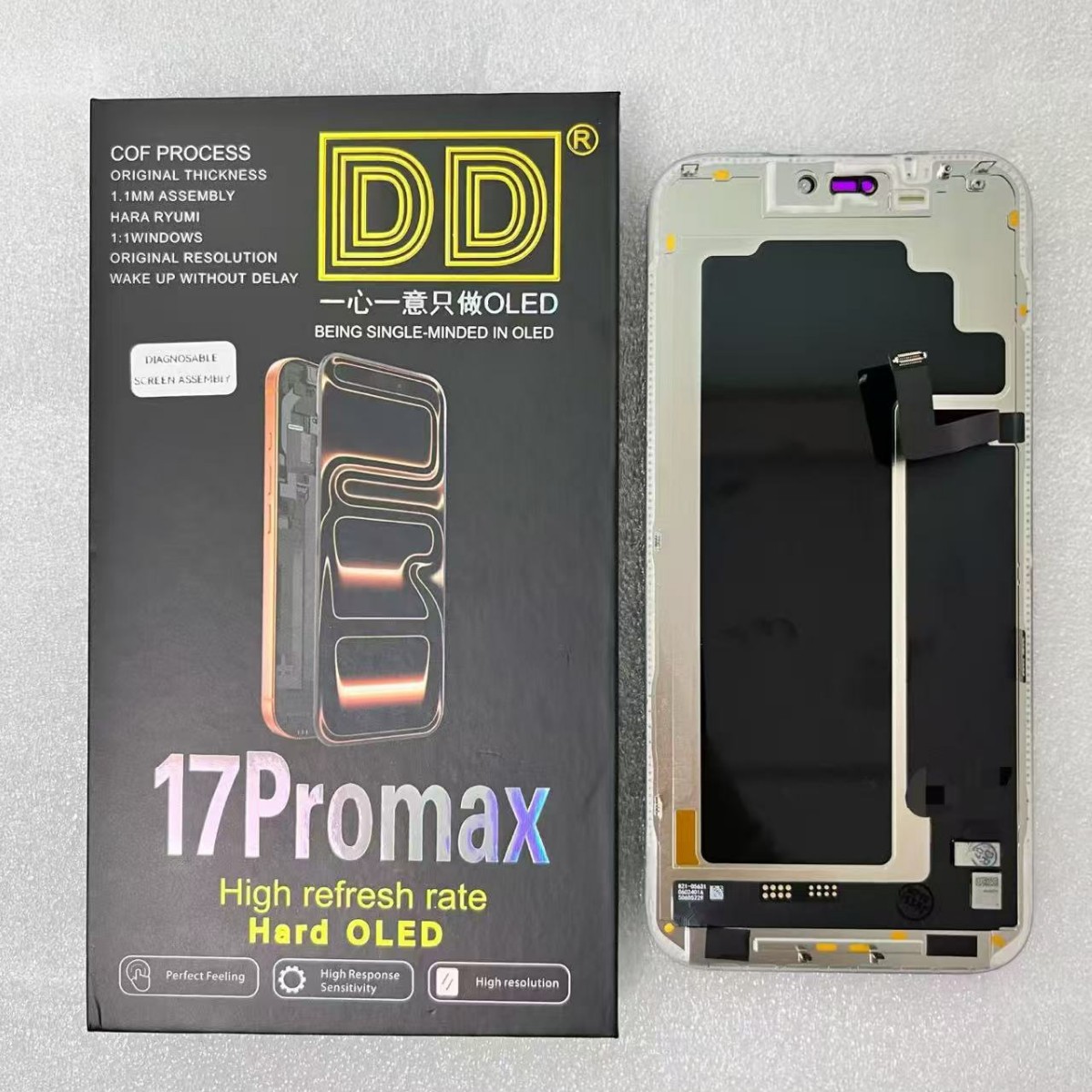
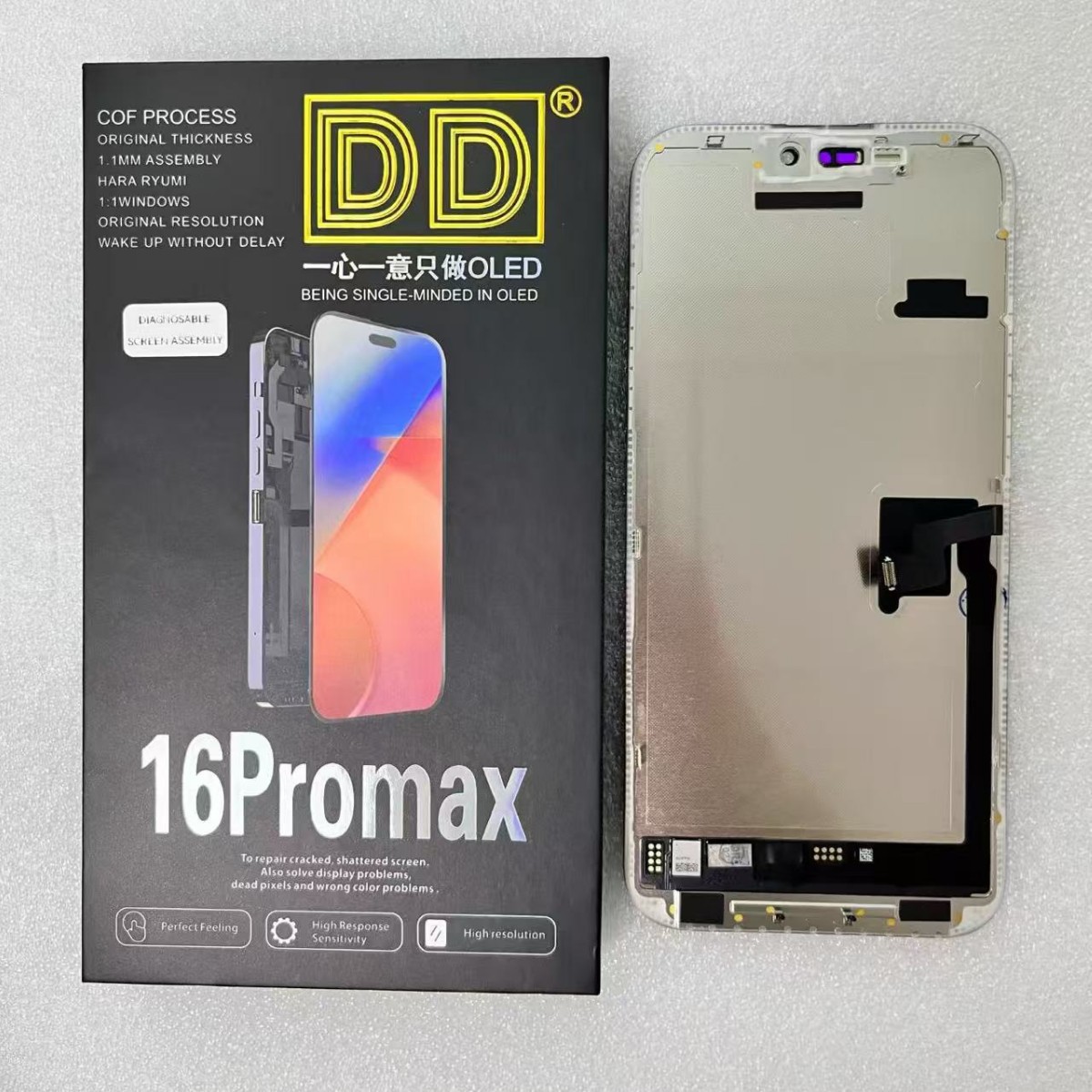
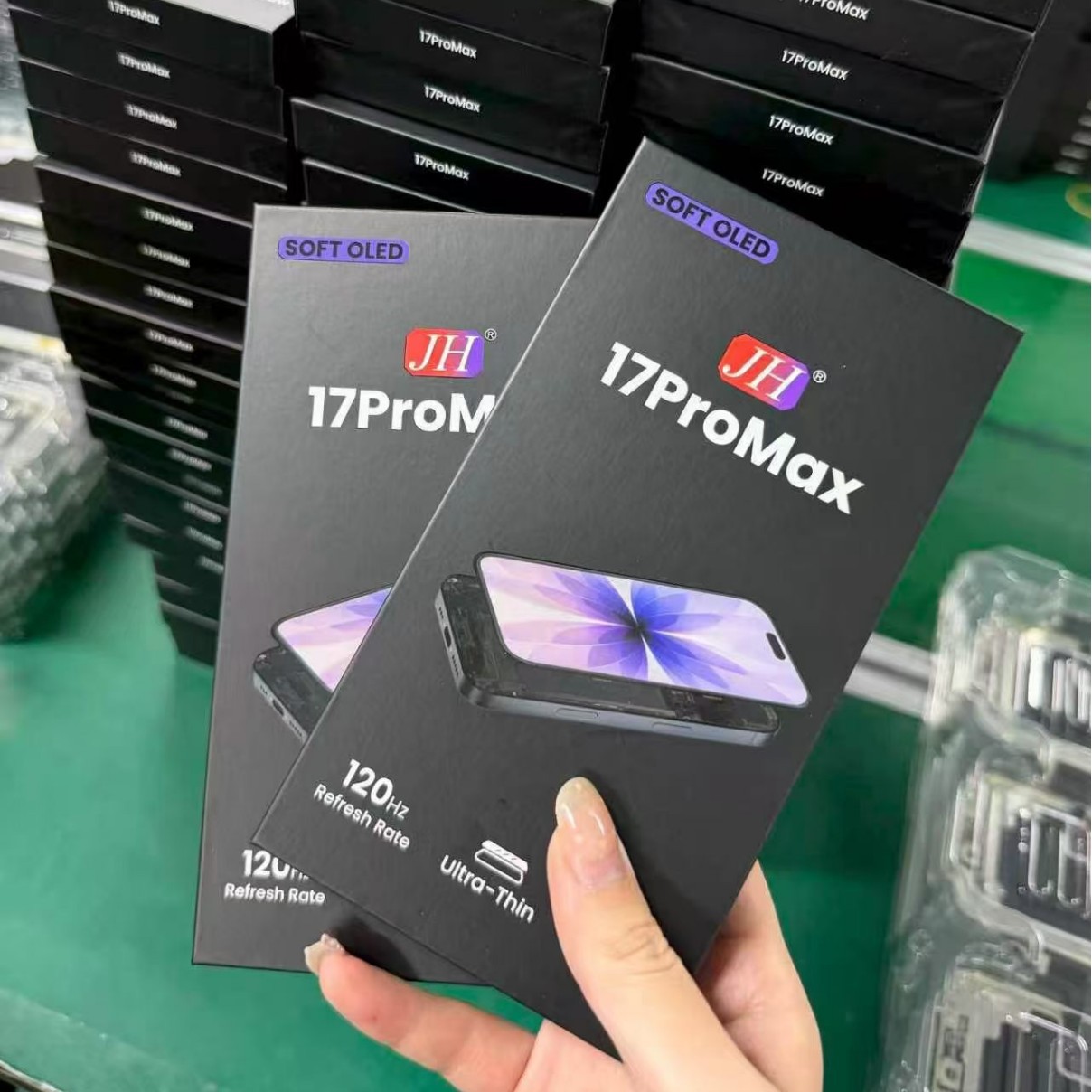
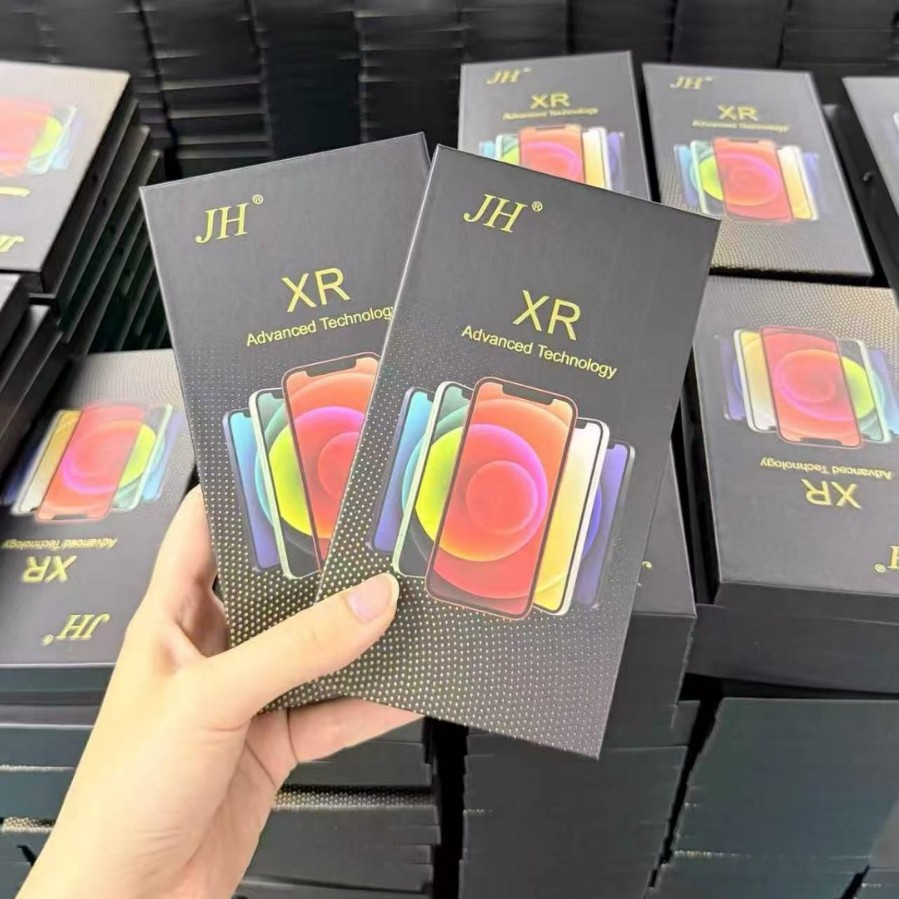
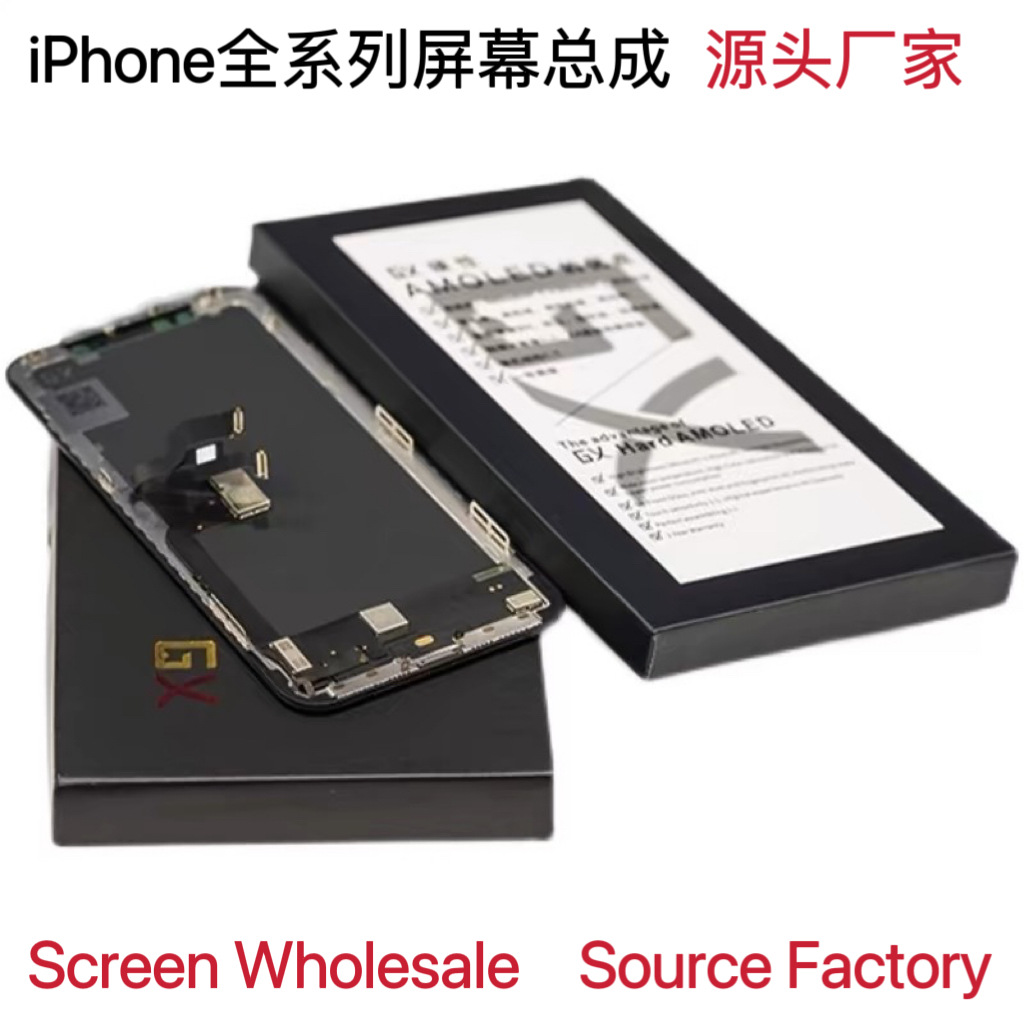
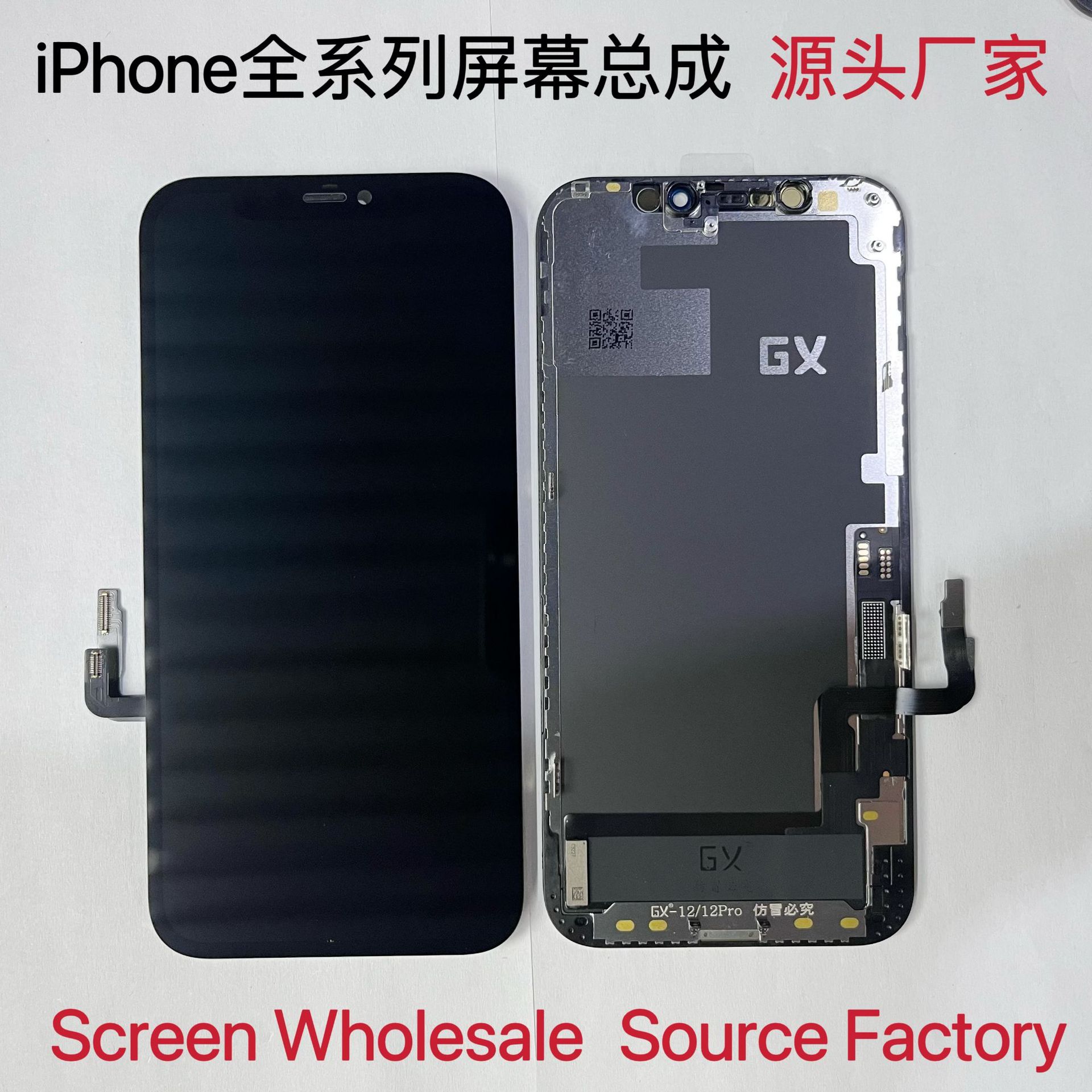
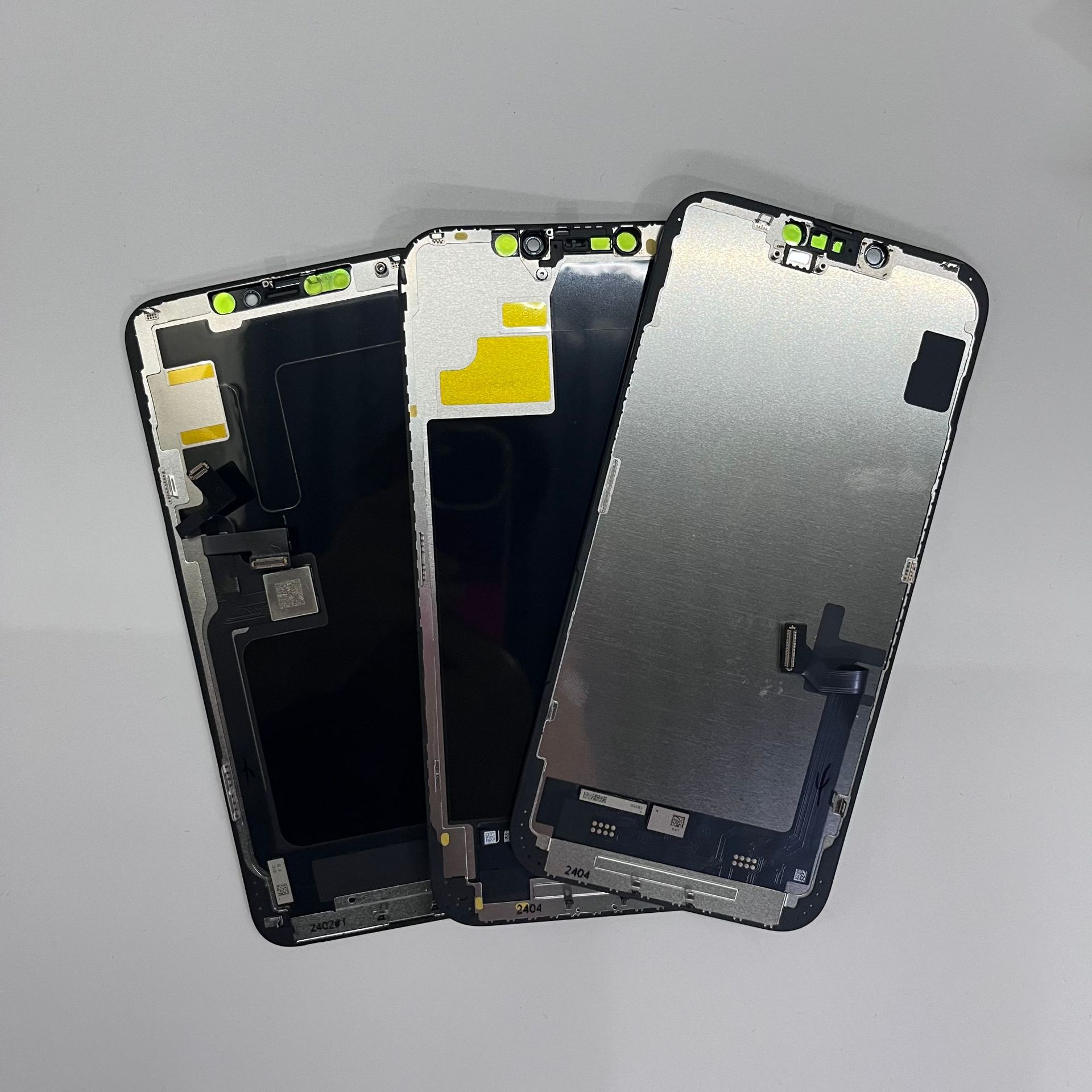
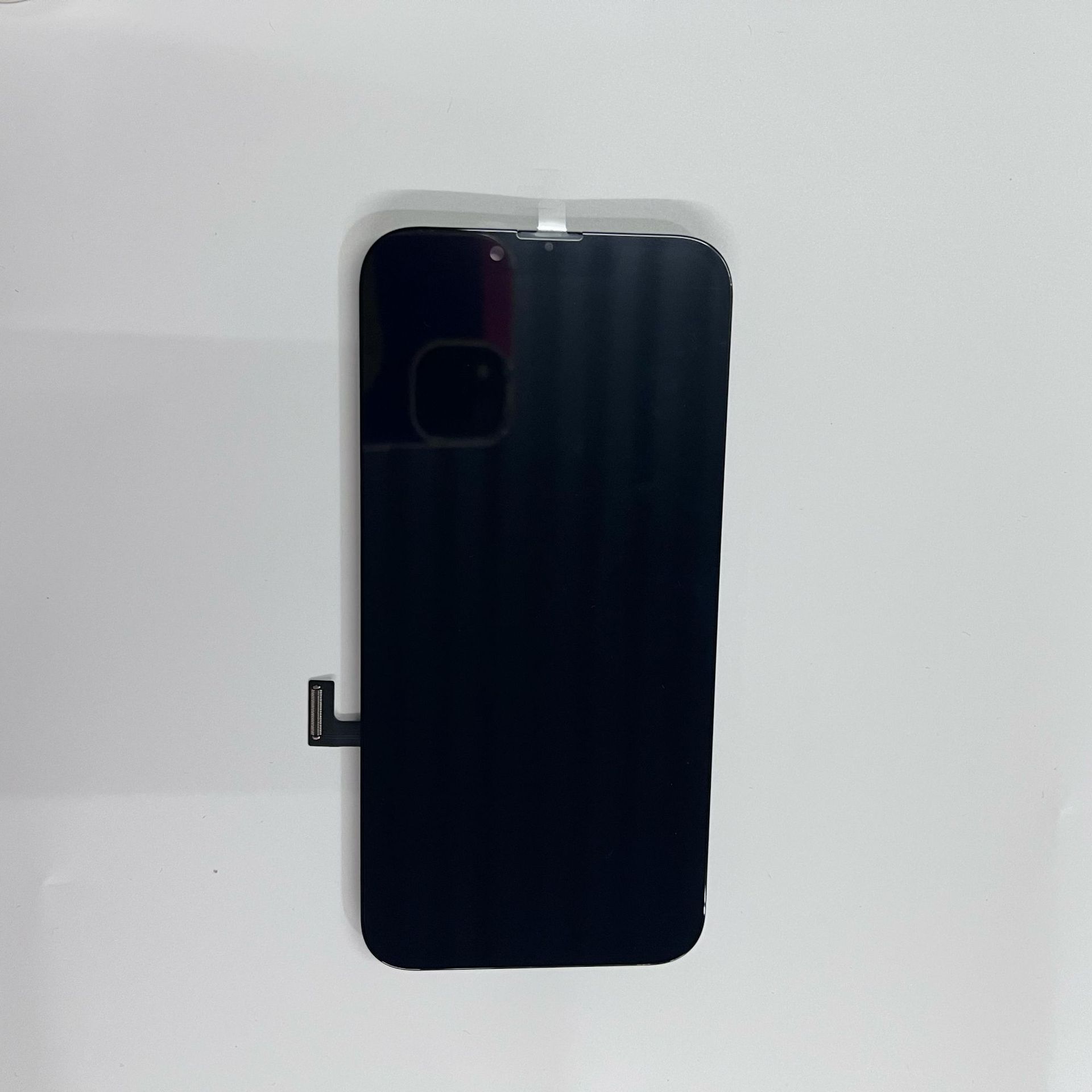
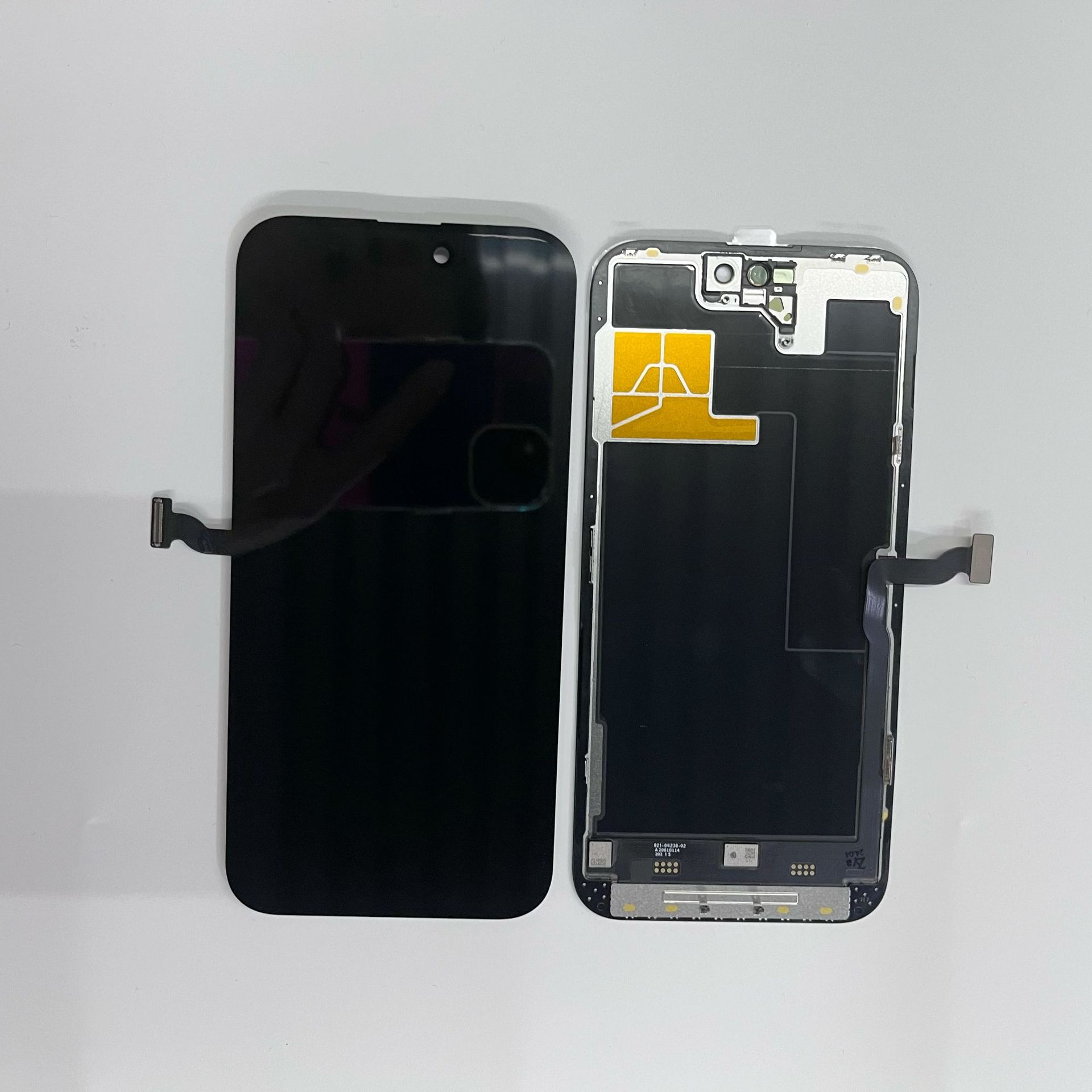
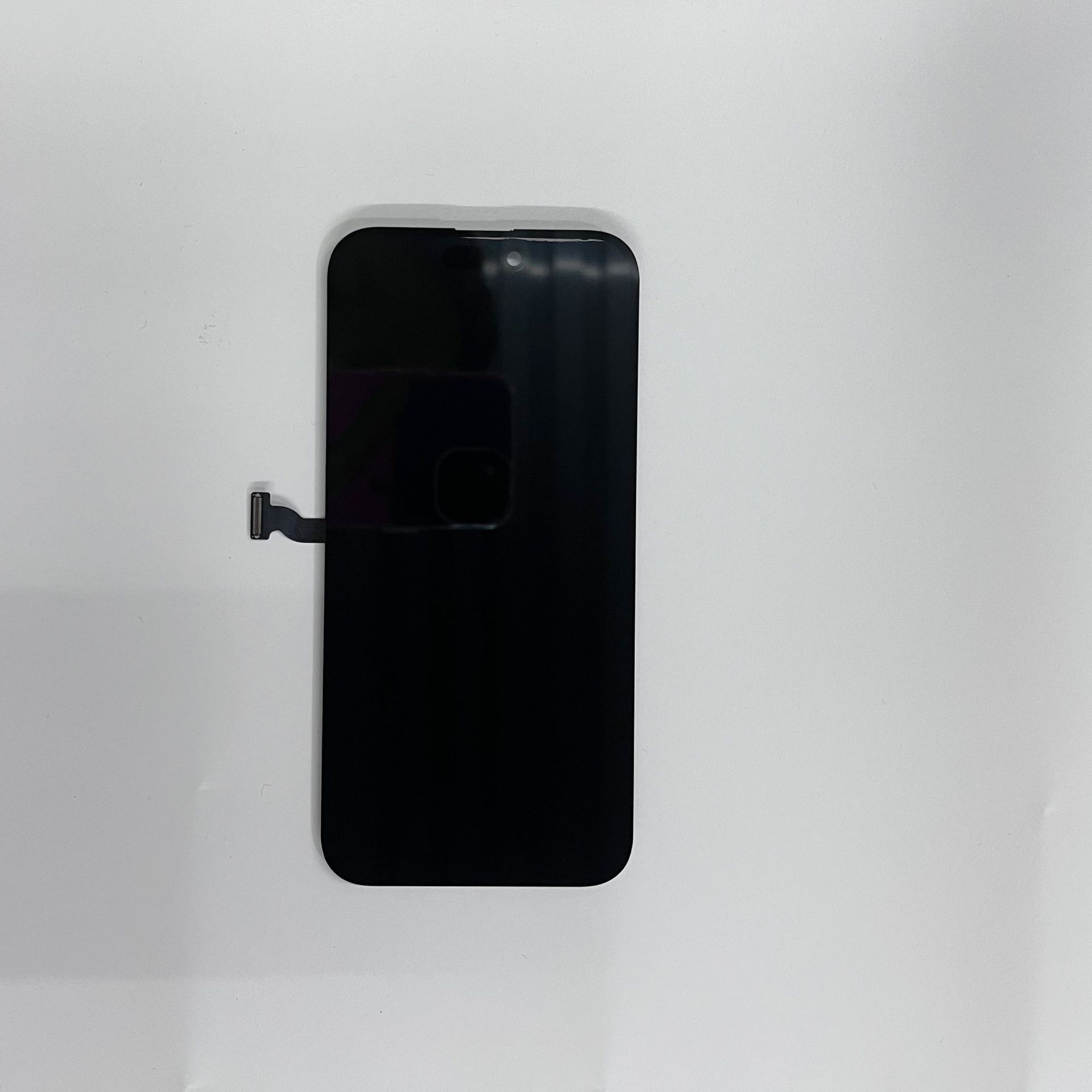
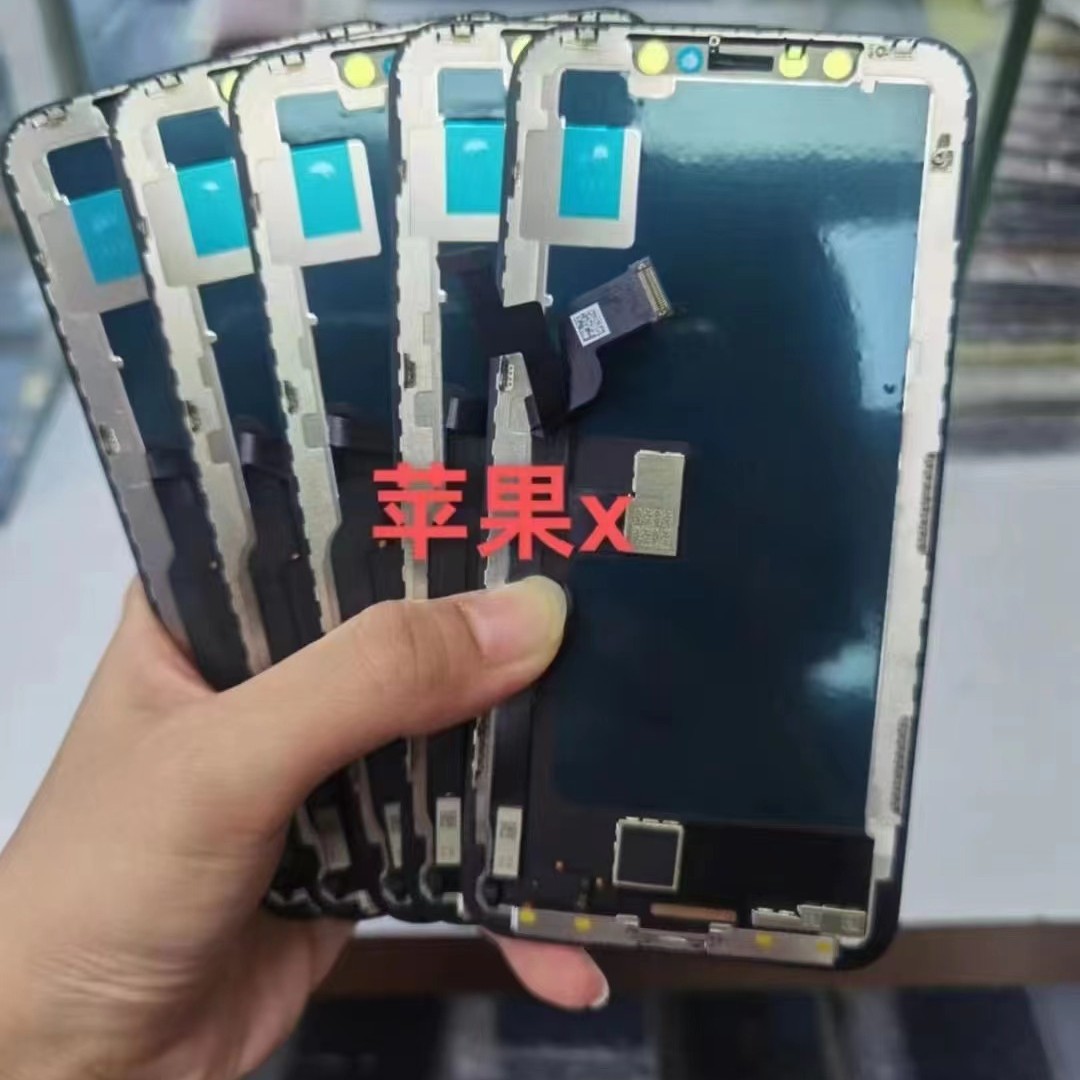
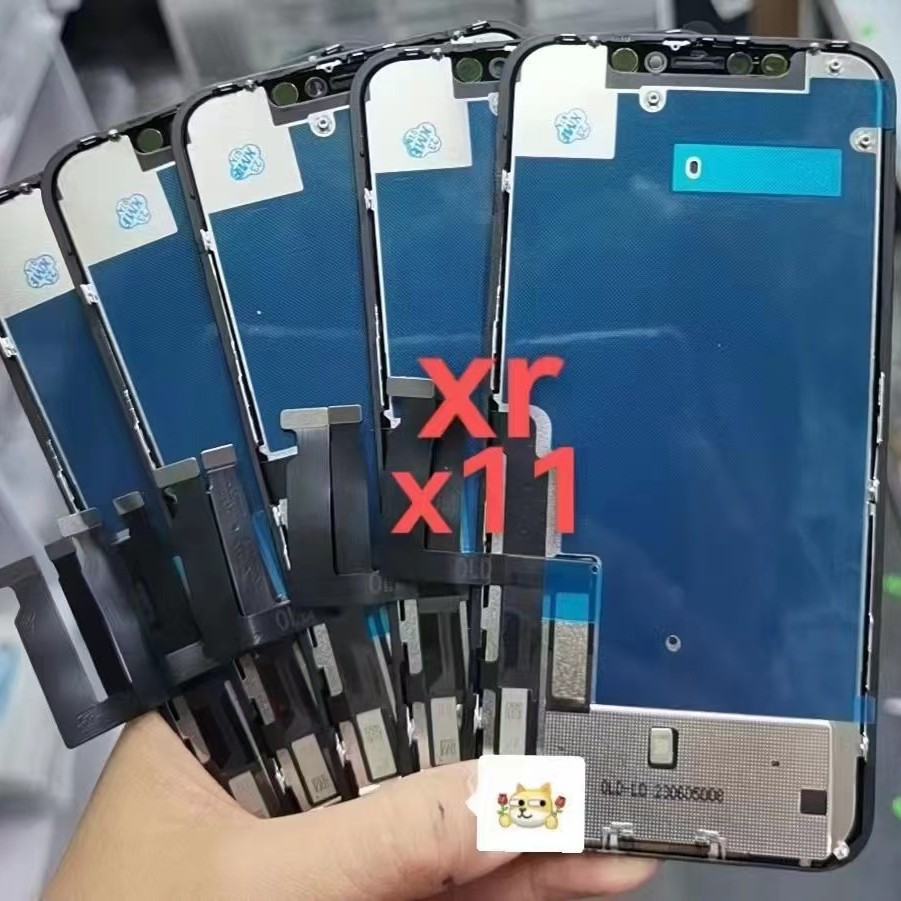
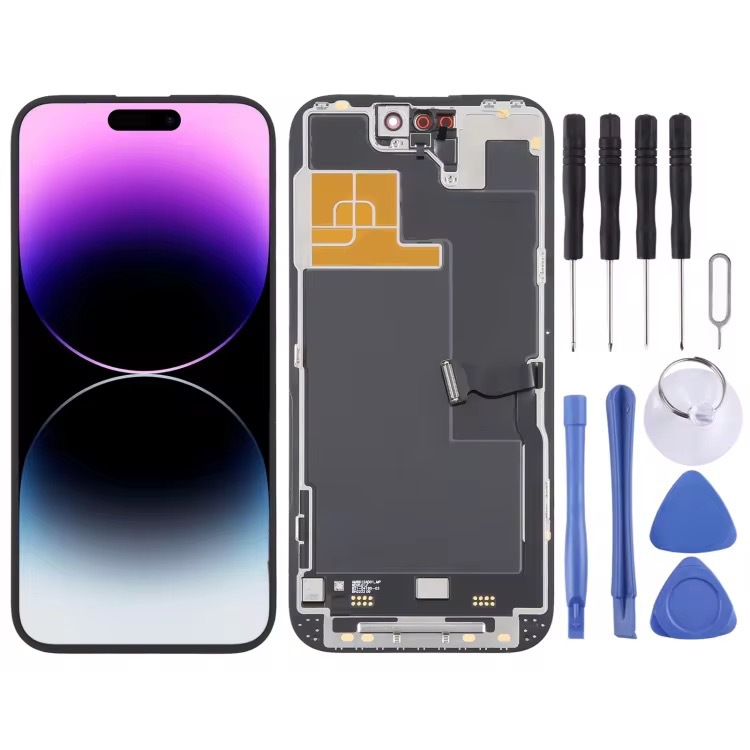
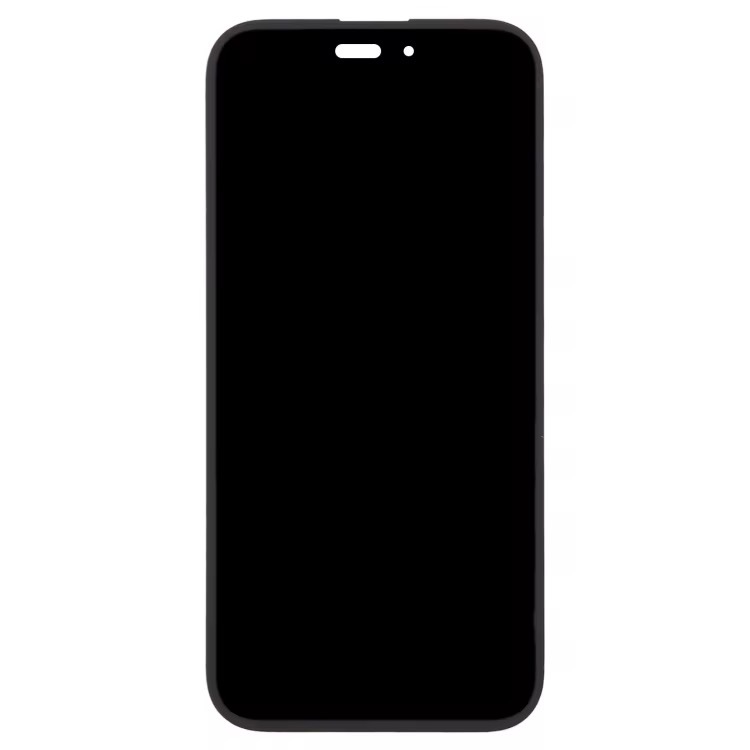
Screens & Display Assemblies — buyer notes (iPhone 14 to iPhone 14 Pro Max)
Hard OLED is cheaper but can crack from a light corner knock while the top glass stays intact. Incell LCD integrates touch into the display layer and is the budget route for older devices — it works, but brightness and battery draw are the trade-offs. Every iPhone 14 panel is graded before it is boxed, and the listing names the grade so there is no guessing at the bench. The iPhone 14 range spans the grade ladder, so a premium repair and a volume job can both be filled.
Buyers who repair for walk-in customers usually run two or three grades side by side, quoting the budget tier openly rather than switching silently.
Specs and checks that matter
- OLED types: Soft OLED is flexible and absorbs drops; hard OLED is rigid glass and more brittle at the corners
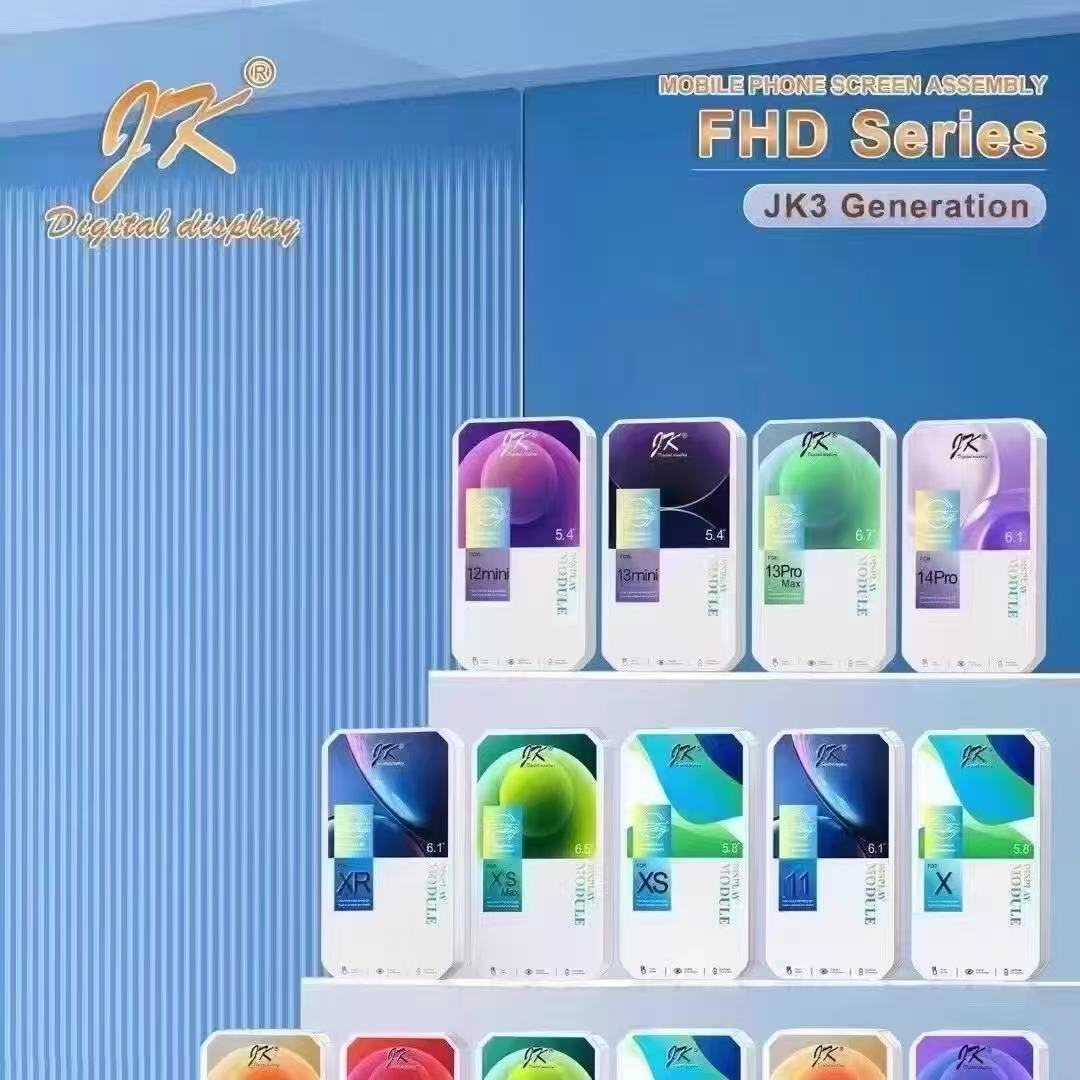
- Grade scale: Original New, Original Pull, OEM Refurb, OEM Grade, Soft OLED, Hard OLED, FHD Incell, HD Incell/TFT
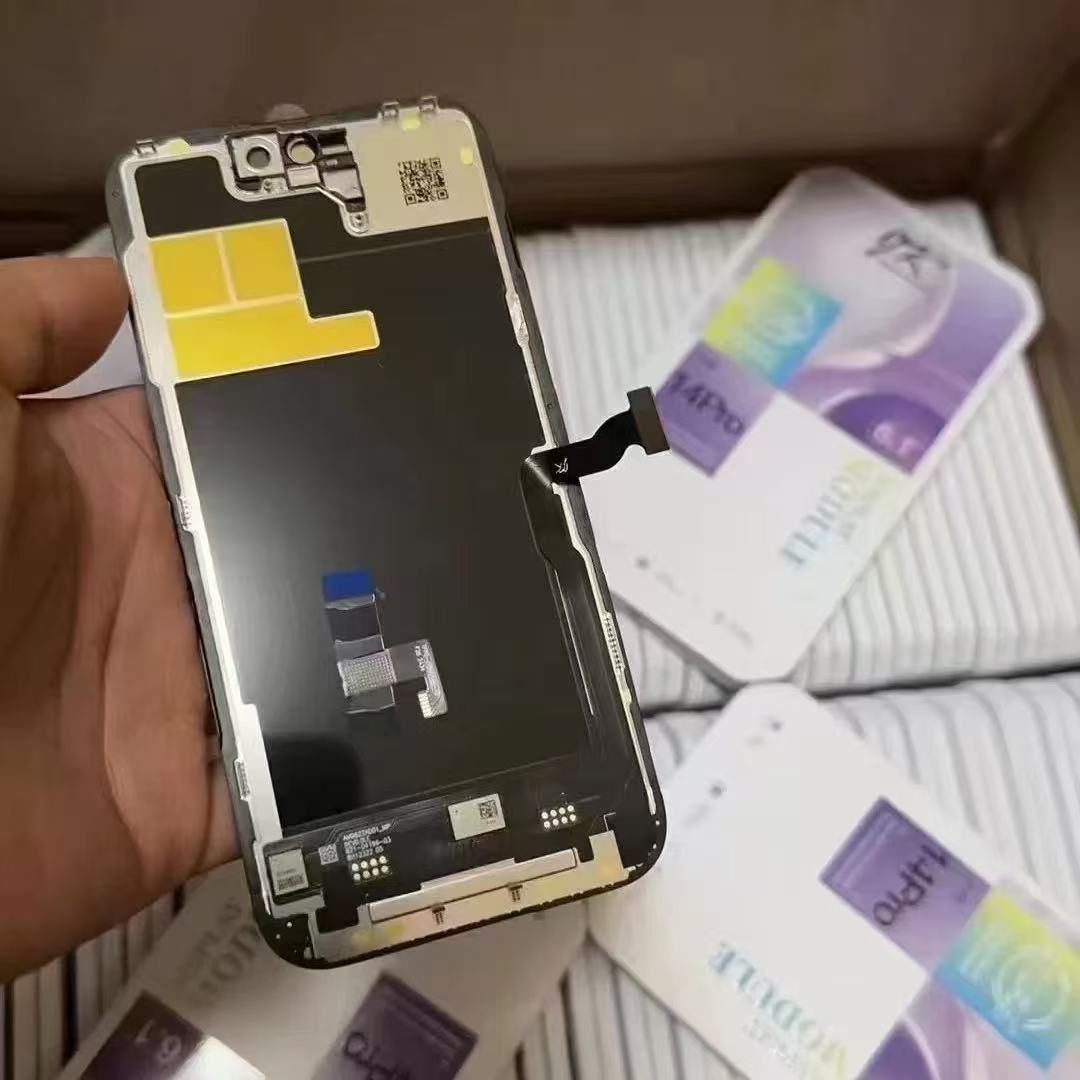
- Substrate check: Flex carries a factory code (JK, GX, ZY, DL, YH) — it identifies the actual production line
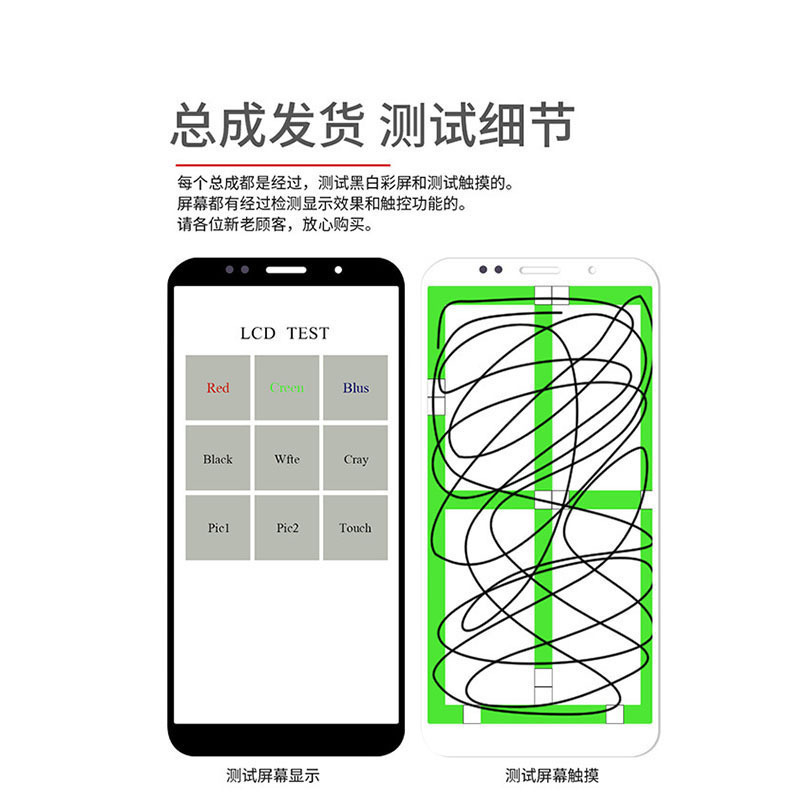
- Bench test: Touch, display, ghost-touch and true-tone are checked before an order is packed
- Common misdiagnosis: Roughly one in three "screen faults" traced to a bench actually turns out to be the flex or a software state
Buyer questions
What do the grades mean?
Grades run from original new through pull, OEM refurb and the incell tiers, and every listing states which one it is.
Is OLED or LCD better for a phone that shipped with OLED?
An OLED phone converted to LCD loses true blacks, brightness and colour depth, and draws more power — quote it as a clearly explained budget option only.
What causes comeback jobs on replacement screens?
Cheap TFT screens, low-grade incell with weak digitizers, budget hard OLED that cracks, and refurb panels with dust under the glass.
Soft OLED or hard OLED?
Soft OLED is flexible and survives drops better; hard OLED is rigid and cheaper but more fragile at the corners.
Related in this range
Need More Options? Contact Our Sales Team
Only part of our full catalog is shown on this site.
Numerous new models & custom OEM solutions are available.
Send us your requirements, our dedicated sales staff will reply to you quickly.